The Biggest AI Buildout in History: Analyzing the Unprecedented Growth of AI Infrastructure and Its Potential Impact on the Future
As we stand on the brink of what many are calling the biggest AI buildout in history, it is essential to understand the implications of this rapid expansion of AI infrastructure. From cutting-edge hardware to advanced algorithms, the landscape of artificial intelligence is evolving at a breakneck pace, promising to reshape industries and redefine the future.
The Current State of AI Infrastructure
The surge in AI investment has been fueled by several factors, including the increasing demand for data processing capabilities, the proliferation of cloud computing, and the advancement of machine learning algorithms. This unprecedented growth can be categorized into three main areas:
- Hardware Development: The demand for powerful GPUs and specialized AI chips, such as Tensor Processing Units (TPUs), has skyrocketed. These hardware advancements enable faster data processing, which is crucial for training complex models.
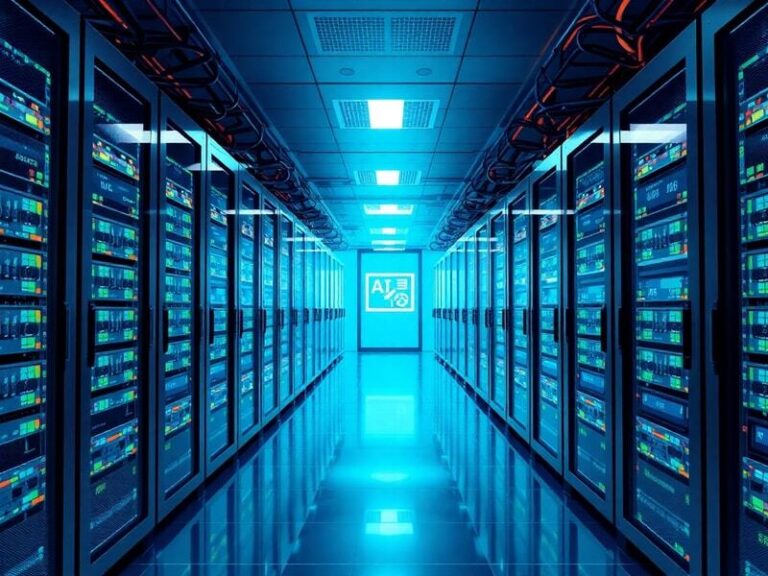
- Data Centers: Major tech companies are investing heavily in building extensive data centers equipped with energy-efficient systems to support AI workloads. This infrastructure is necessary to handle the immense amounts of data that AI systems require.
- Software Frameworks: The rise of open-source AI frameworks like TensorFlow and PyTorch has democratized access to AI development, allowing developers and researchers to build upon existing technologies.
Industry Implications
The ramifications of this AI infrastructure buildout can be felt across various sectors. Here are some notable implications:
- Healthcare: AI is revolutionizing diagnostics and personalized medicine. With improved infrastructure, AI can analyze vast datasets from patient records and clinical trials much more efficiently, leading to better health outcomes.
- Finance: In the financial sector, AI algorithms are being used for risk assessment, fraud detection, and algorithmic trading. Enhanced computational power allows for more intricate modeling and simulation.
- Manufacturing: AI-driven automation is streamlining production processes. Smart factories equipped with AI systems can optimize workflows and reduce downtime, significantly lowering operational costs.
Practical Insights for Businesses
For businesses looking to leverage AI, understanding the infrastructure landscape is crucial. Here are some practical insights:
- Invest in AI Talent: Building a robust AI strategy requires skilled professionals. Companies should prioritize hiring data scientists and machine learning engineers to develop and implement AI solutions.
- Embrace Cloud Solutions: Utilizing cloud-based AI services can reduce the burden of maintaining physical infrastructure. This allows businesses to scale their AI capabilities without large upfront investments.
- Focus on Data Quality: The effectiveness of AI systems is highly dependent on data quality. Organizations must invest in data governance and cleaning processes to ensure accurate and reliable outcomes.
Future Possibilities
As the AI infrastructure continues to evolve, several future possibilities emerge:
- Ethical AI Development: With increased power comes increased responsibility. The industry must prioritize ethical considerations, ensuring that AI systems are fair, transparent, and accountable.
- AI in Everyday Life: As AI systems become more integrated into daily activities, we can expect a seamless interaction between humans and machines, enhancing productivity and personal convenience.
- Global Collaboration: The need for robust AI infrastructure is a global challenge. International collaboration on standards and best practices will be essential to maximize the benefits of AI technology.
Conclusion
The unprecedented growth of AI infrastructure marks a pivotal moment in technological history. As businesses, governments, and individuals recognize the potential of AI, the infrastructure supporting this technology will shape not only the economy but also society as a whole. By understanding the implications and preparing for the future, we can harness the benefits of AI while mitigating the associated risks.