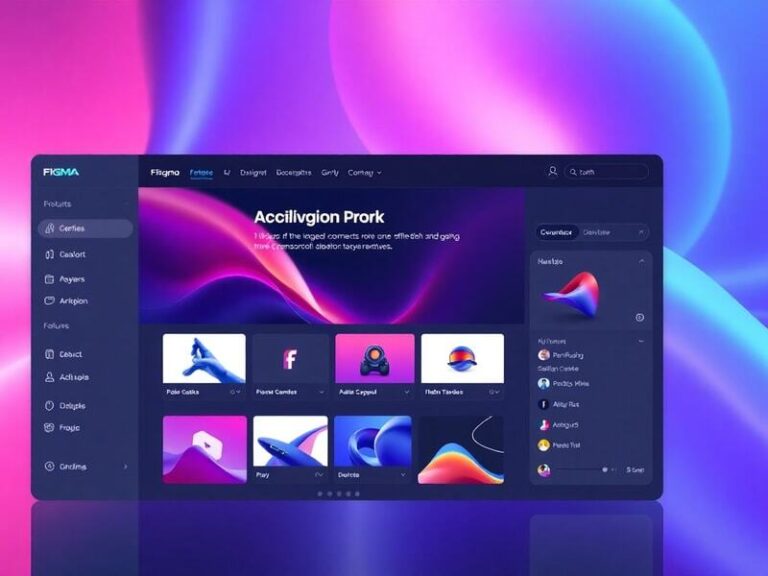
Figma Transforms into a Full AI Creative Suite
In recent years, the world of design has been rapidly evolving, with tools becoming more sophisticated and integrated. Figma, a popular design tool, is at the forefront of this transformation as it embraces artificial intelligence (AI) to enhance its capabilities. This article explores how Figma’s integration of AI is revolutionizing design workflows, providing practical insights, industry implications, and future possibilities.
The Rise of AI in Design
AI has made significant inroads into various industries, and design is no exception. The incorporation of AI into design tools like Figma is not merely a trend; it fundamentally changes how designers work. By automating repetitive tasks and providing intelligent suggestions, AI allows designers to focus on creativity and innovation.
Key AI Features in Figma
Figma’s new AI-powered features are designed to streamline workflows, enhance productivity, and inspire creativity. Some of these features include:
- Smart Layouts: AI algorithms analyze design patterns and automatically adjust components to maintain consistency and alignment, saving time on manual adjustments.
- Image Generation: Leveraging generative design techniques, Figma can create custom graphics and illustrations based on user inputs, providing inspiration and options that might not have been considered otherwise.
- Automated Feedback: AI tools can evaluate designs against best practices, offering suggestions for improvements in usability and accessibility.
- Collaboration Enhancements: AI can facilitate better collaboration among team members by summarizing feedback and tracking changes, ensuring everyone stays aligned.
Practical Insights for Designers
As designers begin to integrate these AI tools into their workflows, several practical insights can help them maximize the benefits:
- Embrace Automation: Allow AI to handle time-consuming tasks, freeing up creative energy for ideation and exploration.
- Iterate Quickly: Use AI-generated suggestions as a starting point for new designs, enabling rapid prototyping and testing.
- Stay Updated: Regularly explore Figma’s new AI features and updates to leverage the latest advancements in design technology.
- Collaborate Effectively: Use AI tools to enhance teamwork, ensuring that feedback loops are shorter and more effective.
Industry Implications
The integration of AI into design tools like Figma has broader implications for the industry. Here are some key considerations:
- Increased Efficiency: As design processes become more efficient, companies can reduce time-to-market for products, leading to competitive advantages.
- New Skill Sets: The demand for designers who can work effectively with AI tools is likely to rise, prompting educational institutions to adapt their curricula.
- Democratization of Design: AI can lower barriers to entry for aspiring designers by providing powerful tools that require less technical expertise.
Future Possibilities
Looking ahead, the future of design with AI is bright and filled with possibilities. Here are a few potential developments we might see:
- Personalized Design Experiences: Future versions of Figma could leverage AI to offer personalized design experiences tailored to individual user preferences and styles.
- Enhanced User Interfaces: AI could lead to the development of more intuitive user interfaces that adapt to user behavior, making design tools even easier to use.
- Integration with Other Technologies: Figma may integrate with other emerging technologies, such as augmented reality (AR) and virtual reality (VR), enabling designers to create immersive experiences.
Conclusion
Figma’s transformation into a full AI creative suite exemplifies how technology is reshaping the design landscape. By harnessing the power of AI, Figma is not only enhancing design workflows but also empowering designers to push the boundaries of creativity. As these tools continue to evolve, the potential for innovation within the design industry is limitless.