The Resume Hack: Navigating AI Screening Challenges
In the rapidly evolving job market, the use of artificial intelligence (AI) in recruitment is becoming more prevalent. Companies are increasingly relying on AI to screen resumes and identify the most suitable candidates. However, as applicants become more aware of these technologies, some are resorting to tactics like hidden text to outsmart AI systems. While this may provide a temporary advantage, it raises ethical questions and may not be a sustainable strategy in the long run.
Understanding AI Screening Systems
AI screening tools utilize algorithms to analyze resumes and identify key qualifications, skills, and experiences. These systems often operate by:
- Keyword Matching: Scanning resumes for specific keywords that align with the job description.
- Pattern Recognition: Using machine learning to identify patterns in successful candidates’ resumes.
- Scoring Systems: Assigning scores based on the relevance of the information presented.
As these technologies advance, the sophistication of AI screening systems continues to improve. However, this also leads to the emergence of tactics aimed at circumventing these tools.
The Tactic of Hidden Text
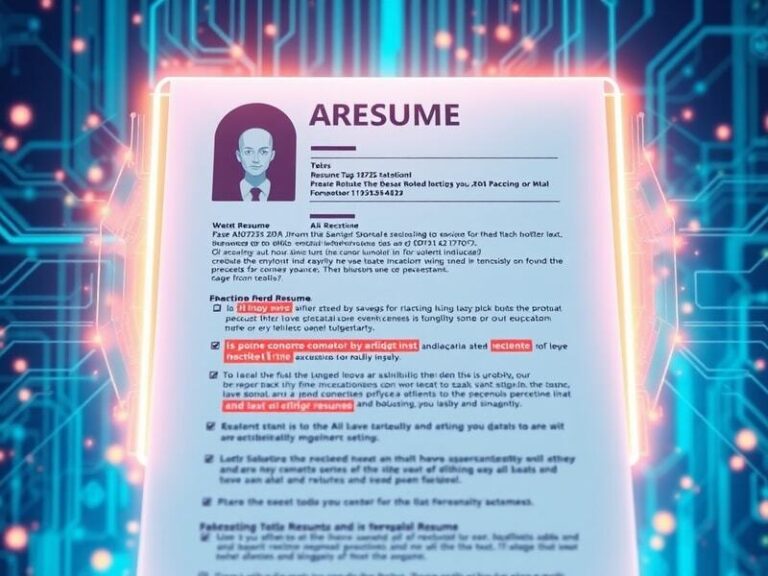
One method job seekers have adopted is the insertion of hidden text within their resumes. This can involve white text on a white background or using font sizes that are too small to detect easily. The goal is to include additional keywords that might boost the chances of passing through AI filters without being visible to human reviewers.
The growing trend of hidden text raises several important considerations:
- Short-Term Gain: Candidates may find success in passing AI screenings and securing interviews.
- Ethical Implications: The use of hidden text can be viewed as deceptive, raising questions about integrity in the hiring process.
- Sustainability Issues: As AI technology evolves, detection algorithms are becoming better at identifying these tactics, making them less effective over time.
Industry Implications
The reliance on AI for resume screening has significant implications for both job seekers and employers:
- For Job Seekers: Candidates may need to adapt their strategies to align with the evolving technology landscape, focusing on genuine qualifications rather than deceptive practices.
- For Employers: Companies must remain vigilant about the ethical ramifications of AI screening and ensure that their systems are fair and transparent.
- For Recruiters: The challenge lies in refining AI tools to minimize bias and ensure they accurately assess candidates’ potential without being misled by hidden tactics.
Future Possibilities
As AI continues to shape the recruitment landscape, several future possibilities emerge:
- Enhanced Transparency: Companies may adopt more transparent AI tools, allowing candidates to understand how their resumes are evaluated.
- Adaptive Algorithms: AI systems could evolve to recognize and counteract deceptive tactics, ensuring that candidates are evaluated based on their true capabilities.
- Emphasis on Soft Skills: As AI focuses heavily on hard skills and qualifications, there may be a shift towards evaluating soft skills, which are harder to manipulate.
In conclusion, while tactics like hidden text may offer short-term advantages in navigating AI screening challenges, they pose ethical dilemmas and sustainability issues. As technology advances, both job seekers and employers must adapt to ensure a fair, transparent, and effective hiring process. The future of recruitment will likely depend on the balance between leveraging AI capabilities and maintaining ethical standards in candidate evaluation.