The End of Amazon’s Mechanical Turk: Reflecting on the Decline of Human-Driven Microtasks in the Age of AI
For over a decade, Amazon’s Mechanical Turk (MTurk) has served as a platform connecting businesses with individuals willing to complete small tasks for monetary compensation. These microtasks, ranging from data entry to content moderation, have provided a unique way for companies to tap into a global workforce. However, as artificial intelligence (AI) continues to advance, the relevance of platforms like MTurk is being called into question.
The Rise of AI and Automation
The last few years have seen an explosion in AI capabilities, particularly in areas such as natural language processing (NLP), image recognition, and machine learning. These technologies are not just improving efficiency but are also beginning to replace tasks that were once thought to require human intelligence. Some key developments include:
- Natural Language Processing: AI models like GPT-4 are capable of understanding and generating human-like text, reducing the need for human content creation.
- Image Recognition: Advanced algorithms can now analyze images and videos with high accuracy, automating tasks like tagging and content moderation.
- Robotic Process Automation (RPA): Software bots can handle repetitive tasks in data processing, further diminishing the demand for human involvement.
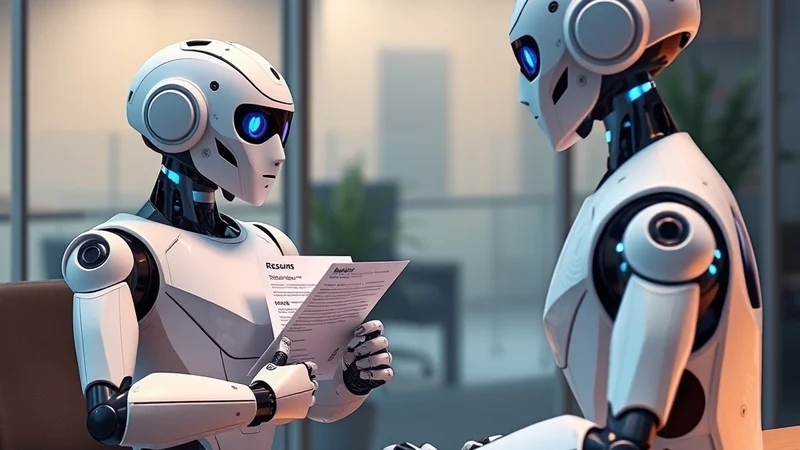
As these technologies evolve, the need for microtask platforms diminishes. Companies can now automate processes that were once reliant on human workers, leading to a decline in the demand for services like MTurk.
The Decline of Human-Driven Microtasks
The transition towards AI-powered solutions is evident in several industries. The implications for platforms like MTurk are significant:
- Reduced Demand for Microtasks: As AI systems become more sophisticated, the tasks that require human judgment are shrinking. Simple tasks that once populated MTurk are increasingly being handled by machines.
- Quality Control: AI can often perform tasks with greater consistency and reliability than humans, leading companies to prefer automated solutions over human-driven microtasking.
- Cost Efficiency: Automation can significantly reduce costs for businesses, making it less appealing to outsource tasks to human workers.
Industry Implications
The decline of MTurk has broader implications for the gig economy and the future of work:
- Job Displacement: As AI continues to replace human tasks, there is a risk of significant job displacement, particularly for low-skilled workers who rely on platforms like MTurk for income.
- Shifts in Skill Requirements: The demand for more specialized skills will increase, as businesses seek workers who can manage and maintain AI systems rather than perform routine tasks.
- New Opportunities: While some jobs may disappear, new roles will emerge focused on AI oversight, ethics, and maintenance, requiring a different skill set.
Future Possibilities
Despite the decline of platforms like MTurk, the future holds potential for innovation in the gig economy. Here are some possibilities:
- AI Augmentation: Instead of outright replacement, AI can augment human capabilities, allowing workers to take on more complex tasks that require critical thinking and creativity.
- New Platforms: As the landscape changes, new platforms may emerge that focus on AI-human collaboration rather than simple task completion, offering more meaningful work.
- Ethical AI Development: As companies become more aware of the ethical implications of AI, there may be a push for transparency and fairness in AI systems, creating new roles for ethicists and compliance officers.
The shift from human-driven microtasks to AI-driven automation is not just a threat but also an opportunity to reshape the future of work. By embracing change and adapting to new technologies, workers and companies alike can find new pathways to success.
Conclusion
The decline of Amazon’s Mechanical Turk reflects a broader trend in the workforce as AI and automation reshape industries. While the immediate implications may seem daunting, they also serve as a catalyst for innovation and new job opportunities. As we navigate this transition, it is essential to focus on ethical considerations and the potential for human-AI collaboration to create a more equitable future.