Humanoid Companion Robots: The New Frontier
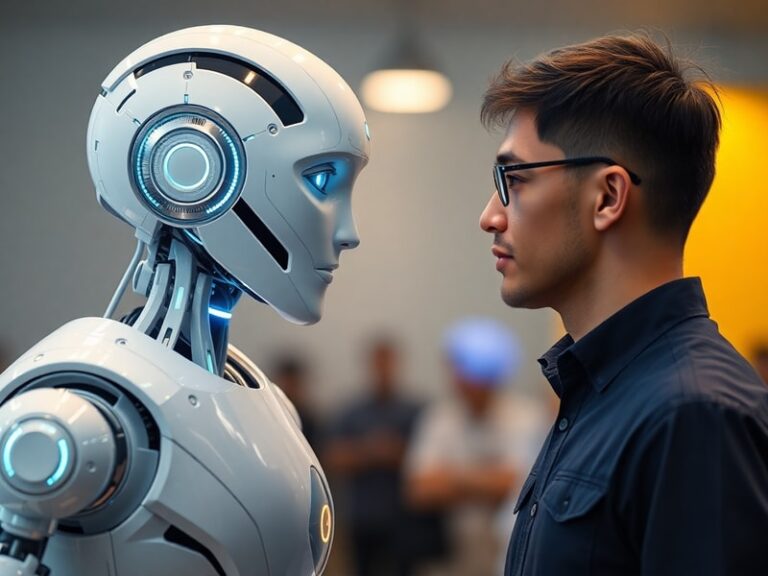
As technology continues to evolve at an unprecedented pace, humanoid companion robots are emerging as a significant frontier in the realm of artificial intelligence and robotics. These lifelike machines are not just designed for functionality; they aim to connect with humans on an emotional level, transforming the way we interact with technology and each other.
Understanding Humanoid Companion Robots
Humanoid companion robots are advanced machines designed to replicate human appearance and behavior. They are equipped with sophisticated artificial intelligence (AI) systems that allow them to understand and respond to human emotions. The primary objective is to create robots that can engage in meaningful interactions, providing companionship and support in various settings.
Key Advancements in Technology
Recent advancements in AI and robotics have paved the way for the development of highly sophisticated humanoid companions. Some of the notable technological innovations include:
- Emotion Recognition: Utilizing computer vision and machine learning algorithms, these robots can recognize human emotions through facial expressions and voice tone.
- Natural Language Processing (NLP): Enhanced NLP capabilities enable robots to understand and engage in human-like conversations, making interactions feel more natural.
- Adaptive Learning: Companion robots can learn from their interactions with users, allowing them to adapt their responses and behaviors over time.
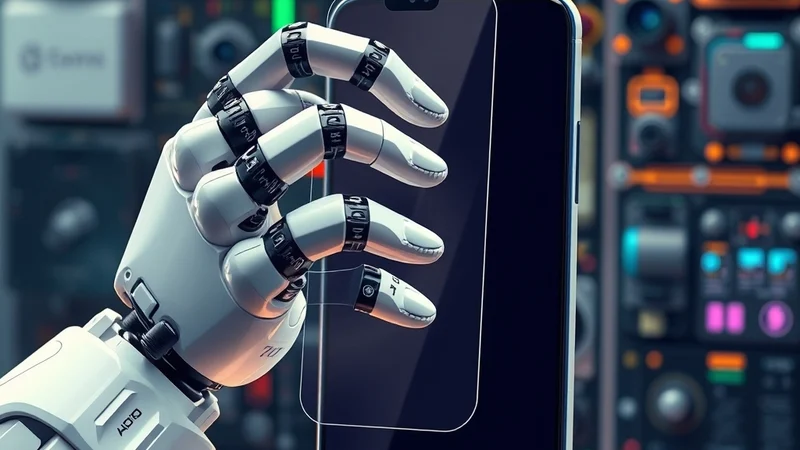
- Physical Realism: Advances in materials and robotics have made it possible to create robots that closely mimic human movement and appearance, enhancing their emotional impact.
Practical Insights and Industry Implications
The rise of humanoid companion robots holds significant implications across various industries, including healthcare, education, and entertainment. Here are some practical insights:
- Healthcare: In healthcare settings, humanoid robots can provide companionship to patients, especially the elderly or those with chronic illnesses. They can also assist medical staff by monitoring patients and providing reminders for medication.
- Education: In educational environments, these robots can serve as personalized tutors, adapting to the learning pace of students and providing support in subjects where they struggle.
- Entertainment: In the entertainment industry, humanoid robots can enhance customer experiences, serving as guides in theme parks or as interactive characters in video games.
These applications illustrate how humanoid companion robots can enhance human experiences, making tasks easier and providing support where needed.
Future Possibilities
Looking ahead, the future of humanoid companion robots is filled with possibilities. Here are some potential developments we can expect:
- Increased Emotional Intelligence: Future robots will likely develop more advanced emotional intelligence, allowing them to understand and respond to complex human emotions more effectively.
- Widespread Adoption: As technology becomes more affordable, we can anticipate wider adoption of humanoid robots in households, schools, and workplaces.
- Integration with IoT: The integration of humanoid robots with the Internet of Things (IoT) could lead to smarter, more connected environments, where robots interact seamlessly with other devices.
- Ethical Considerations: As these robots become more integrated into society, ethical considerations regarding their use, data privacy, and emotional manipulation will become increasingly important.
In conclusion, humanoid companion robots represent a fascinating convergence of AI, robotics, and emotional intelligence. As advancements continue, they have the potential to transform our daily lives, making interactions with technology more human-like and emotionally resonant. While the future is promising, it is crucial to navigate the ethical implications and ensure that these robots enhance human experiences rather than detract from them.