The Impact of AI on Robotic Sensation: Enhancing the Sense of Touch
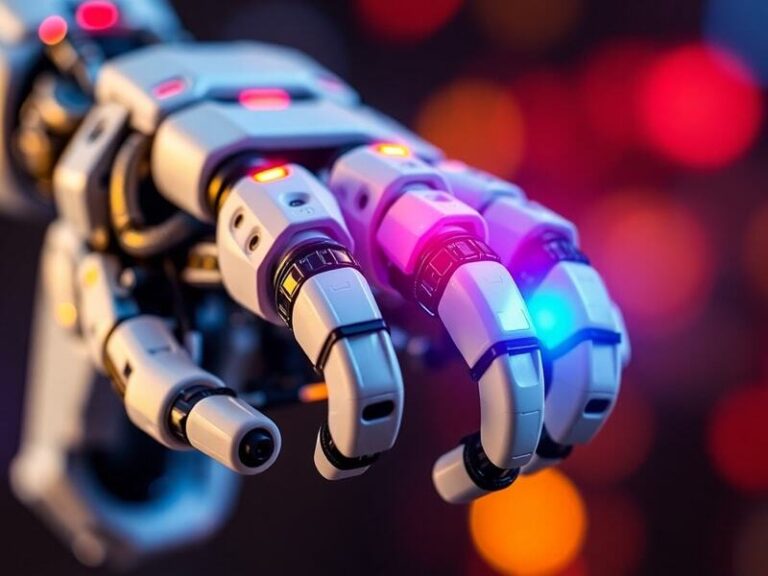
The integration of artificial intelligence (AI) with robotics has led to groundbreaking advancements in various fields. Among the most notable developments is the enhancement of robotic hands, which are increasingly capable of mimicking human-like sensations. This progress not only represents a significant technological leap but also opens up a myriad of possibilities in industries ranging from healthcare to manufacturing.
Understanding Robotic Sensation
Robotic sensation involves the ability of robots to perceive and respond to tactile stimuli from their environment. This capability is crucial for performing delicate tasks that require a refined touch, such as surgical procedures or handling fragile objects. Traditionally, robotic hands have relied on basic sensors that could detect pressure but lacked the sophistication to interpret complex tactile information.
Recent advancements in AI and machine learning have transformed this landscape. By utilizing sophisticated algorithms and sensory feedback systems, robotic hands can now replicate the human sense of touch, enabling them to perform tasks with greater precision and sensitivity.
Advancements in Robotic Hands
Several innovations in AI-driven technologies have contributed to the evolution of robotic hands:
- Soft Robotics: The development of soft robotic materials allows for more flexible movements and better adaptability to the objects being handled.
- Enhanced Tactile Sensors: New tactile sensors can detect a range of stimuli, from light touch to pressure, enabling robots to gauge the texture and temperature of objects.
- Machine Learning Algorithms: AI algorithms can process sensory data in real-time, allowing robots to learn from their interactions and improve their performance over time.
- Multimodal Sensing: Combining touch, vision, and auditory input allows for a more comprehensive understanding of the environment, enhancing the robot’s ability to interact safely and effectively.
Practical Insights
The application of advanced robotic hands is already making significant impacts across various sectors:
- Healthcare: In surgical robotics, enhanced tactile feedback allows surgeons to perform intricate procedures with greater confidence and accuracy.
- Manufacturing: Robots equipped with advanced sensing capabilities can handle delicate components in assembly lines, reducing waste and improving quality control.
- Assistive Technologies: Robotic hands are being designed to aid individuals with disabilities, enabling them to perform daily tasks independently.
These advancements not only improve efficiency but also enhance the overall quality of life for many individuals, demonstrating the profound societal benefits of integrating AI with robotic technologies.
Industry Implications
As robotic hands become more sophisticated, several industry implications arise:
- Job Transformation: While automation may lead to job displacement in certain sectors, it also creates opportunities for new roles focused on robot programming, maintenance, and oversight.
- Innovation Push: Companies investing in AI-driven robotics are likely to see a competitive edge as they can offer enhanced products and services.
- Safety Enhancements: Improved tactile sensing can lead to safer human-robot interactions, particularly in collaborative environments.
Organizations must adapt to these changes by upskilling their workforce and fostering a culture of innovation to fully leverage the potential of AI in robotics.
Future Possibilities
The future of robotic sensation is incredibly promising, with several exciting possibilities on the horizon:
- Teleoperation: Enhanced sensory feedback could revolutionize teleoperated robots, allowing remote operators to feel the environment as if they were physically present.
- Emotional Intelligence: Integrating emotional recognition into robotic systems could allow robots to respond more empathetically, enhancing their ability to interact with humans.
- Personalized Robotics: Future robotic hands could be customized to meet the specific needs of individual users, from professional environments to personal assistance.
The continued intersection of AI and robotic technology will undoubtedly lead to innovations that we can scarcely imagine today, pushing the boundaries of what is possible in human-robot interaction.
In conclusion, the advancements in AI-powered robotic hands are not merely technological feats; they are transformative innovations that are reshaping industries and improving lives. As we continue to explore the potential of these technologies, the future holds great promise for enhanced human-robot collaboration, making the world more efficient, safe, and inclusive.