AI Glasses: The Future of Real-Time Assistance
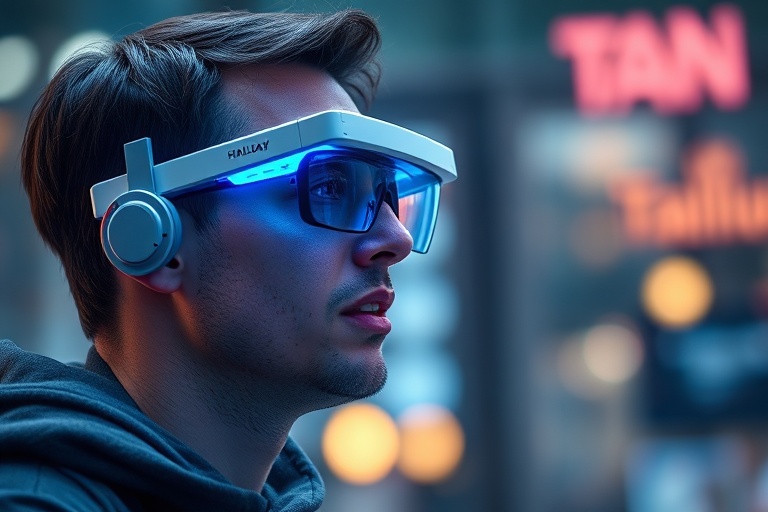
The rapid advancement of artificial intelligence (AI) and wearable technologies has given rise to innovative tools that enhance our daily lives. One of the most exciting developments in this arena is the advent of AI glasses, which promise to revolutionize communication and understanding in real-time. Among the frontrunners in this field is the Halliday G2, a smart eyewear designed to seamlessly integrate AI capabilities into our visual experience.
What are AI Glasses?
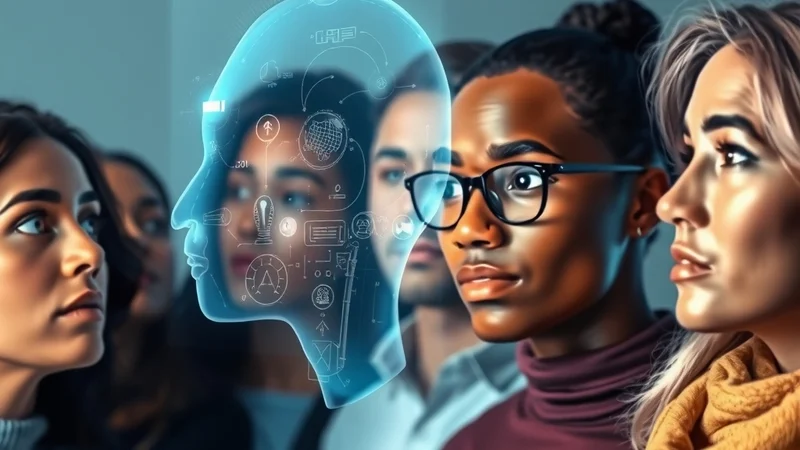
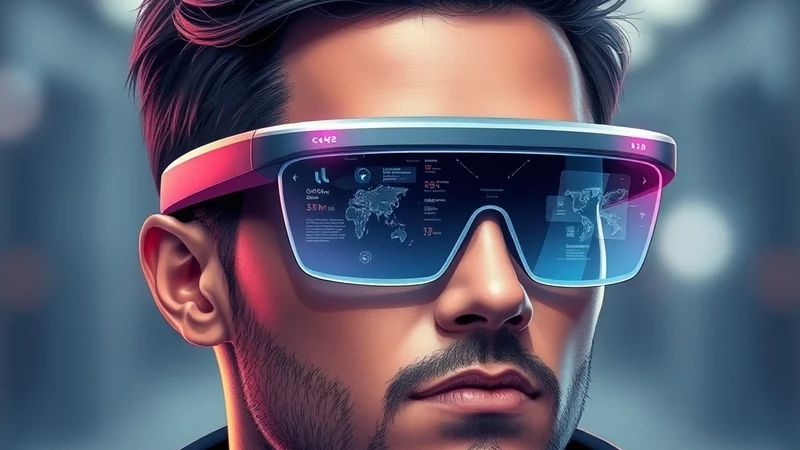
AI glasses are wearables equipped with advanced sensors, cameras, and AI algorithms that assist users by providing contextual information and augmented reality experiences. These devices aim to enhance our perception of the world around us, making everyday activities easier and more efficient.
Introducing Halliday G2
The Halliday G2 stands out in the burgeoning market of AI glasses by offering a range of features that facilitate better communication and understanding. Here are some of its key functionalities:
- Real-Time Translation: The Halliday G2 can translate spoken language instantly, displaying subtitles directly onto the lenses. This feature is particularly beneficial for travelers and business professionals who engage with diverse cultures.
- Facial Recognition: Equipped with facial recognition technology, the glasses can identify people and provide information about them, helping users remember names and details about acquaintances.
- Contextual Assistance: The device can provide contextual information about objects and locations, enhancing the user’s understanding of their environment.
- Voice Commands: Users can interact with the glasses using voice commands, allowing for hands-free operation and a more intuitive experience.
Practical Insights
The Halliday G2 offers practical benefits that extend beyond mere novelty. Here are some insights into how this technology can be applied in various contexts:
- Education: In educational settings, AI glasses can assist students by providing real-time translations of lectures, enabling non-native speakers to grasp concepts more effectively.
- Healthcare: Medical professionals can leverage these glasses to access patient information hands-free during consultations, leading to improved efficiency and better patient outcomes.
- Tourism: Travelers can use the translation feature to communicate with locals, while the contextual assistance can provide historical information about landmarks, enhancing the overall travel experience.
Industry Implications
The introduction of AI glasses like the Halliday G2 presents several implications for various industries:
- Communication and Language Services: The real-time translation feature could disrupt traditional language services, shifting the demand towards technology-driven solutions.
- Healthcare Sector: With enhanced data access, AI glasses could improve efficiency in hospitals and clinics, potentially reducing wait times and increasing the quality of care.
- Retail and E-commerce: Retailers could use this technology to provide personalized shopping experiences, offering customers relevant product information as they browse.
Future Possibilities
As technology continues to evolve, the future of AI glasses looks promising:
- Improved AI Algorithms: As AI algorithms become more sophisticated, the capabilities of glasses like the Halliday G2 will enhance, offering even more contextual understanding and interaction.
- Integration with Other Technologies: Future iterations could integrate with smart home devices, allowing users to control their environments through simple voice commands or gestures.
- Expanded Applications: Beyond communication, AI glasses could find applications in fields such as manufacturing, where they could provide real-time guidance and diagnostics for workers.
In conclusion, AI glasses such as the Halliday G2 represent an exciting frontier in wearable technology, merging artificial intelligence with everyday functionality. As these devices become more advanced and widely adopted, they promise to enhance our communication, understanding, and overall interaction with the world.