ChatGPT’s Health Hub: A New Era of Personal Medical Insights
The integration of artificial intelligence (AI) into healthcare has ushered in groundbreaking advancements, and one of the most promising developments is ChatGPT’s Health Hub. This innovative platform combines health data with AI technology to enhance patient understanding and care, paving the way for a personalized medical experience that was once a distant dream.
Understanding ChatGPT’s Health Hub
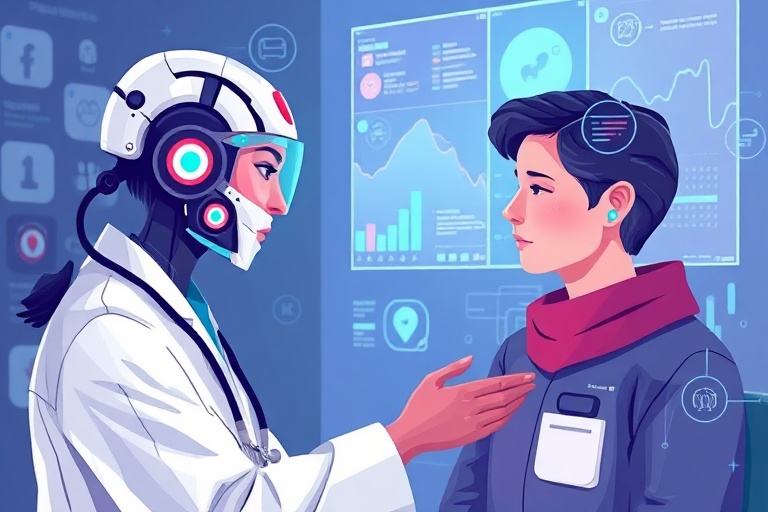
ChatGPT’s Health Hub serves as a virtual assistant that helps users navigate their health data and medical inquiries. By utilizing natural language processing (NLP) capabilities, the platform can interpret complex medical information and present it in an easily digestible format. This empowers patients to take control of their health by providing:
- Personalized Insights: Users receive tailored information based on their unique health profiles.
- Real-Time Responses: The AI can answer health-related questions instantaneously, reducing the need for excessive waiting times.
- Data Integration: The system can pull from various health records, wearables, and apps to give a comprehensive view of a patient’s health.
Practical Insights for Users
For individuals, ChatGPT’s Health Hub represents a significant shift in how they interact with their health. Here are some practical insights into how this technology can benefit users:
- Enhanced Understanding of Medical Conditions: Patients can ask specific questions about their conditions and receive understandable explanations, enabling them to grasp the intricacies of their health.
- Medication Management: The Hub can remind users about dosages and potential interactions, serving as a virtual pharmacist.
- Symptom Checker: Users can input symptoms and receive an analysis of potential causes, guiding them on whether to seek professional help.
Industry Implications
The implications of integrating AI in healthcare, particularly through platforms like ChatGPT’s Health Hub, are extensive. For healthcare providers and institutions, the adoption of such technologies can lead to:
- Improved Patient Engagement: By providing easy access to information, patients become more involved in their care, leading to better compliance and outcomes.
- Efficiency Gains: AI can automate administrative tasks, allowing healthcare professionals to focus more on patient care rather than paperwork.
- Data-Driven Decision Making: With insights drawn from vast datasets, healthcare providers can make informed decisions that enhance treatment protocols.
Challenges and Considerations
Despite the numerous benefits, several challenges persist in the deployment of AI in healthcare:
- Data Privacy: Handling sensitive health data raises concerns about confidentiality and security, necessitating stringent regulations and practices.
- Accuracy of Information: Ensuring that the AI provides reliable, evidence-based information is crucial to prevent misinformation.
- Integration with Existing Systems: The successful implementation of ChatGPT’s Health Hub requires interoperability with existing health records and platforms.
Future Possibilities
Looking ahead, the potential for ChatGPT’s Health Hub and similar AI technologies is immense. Here are some possibilities for the future:
- Expansion of AI Capabilities: As machine learning models evolve, the AI will become increasingly adept at understanding context, nuances, and patient histories.
- Increased Personalization: Future iterations may incorporate genomic data and lifestyle factors to provide even more tailored health insights.
- Collaboration with Healthcare Professionals: Integrating AI tools with the expertise of healthcare providers can lead to hybrid models that enhance diagnosis and treatment.
Conclusion
ChatGPT’s Health Hub exemplifies the intersection of technology and healthcare, creating a new era of personal medical insights. By integrating health data with AI, it enhances patient understanding and care, leading to more informed health decisions. As technology continues to advance, the opportunities for improving healthcare through AI are boundless, promising a future where personalized medicine is the norm rather than the exception.