Death Clock: An AI Tool for Longevity and Life Expectancy
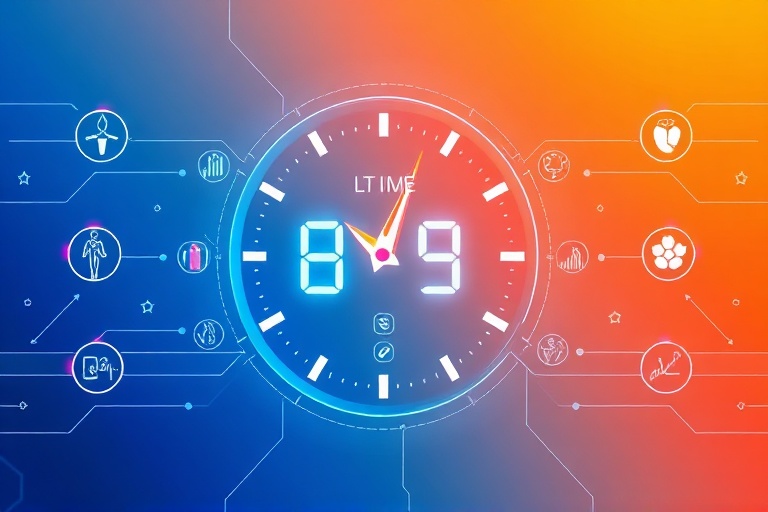
In a world where technology is revolutionizing every aspect of our lives, the convergence of artificial intelligence and health management has given rise to innovative tools designed to enhance our well-being. One such tool is the “Death Clock,” an AI-driven application that estimates life expectancy and provides insights into healthier living choices. This article explores how the Death Clock leverages artificial intelligence to promote longevity, its implications for various industries, and the future possibilities of such technology.
The Concept Behind Death Clock
The idea of a Death Clock may sound morbid at first, but it is primarily a tool for awareness and empowerment. By analyzing a range of personal data, including age, gender, lifestyle choices, family medical history, and even social behaviors, the Death Clock employs machine learning algorithms to provide users with an estimated life expectancy. This estimate can be a powerful motivator for individuals to adopt healthier habits.
How AI Estimates Life Expectancy
The underlying technology of the Death Clock involves complex algorithms that analyze vast datasets derived from medical research, demographic studies, and health records. Here’s how it typically works:
- Data Collection: Users input personal information related to their health and lifestyle.
- Machine Learning Analysis: The AI system analyzes the input data against historical health trends and predictive models.
- Life Expectancy Estimation: The AI provides a personalized estimate of life expectancy based on the analyzed data.
- Feedback and Recommendations: Users receive tailored suggestions for lifestyle changes to improve their longevity.
Practical Insights for Users
The benefits of utilizing a tool like the Death Clock extend beyond a mere estimate of life expectancy. Here are some practical insights for users:
- Informed Decision-Making: By understanding their estimated life expectancy, users can make informed decisions regarding their health, finances, and lifestyle.
- Enhanced Motivation: The knowledge of potential longevity can motivate users to adopt healthier habits such as improved diet and regular exercise.
- Proactive Health Management: Users can become proactive in managing their health, potentially reducing the risk of chronic illnesses.
Industry Implications
The introduction of AI tools like the Death Clock has significant implications for various sectors:
- Healthcare: Healthcare providers can integrate AI tools into their practices to offer personalized health assessments and preventive care recommendations.
- Insurance: Insurance companies may utilize life expectancy estimates to tailor policies and premiums based on individual risk factors.
- Wellness Industry: The wellness industry can leverage insights from AI tools to develop targeted programs that promote longevity and healthier living.
Future Possibilities
As technology continues to advance, the future of AI-driven tools for longevity looks promising. Here are some possibilities:
- Integration with Wearable Technology: Future iterations of the Death Clock could integrate with wearable devices, allowing for real-time health monitoring and data collection.
- Personalized Health Plans: AI could generate customized health plans based on ongoing analysis of an individual’s health metrics.
- Community Health Insights: Aggregated data could provide insights at the community level, helping public health officials implement targeted interventions.
Moreover, as AI technology evolves, ethical considerations regarding privacy and data security will need to be addressed. Users must be assured that their personal health data is protected and used responsibly.
Conclusion
The Death Clock represents a fascinating intersection of artificial intelligence and health management. By providing individuals with insights into their life expectancy, it encourages healthier living choices and proactive health management. As technology continues to advance, the potential for AI tools to enhance our understanding of longevity and well-being is immense. The future holds exciting possibilities that could change how we approach our health and lifespan.