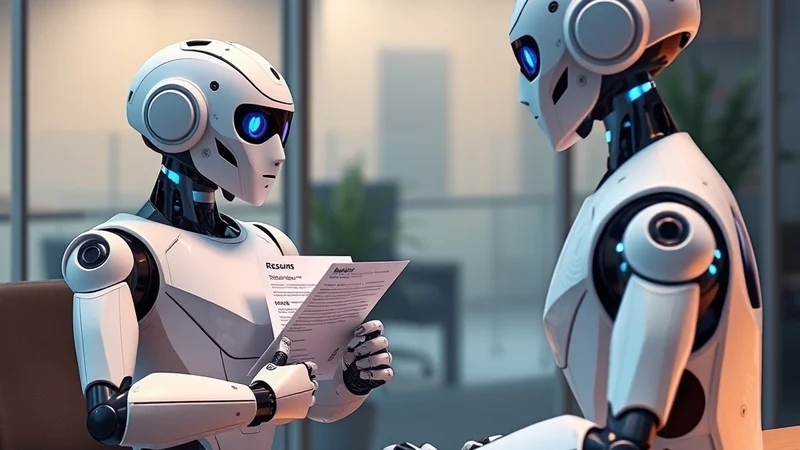
AI’s Role in Workplace Efficiency: A Forrester Study
The modern workplace is experiencing a seismic shift as artificial intelligence (AI) increasingly integrates into daily operations. A recent study by Forrester delves into how AI enhances workplace efficiency, particularly through collaboration tools like Slack. This article explores the findings of the study, shedding light on the return on investment (ROI) for organizations implementing AI-driven solutions to boost productivity.
The Integration of AI in Collaboration Tools
Collaboration tools have become the backbone of remote and hybrid work environments. Tools like Slack, Microsoft Teams, and others facilitate communication, project management, and information sharing. However, the introduction of AI capabilities into these platforms has transformed them from mere communication tools into sophisticated digital assistants.
According to the Forrester study, organizations that leverage AI in collaboration tools can expect significant improvements in productivity. The report highlights several key areas where AI plays a pivotal role:
- Automation of Routine Tasks: AI can automate repetitive tasks such as scheduling meetings, responding to common inquiries, and organizing files. This frees up employees to focus on more strategic initiatives.
- Enhanced Data Insights: AI tools can analyze conversations and project data to provide actionable insights, helping teams make informed decisions quickly.
- Personalized User Experiences: AI can tailor notifications and suggestions based on user behavior, leading to more efficient workflows.
Quantifying the ROI of AI Integration
The Forrester study emphasizes that calculating the ROI of AI integration is essential for organizations considering this shift. The report outlines several metrics that organizations can use to measure the impact of AI on productivity:
- Time Savings: By automating mundane tasks, employees can redirect their time towards high-value activities. For instance, reducing meeting times by 20% can lead to substantial time savings across the organization.
- Increased Output: AI tools can enhance the volume and quality of work produced by teams. This is particularly evident in creative tasks where AI can assist in generating ideas and reviewing content.
- Employee Satisfaction: Tools that alleviate workload stress and improve communication can lead to higher employee morale and retention rates.
Practical Insights from the Study
Organizations that have successfully integrated AI into collaboration tools report several tangible benefits:
- Improved Communication: AI can analyze communication patterns to suggest optimal channels and formats for discussions, resulting in clearer and more effective exchanges.
- Streamlined Project Management: AI tools can predict project timelines and identify potential bottlenecks, enabling teams to proactively address issues before they escalate.
- Enhanced Collaboration: AI can facilitate better teamwork by connecting employees with complementary skills, ensuring that the right people are working together on projects.
Industry Implications
The integration of AI into collaboration tools does not only benefit individual organizations; it has broader implications for various industries:
- Increased Competitiveness: As more companies adopt AI-driven collaboration, those that fail to do so risk falling behind in terms of efficiency and innovation.
- Shift in Skills Demand: The rise of AI in the workplace necessitates new skill sets. Employees will need training in AI literacy and data analysis to leverage these tools effectively.
- Ethical Considerations: As organizations rely more on AI, ethical considerations regarding data privacy and algorithmic bias must be addressed to maintain trust and integrity.
Future Possibilities
The future of AI in workplace collaboration is exciting and filled with potential. As technology evolves, we can anticipate:
- Advanced Natural Language Processing: Future AI systems may understand context better, allowing for more intuitive interactions between humans and machines.
- Greater Integration with Other Technologies: AI will likely integrate seamlessly with other emerging technologies, such as virtual reality and augmented reality, enhancing collaboration in immersive environments.
- Proactive Problem Solving: AI could evolve to not only assist but also predict and resolve issues before they arise, transforming the role of team members into more strategic positions.
In conclusion, the Forrester study illustrates that integrating AI into collaboration tools like Slack is not merely a trend but a strategic move that can significantly enhance workplace efficiency. By automating routine tasks, providing actionable insights, and personalizing user experiences, AI has the potential to transform how teams operate, ultimately leading to improved productivity and satisfaction. As organizations continue to explore this technology, the ROI will become increasingly evident, highlighting the importance of embracing AI-driven solutions in the modern workplace.