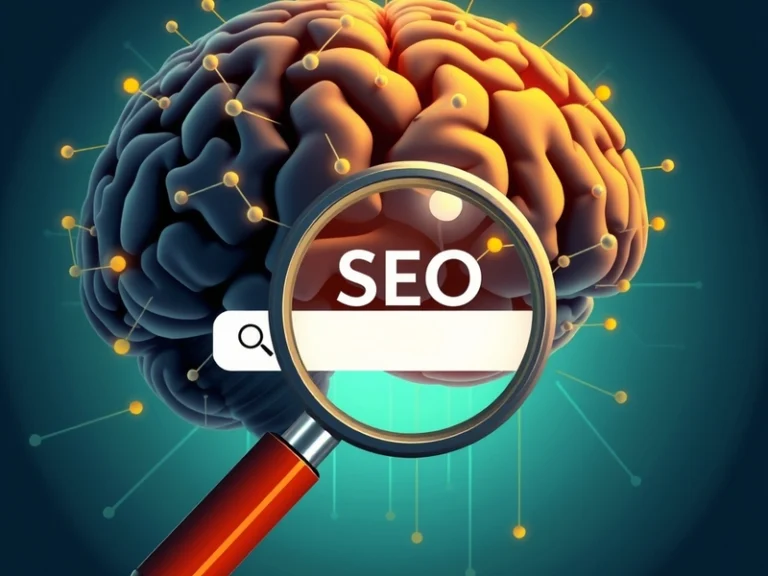
The integration of artificial intelligence into search engine optimization (SEO) strategies is accelerating, providing marketers and webmasters with advanced capabilities to analyze data, generate content, and predict trends with unprecedented efficiency. As search engines themselves increasingly rely on AI and machine learning to understand user intent and rank content, SEO professionals are leveraging AI tools to stay competitive and uncover opportunities previously unattainable through manual methods. Here are seven innovative ways AI is being applied to enhance SEO efforts:
1. Advanced Content Generation and Optimization
AI models, such as large language models like OpenAI’s GPT series or Anthropic’s Claude, are transforming content creation. These tools can assist in drafting blog posts, articles, product descriptions, meta descriptions, and headlines, significantly speeding up the content pipeline. Beyond raw generation, AI can optimize existing content by analyzing its readability, identifying semantic gaps, suggesting keyword variations, and ensuring topical depth to align with search engine understanding. Tools like Jasper and Copy.ai provide AI-powered writing assistants, while platforms such as Surfer SEO integrate AI to score content against top-ranking pages for specific keywords, recommending improvements for on-page optimization.
2. Intelligent Keyword Research and Topic Clustering
Traditional keyword research often focuses on individual keywords and their search volumes. AI elevates this by understanding semantic relationships and user intent behind queries. AI-powered tools can analyze vast datasets to identify long-tail keyword opportunities, group related keywords into comprehensive topic clusters, and map out content strategies that cover entire subjects rather than isolated terms. This approach helps websites establish authority on broader topics, which is increasingly favored by algorithms like Google’s BERT and MUM updates. Platforms like SEMrush and Ahrefs have incorporated AI-driven features to help users uncover semantically related keywords and organize them into logical content hubs.
3. Proactive Technical SEO Audits and Problem Solving
Technical SEO involves optimizing website infrastructure for crawling and indexing. AI can process extensive website data, including crawl logs, analytics, and server responses, to identify and prioritize technical issues that human auditors might miss or take significantly longer to uncover. This includes detecting broken links, identifying crawl budget inefficiencies, pinpointing site speed bottlenecks, and flagging indexability issues. AI can not only diagnose problems but also suggest specific, actionable recommendations for remediation, streamlining the optimization process. Specialized platforms like Lumar (formerly DeepCrawl) utilize machine learning to provide deeper insights into site health and technical performance.
4. Personalized User Experience and SERP Feature Optimization
Search engines personalize results based on user behavior and context. AI helps SEOs understand these personalization factors and optimize for them. By analyzing user interaction data, AI can inform strategies for internal linking, content recommendations, and even website design to enhance user engagement signals like time on page and bounce rate. Furthermore, AI can analyze SERPs to identify patterns and opportunities for rich snippets, featured snippets, and other schema markup, helping content stand out and capture more valuable organic real estate. Many content management systems and SEO plugins now integrate AI to suggest relevant schema markups.
5. Predictive Analytics and Trend Forecasting
The ability to anticipate future trends and algorithm shifts is a significant advantage in SEO. AI can analyze historical search data, seasonal patterns, industry trends, and even public sentiment from social media to forecast future keyword demand, predict content performance, and identify emerging topics. This allows SEO professionals to be proactive rather than reactive, adjusting their content calendars and optimization strategies ahead of time to capitalize on nascent opportunities. While specific tools vary, many advanced analytics platforms are integrating machine learning models for predictive insights into search demand.
6. Enhanced Competitor Analysis and Gap Identification
Understanding the competitive landscape is crucial. AI can rapidly process and analyze competitor websites, backlink profiles, content strategies, and keyword rankings at a scale impossible for human analysts. It can identify patterns in successful competitor content, pinpoint their top-performing keywords, and uncover gaps in one’s own strategy. For instance, AI can detect content areas where competitors are ranking but a client is not, or identify common themes across top-ranking sites that could inform a new content initiative. SEO suites like SEMrush, Ahrefs, and Moz all leverage AI and machine learning to offer sophisticated competitive intelligence features.
7. Automated Link Prospecting and Outreach Personalization
While fully automated link building remains a contentious and often risky practice, AI significantly aids in the initial stages of identifying high-quality link prospects. AI algorithms can analyze vast numbers of websites to identify those with strong domain authority and topical relevance, matching them to a client’s content. Beyond prospecting, AI can assist in personalizing outreach efforts by analyzing recipient profiles and suggesting tailored email subject lines and body content, thereby increasing response rates for guest posting, resource page inclusion, or broken link building campaigns. Tools like Hunter.io for email discovery and various outreach platforms are beginning to integrate AI for enhanced personalization.