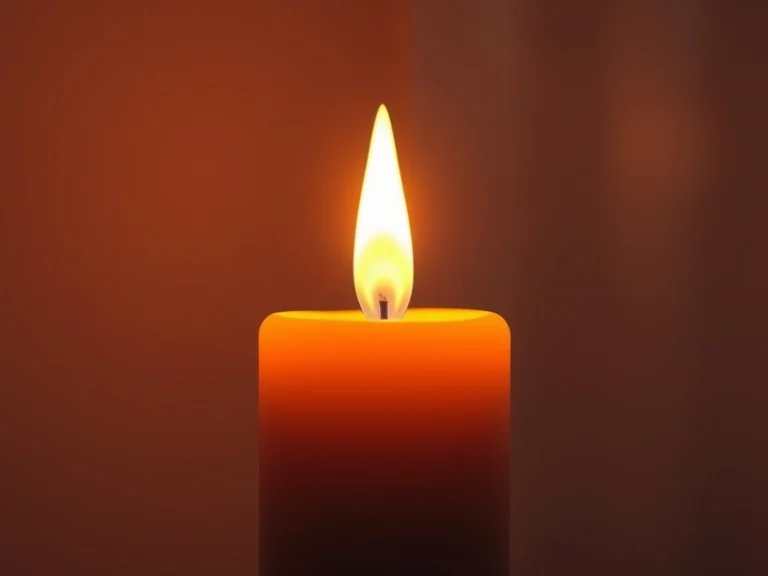
The quest for hyper-realistic flame simulation without actual fire is seeing significant advancements, with artificial intelligence now playing a pivotal role in mimicking the intricate, dynamic dance of candlelight using LED technology.
For decades, manufacturers have sought to replicate the warm, flickering glow of an open flame using artificial means. Early attempts often relied on simple, repetitive light patterns or mechanical flickers, resulting in an effect that was visibly artificial and lacked the organic unpredictability of real fire. The core challenge lies in the inherent complexity and non-repeating nature of a flame: its color, intensity, and shape constantly fluctuate in response to subtle environmental factors like air currents and fuel consumption. This makes traditional pre-programmed sequences quickly appear stale and unnatural.
AI’s Approach to Flame Dynamics
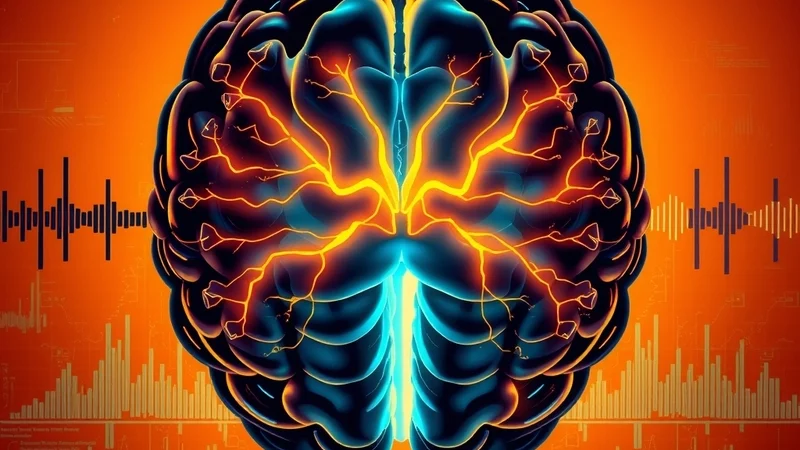
Modern approaches leverage machine learning to overcome these limitations. Instead of being explicitly programmed with a set of rules, AI models are trained on vast datasets of real flame footage. This training data captures the nuanced variations in brightness, color temperature, and movement that define an authentic flame. The process typically involves several key stages:
- Data Acquisition and Analysis: High-resolution video and photographic data of various types of flames (e.g., candle flames, campfire embers) are collected. AI algorithms then analyze this data to identify core characteristics and patterns. This includes understanding the subtle shifts in hue from the cooler blue at the base to the warmer yellows and oranges at the tip, the erratic yet fluid movement, and the unpredictable flicker rates.
- Feature Extraction: Machine learning models extract relevant features from the analyzed data. These features might include temporal changes in pixel intensity, spatial distribution of colors, and the velocity vectors of light variations. The goal is to distill the essence of “flame-ness” into a set of parameters that the AI can then manipulate.
- Generative Modeling: Once the AI has learned the underlying dynamics, it uses generative models to create new, unique flame patterns. While specific implementations can vary greatly, techniques akin to generative adversarial networks (GANs) or recurrent neural networks (RNNs) are well-suited for this task. GANs, for instance, involve two neural networks—a generator that creates new patterns and a discriminator that tries to distinguish between real flame data and the generated output. Through this adversarial process, the generator learns to produce increasingly convincing simulations. RNNs, on the other hand, are effective at processing and generating sequential data, making them apt for producing the continuous, evolving flicker of a flame.
- Real-time Output Control: The generated patterns are then translated into control signals for LED arrays. This involves dynamically adjusting the brightness, color, and often the individual activation of multiple LEDs within a device to simulate the flame’s movement and intensity across a physical space.
The LED Hardware Foundation
The AI’s sophisticated output relies on equally capable LED hardware. Modern digital candles typically incorporate several components to translate the AI’s instructions into a visual effect:
- RGB LEDs: Instead of simple single-color LEDs, devices often use RGB (Red, Green, Blue) LEDs, or even RGBW (White) LEDs, which allow for a vast spectrum of color mixing. This enables the device to accurately reproduce the subtle color gradients seen in a real flame, from the deep reds of embers to the bright yellows and faint blues.
- Microcontrollers: Integrated microcontrollers act as the bridge between the AI’s generated patterns and the physical LEDs. These small, specialized computers receive the dynamic control signals from the AI model (which might run on a separate, more powerful chip or be pre-computed and stored) and then rapidly adjust the power supplied to each individual LED or LED cluster.
- Diffusion and Optics: To soften the direct light from the LEDs and create a more natural glow, various diffusion layers and optical elements are employed. These can include frosted plastic casings, textured surfaces, or even internal lenses designed to scatter light in a flame-like manner, mimicking the way light emanates from a real wick.
Key Advantages of AI-Driven Digital Flames
The integration of AI in flame simulation offers a compelling array of benefits beyond mere aesthetic appeal:
- Unparalleled Realism: By learning from actual flames, AI-powered simulations produce patterns that are genuinely non-repetitive and organically dynamic, making them virtually indistinguishable from real flames to the casual observer.
- Enhanced Safety: Without an open flame, there is no risk of fire, burns, or smoke. This makes digital candles ideal for homes with children or pets, public venues, or situations where fire hazards are a concern.
- Zero Maintenance: Digital flames eliminate the need for wax cleanup, wick trimming, or fuel replenishment. They are clean, durable, and operate for extended periods with minimal intervention.
- Versatility and Control: Many AI-driven devices allow users to customize aspects like flicker intensity, color temperature, or even simulate different types of flames (e.g., a calm candle vs. a flickering torch) through accompanying apps or controls.
- Energy Efficiency: LEDs are highly energy-efficient, consuming significantly less power than traditional lighting, contributing to longer battery life in portable devices and reduced energy consumption for mains-powered units.
From creating ambient lighting in smart homes to providing safe, realistic visual effects in theatrical productions and events, AI-driven digital flame technology is transforming how we experience the timeless allure of fire. The continuous evolution of machine learning algorithms, coupled with advancements in LED technology, promises even more immersive and believable simulations in the years to come.