A new AI system, dubbed RetiME, is demonstrating the capability to analyze retinal images to assess health risks and predict aging trajectories with greater accuracy than traditional methods.
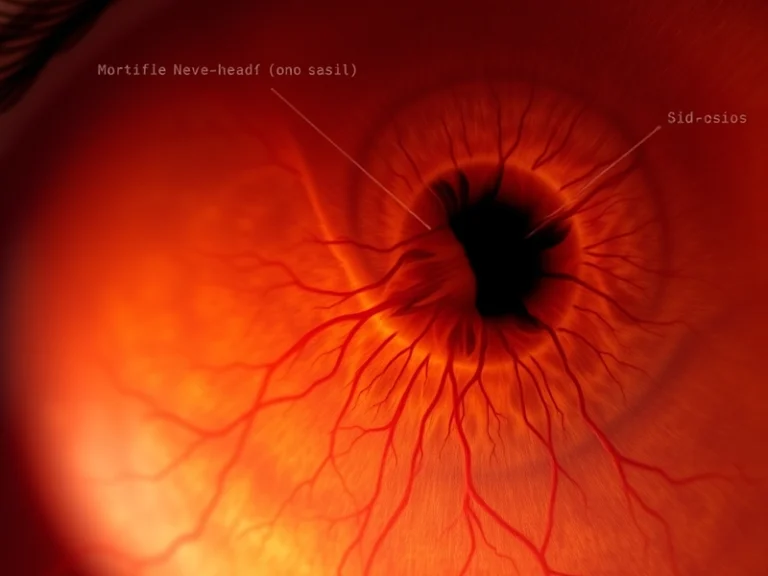
The retina, often referred to as a “window to the body,” provides a unique non-invasive view of the microvasculature and neural tissue, reflecting the health of systemic organs. Changes in retinal blood vessels and nerve fibers are known biomarkers for a wide array of conditions, including cardiovascular diseases, stroke, diabetes, kidney disease, and neurodegenerative disorders like Alzheimer’s. Traditionally, human ophthalmologists and optometrists interpret these images, a process that is often time-consuming, requires specialized expertise, and can be subject to inter-observer variability.
RetiME aims to leverage advanced artificial intelligence to automate and enhance this diagnostic process. By processing high-resolution digital retinal photographs, the AI is designed to identify subtle patterns and biomarkers that may be imperceptible or easily overlooked by the human eye. This could allow for earlier detection of age-related health issues and a more precise understanding of an individual’s biological aging process, distinct from chronological age.
The AI’s Approach to Retinal Analysis
The core of RetiME’s functionality likely lies in deep learning architectures, particularly convolutional neural networks (CNNs), which excel at image recognition and pattern detection. These networks are trained on vast datasets comprising retinal images paired with extensive patient health records, including diagnoses, lab results, and long-term health outcomes. Through this training, the AI learns to correlate specific visual features within the retina with various health risks and the pace of biological aging.
The system’s ability to “predict aging trajectories” suggests it goes beyond simple disease detection. Instead, it may quantify markers associated with cellular senescence, oxidative stress, or other biological aging mechanisms observable in retinal tissue. This could potentially offer a personalized risk assessment, indicating an individual’s propensity for developing certain age-related conditions years or even decades in advance.
Key aspects of such an AI system often include:
- Feature Extraction: Identifying intricate details such as vessel tortuosity, caliber changes, microaneurysms, hemorrhages, exudates, and optic nerve head morphology.
- Pattern Recognition: Learning complex relationships between these features and systemic health markers or future disease onset.
- Biomarker Quantification: Translating visual patterns into quantifiable metrics that reflect biological age or disease risk scores.
- Predictive Modeling: Utilizing these metrics to forecast the likelihood of developing specific conditions over time.
Implications for Healthcare and Preventive Medicine
The potential applications of an AI like RetiME are significant, particularly in the realm of preventive medicine and population health screening. Its ability to provide accurate, rapid, and non-invasive health assessments from a common imaging modality could transform how age-related risks are managed.
Potential Benefits Include:
- Early Intervention: Identifying individuals at high risk for conditions like cardiovascular disease or dementia far earlier than traditional symptomatic diagnosis, allowing for lifestyle modifications or medical interventions to delay or prevent onset.
- Personalized Health Management: Offering a more granular understanding of an individual’s biological aging, enabling tailored health strategies.
- Enhanced Accessibility: Retinal imaging is relatively inexpensive and widely available, from optometrists’ offices to specialized clinics. An AI-driven analysis tool could extend advanced diagnostic capabilities to underserved populations or remote areas where specialist human expertise is scarce.
- Research Acceleration: Providing researchers with a powerful tool to study the mechanisms of aging and disease progression, potentially leading to new therapeutic targets.
While the prospect of such technology is exciting, its integration into clinical practice will require rigorous validation through large-scale prospective clinical trials. Ensuring the AI’s predictions are robust, generalizable across diverse populations, and ethically sound will be paramount. Questions around data privacy, algorithmic bias, and regulatory approval for medical diagnostics are also critical considerations as these systems move from research settings to real-world applications.
The development of RetiME underscores a growing trend in AI-powered diagnostics: leveraging readily available medical images to extract deeper, more comprehensive insights into human health. As AI models continue to mature and datasets expand, their capacity to augment human medical expertise and improve patient outcomes will likely grow exponentially.