Innovative AI tools are rapidly transforming how businesses and individuals approach everyday tasks, offering unprecedented efficiency in areas like outreach, product presentation, and creative development.
The proliferation of sophisticated artificial intelligence models, particularly large language models (LLMs) and generative AI, has led to a new generation of applications designed to augment human capabilities. These tools are moving beyond simple automation, providing intelligent assistance that can personalize communications, generate compelling content, and even synthesize new media from basic prompts.
Streamlining Outreach and Communication
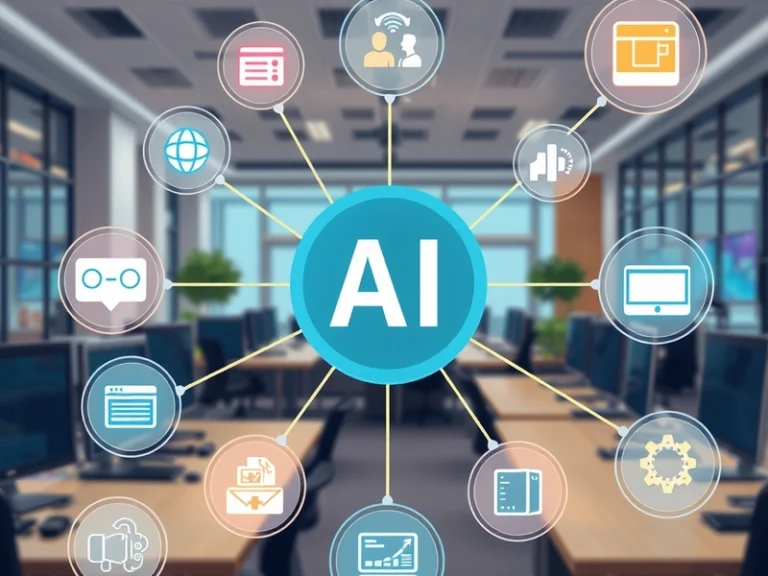
In the realm of sales, marketing, and customer service, AI-powered solutions are fundamentally changing how organizations connect with their audiences. From drafting personalized emails to managing complex customer interactions, AI is enabling more efficient and effective outreach at scale.
- Personalized Content Generation: AI models can analyze recipient data and generate highly personalized emails, marketing copy, and social media posts, improving engagement rates compared to generic messaging. This extends to crafting follow-up sequences and tailoring messages based on past interactions.
- CRM Integration and Lead Scoring: Many AI tools integrate directly with customer relationship management (CRM) systems to analyze lead data, predict conversion likelihood, and prioritize outreach efforts. This helps sales teams focus on the most promising prospects.
- Intelligent Chatbots and Virtual Assistants: AI-driven chatbots deployed on websites and messaging platforms provide instant support, answer common questions, and guide users through processes, freeing up human agents for more complex inquiries. Some advanced virtual assistants can even handle scheduling and meeting coordination.
- Meeting Summarization and Action Item Extraction: Tools that transcribe and summarize virtual meetings are becoming commonplace, automatically identifying key discussion points, decisions made, and action items, which can then be distributed to participants.
These capabilities allow businesses to maintain a high touch with a large volume of contacts, ensuring that communication is both relevant and timely, a critical factor in today’s competitive landscape.
Enhancing Product Presentation
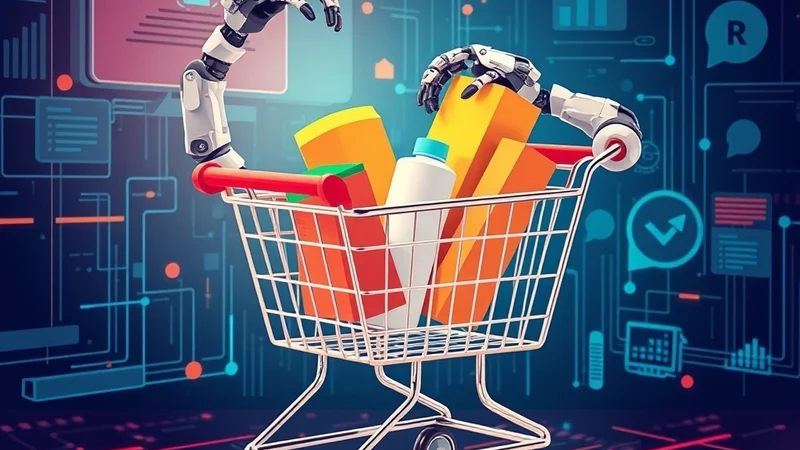
Presenting products effectively is crucial for market success, and AI is providing powerful new avenues for creating engaging and informative materials. From generating initial concepts to crafting final marketing assets, AI tools are accelerating and enriching the presentation process.
- Automated Product Description Generation: Given basic product specifications, AI can generate detailed, persuasive product descriptions, feature lists, and benefit statements, often optimized for search engines and specific target audiences. This significantly reduces the time and effort required for content creation.
- Synthetic Media for Visuals: Generative AI can create realistic product images, lifestyle shots, and even short video clips from text prompts or existing assets. This is particularly valuable for e-commerce, allowing companies to visualize products in various settings without the need for expensive photoshoots or complex 3D rendering.
- Interactive Demos and Explanations: AI-powered virtual assistants can be embedded into product pages or interactive demos to answer user questions in real-time, explain features, and guide potential customers through the product’s functionalities, offering a more dynamic and personalized experience.
- Market Analysis and Targeting: AI tools can process vast amounts of market data to identify trends, audience preferences, and optimal positioning strategies, informing how products are presented and to whom, ensuring that marketing efforts are precisely targeted.
The ability to rapidly iterate on presentation materials and tailor them to specific segments represents a significant advantage, allowing companies to bring products to market faster with more refined messaging.
Accelerating Creative Processes
The creative industries are experiencing a profound shift as AI tools become increasingly sophisticated at generating original content across various mediums. These tools act as powerful co-creators, expanding the possibilities for artists, writers, designers, and developers.
- Textual Content Creation: Beyond marketing copy, AI writers can draft articles, blog posts, scripts, and even entire narratives. Users can provide a prompt or outline, and the AI generates coherent, contextually relevant text, which human editors can then refine and polish.
- Image and Visual Asset Generation: Generative AI models can create unique images, illustrations, logos, and concept art from textual descriptions. This capability is being used for everything from brainstorming visual ideas to producing final assets for marketing campaigns, game development, and architectural visualization.
- Video Editing and Synthesis: AI is assisting with tasks like automatically identifying key moments in video footage, generating subtitles, and even synthesizing new video content or manipulating existing footage to create specific effects or scenarios.
- Music Composition and Sound Design: AI tools can generate original musical pieces in various styles, create sound effects, and even assist in mixing and mastering audio tracks, opening up new avenues for musicians and content creators.
- Code Generation and Development Assistance: For software developers, AI assistants can generate code snippets, complete functions, identify bugs, and even explain complex code, significantly accelerating development cycles and improving code quality.
These creative AI tools are not just about automation; they are about augmentation, providing new avenues for inspiration and efficiency that empower creators to explore ideas more rapidly and bring their visions to life with fewer technical hurdles.
The integration of AI into these diverse daily tasks signifies a broader trend towards intelligent augmentation. As these tools continue to evolve, they are poised to further redefine professional workflows, enabling individuals and organizations to achieve more with greater precision and creativity.