Accelerating Learning: How AI Can Help Us Learn Faster
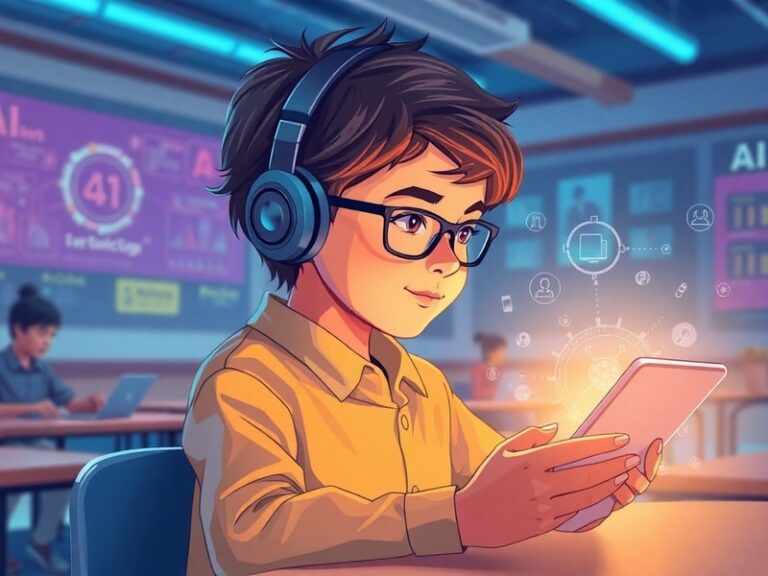
In the rapidly evolving landscape of technology, artificial intelligence (AI) is emerging as a transformative force in education. By leveraging AI-driven tools and techniques, we can enhance the learning process, making it more personalized, efficient, and engaging. This article explores how AI can accelerate learning, offering practical insights, industry implications, and future possibilities.
Understanding AI in Education
AI in education refers to the integration of intelligent algorithms and technologies to facilitate and improve the learning experience. It encompasses a wide range of applications, including adaptive learning platforms, chatbots, and data analytics. These innovations are designed to address individual learning needs and streamline educational processes.
Techniques and Tools Enhancing Learning
Several AI-driven techniques and tools are currently redefining traditional educational paradigms. Here are some prominent examples:
- Adaptive Learning Platforms: These platforms use AI algorithms to assess a learner’s progress and adapt the curriculum accordingly. For instance, systems like DreamBox Learning and Smart Sparrow tailor lessons to match the student’s pace and understanding.
- Intelligent Tutoring Systems: AI-powered tutors like Carnegie Learning provide personalized feedback and guidance, mimicking one-on-one human tutoring. These systems can identify misconceptions and provide targeted support.
- Natural Language Processing (NLP): NLP technologies are used in language learning applications such as Duolingo, where AI analyzes user input and offers real-time corrections, enhancing speaking and writing skills.
- Learning Analytics: AI tools can analyze vast amounts of data to generate insights about student performance. Platforms like Blackboard and Canvas leverage learning analytics to identify at-risk students and suggest interventions.
- Gamification: AI enhances gamified learning experiences, making education more interactive. Tools like Kahoot! and Quizlet use AI to create engaging quizzes and challenges that motivate learners.
Practical Insights for Educators
For educators looking to incorporate AI into their teaching methodologies, here are several actionable insights:
- Embrace Blended Learning: Combine traditional teaching with AI-driven tools to create a more dynamic learning environment. This allows for personalized pathways while maintaining essential face-to-face interactions.
- Utilize Data Analytics: Regularly review analytics from AI tools to gauge student performance and adapt teaching strategies accordingly. This data-driven approach can lead to better outcomes.
- Foster Collaboration: Encourage students to collaborate using AI tools that facilitate group work and peer feedback, enhancing social learning dynamics.
- Stay Informed: Keep abreast of the latest AI developments in education by attending workshops, webinars, and conferences. Understanding emerging tools can help educators stay ahead of the curve.
Industry Implications of AI in Education
The integration of AI in education has significant implications for various stakeholders, including educators, students, and educational institutions:
- For Educators: AI can alleviate administrative burdens, allowing teachers to focus more on teaching and less on grading and paperwork.
- For Students: Personalized learning experiences can lead to improved engagement and retention rates, catering to diverse learning styles and paces.
- For Institutions: Educational institutions that adopt AI technologies can enhance their competitiveness and improve their overall educational offerings, attracting more students.
Future Possibilities
As AI technology continues to evolve, the future of learning looks promising. Some potential developments include:
- Enhanced Personalization: Future AI tools may leverage even more sophisticated algorithms to create hyper-personalized learning experiences that adapt in real-time based on student behavior and preferences.
- Virtual Reality (VR) and Augmented Reality (AR): The integration of AI with VR and AR can lead to immersive learning experiences, allowing students to explore complex concepts in interactive environments.
- AI for Lifelong Learning: As the job market evolves, AI can facilitate continuous learning opportunities, helping individuals upskill and reskill throughout their careers.
- Ethical Considerations: As AI becomes more prevalent in education, discussions around ethics, data privacy, and equity will be crucial to ensure that all learners benefit from these advancements.
In conclusion, AI is poised to revolutionize the learning process, making it faster, more personalized, and more effective. By harnessing the power of AI, educators can enhance their teaching strategies, students can achieve better outcomes, and educational institutions can thrive in a competitive landscape. As we continue to explore these innovations, the potential for AI to transform education remains boundless.