The Emergence of Lifelike Companion Robots
As technology advances at an unprecedented pace, the concept of lifelike companion robots is shifting from science fiction to reality. These robots, equipped with artificial intelligence, are designed to interpret human emotions and respond in ways that foster connection and understanding. This article examines the implications, applications, and future possibilities of this innovative technology.
Understanding Lifelike Companion Robots
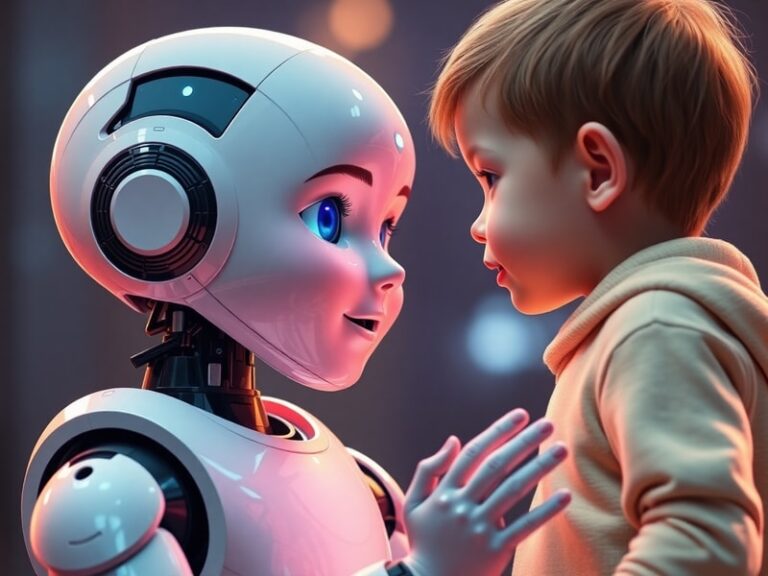
Lifelike companion robots are sophisticated machines that utilize a combination of artificial intelligence (AI), machine learning, and robotics to interact with humans in a more intuitive and emotional manner. Unlike traditional robots that follow rigid programming, these new-generation companions are designed to:
- Recognize Emotions: Through facial recognition technology and voice analysis, these robots can identify human emotions by analyzing expressions and vocal tones.
- Respond Appropriately: Based on the emotions they detect, they can react in ways that resonate with human feelings, offering comfort, companionship, or entertainment.
- Engage in Conversation: Leveraging natural language processing (NLP), these robots facilitate meaningful dialogues, making interactions feel more genuine.
Practical Insights into Companion Robots
The introduction of lifelike companion robots has broad implications across various sectors. Here are some practical insights into their functionality and applications:
- Healthcare: Companion robots can assist in elderly care, providing companionship to seniors and helping monitor their health. For instance, robots like PARO, a robotic seal, have been shown to reduce feelings of loneliness in patients with dementia.
- Education: In educational settings, robots can serve as interactive tutors, adapting their teaching methods based on students’ emotional responses. This personalized approach can enhance learning experiences.
- Entertainment: These robots can engage users in games, storytelling, or creative activities, providing a form of entertainment that responds to the user’s emotional state, thus making interactions more enjoyable.
Industry Implications
The rise of lifelike companion robots is not just a technological marvel; it also poses significant implications for various industries:
- Workforce Dynamics: As robots take on roles traditionally held by humans, especially in caregiving and customer service, there may be a considerable shift in job roles and responsibilities.
- Emotional Labor: While robots can relieve humans of some emotional labor, they also raise ethical questions regarding the authenticity of emotional connections formed with non-human entities.
- Market Growth: The companion robot market is projected to grow significantly, driven by advancements in AI and robotics. Companies investing in this technology will likely see substantial returns as demand increases.
Challenges and Considerations
Despite the exciting potential of lifelike companion robots, there are several challenges that developers and society must consider:
- Ethical Concerns: The emotional engagement offered by these robots raises questions about dependency and the nature of human-robot relationships. Are we replacing human interaction with mechanical substitutes?
- Privacy Issues: Data collection through emotion recognition poses privacy risks. Ensuring that user data is handled responsibly is paramount in maintaining trust.
- Technological Limitations: While advancements are rapid, current technology still has limitations in accurately reading and responding to complex emotional states, which can lead to misunderstandings.
Future Possibilities
Looking ahead, the evolution of lifelike companion robots holds immense promise:
- Enhanced Emotional Intelligence: As AI algorithms become more sophisticated, future robots will be better equipped to understand nuanced emotions, leading to deeper interactions.
- Integration with Smart Homes: Companion robots could seamlessly integrate with smart home systems, providing personalized assistance and companionship while managing household tasks.
- Global Reach: With advancements in language processing, these robots may become capable of interacting in multiple languages and cultural contexts, broadening their accessibility and appeal.
In conclusion, the emergence of lifelike companion robots represents a fascinating intersection of technology and emotional intelligence. As industries adapt to incorporate these innovations, it is crucial to navigate the ethical and practical challenges they present. The future of companion robots is bright, promising a world where technology enhances human connections rather than replacing them.