Adobe Launches Innovative AI Study Tools
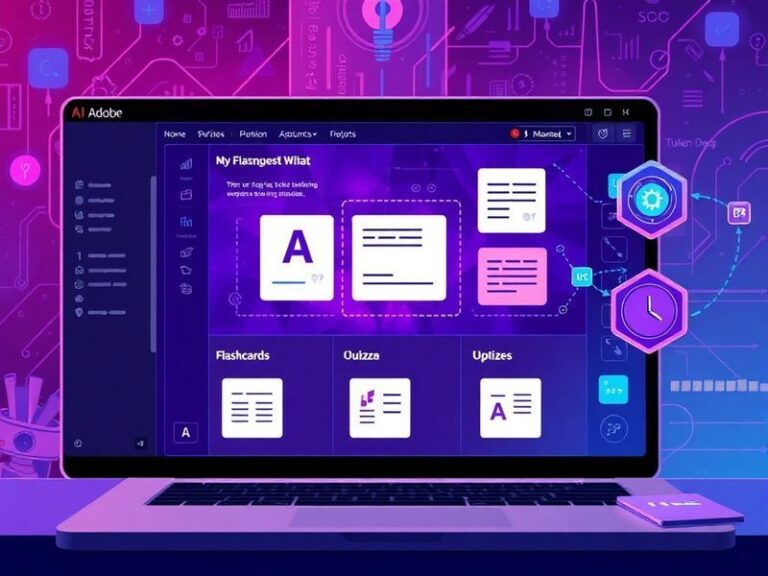
In a move that promises to redefine the educational landscape, Adobe has unveiled a groundbreaking platform that leverages artificial intelligence to transform student notes into interactive learning materials. This innovative tool is designed to enhance the learning experience by automatically generating flashcards, quizzes, and other study aids from the notes students create. As technology continues to evolve, this new offering from Adobe highlights the potential of AI in education and sets the stage for future advancements in personalized learning.
The Features of Adobe’s AI-Powered Study Tools
Adobe’s latest platform integrates several key features that aim to facilitate and enhance the study process:
- Automated Content Creation: The AI analyzes student notes and extracts key concepts to create tailored flashcards and quizzes.
- Interactive Learning: Students can engage with the materials through various formats, including multiple-choice questions and true/false quizzes, making learning more dynamic.
- Real-Time Feedback: The platform offers immediate feedback on quiz performance, allowing students to identify areas needing improvement.
- Customization Options: Users can personalize the content based on their study preferences, focusing on topics they find most challenging.
Practical Insights for Students
The implications of Adobe’s AI study tools are profound for both students and educators. Here are some practical insights on how these tools can be utilized:
- Enhanced Retention: By transforming notes into interactive formats, students can reinforce their understanding of the material, leading to better retention rates.
- Time Efficiency: The automated generation of study aids saves time, allowing students to focus on studying rather than creating resources from scratch.
- Increased Engagement: Interactive quizzes and flashcards can make studying more engaging, potentially reducing the monotony often associated with traditional study methods.
- Collaborative Learning: The platform can facilitate group study sessions, where students share their generated materials, promoting collaboration and deeper understanding.
Industry Implications
This launch signifies a larger trend towards the integration of AI in educational technology. As Adobe sets a new standard, other companies may follow suit, leading to a more competitive landscape. Here are some industry implications:
- Growing Demand for AI Tools: The success of Adobe’s platform could lead to increased demand for similar AI-powered educational tools, enhancing the overall market for EdTech.
- Shift in Learning Paradigms: With AI taking a more central role in education, traditional teaching methods may need to adapt, incorporating technology-driven solutions to meet students’ evolving needs.
- Focus on Personalization: As AI tools become more prevalent, there will be a greater emphasis on personalized education, allowing students to learn at their own pace and style.
Future Possibilities
The introduction of Adobe’s innovative study tools paves the way for future advancements in AI and education. Here are some possibilities to consider:
- Integration with Learning Management Systems (LMS): Future iterations could seamlessly integrate with existing LMS platforms, offering a comprehensive learning environment that combines note-taking, study aids, and assessment.
- Expanding to Other Formats: Beyond flashcards and quizzes, future tools could include interactive simulations, video content, and gamified learning experiences.
- AI Tutoring Systems: Adobe may look to develop AI-driven tutoring systems that provide personalized support and guidance based on individual learning patterns.
- Global Accessibility: The potential for translation and localization means that students around the world could benefit from AI-enhanced learning materials, breaking down language barriers in education.
Conclusion
Adobe’s launch of AI-powered study tools represents a significant leap forward in educational technology. By turning student notes into interactive learning materials, the platform not only streamlines the study process but also enhances engagement and retention. As AI continues to evolve, the future of education looks promising, with endless possibilities for personalization and innovation. Students and educators alike should embrace these changes, as they herald a new era of learning that is more efficient, engaging, and tailored to individual needs.