Gemma 4: AI Power on Your Phone
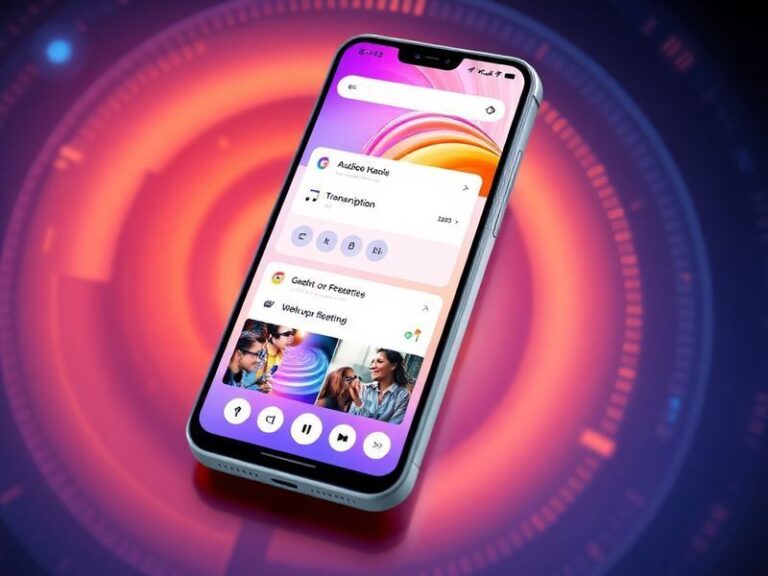
In the rapidly evolving landscape of artificial intelligence, Google’s Gemma 4 is making waves by bringing advanced AI functionalities directly to mobile devices. This innovative app allows users to run sophisticated AI models offline, enabling seamless audio transcription and image analysis. This article dives deep into how Gemma 4 is revolutionizing personal technology, its implications for various industries, and what the future holds for mobile AI applications.
What is Gemma 4?
Gemma 4 is more than just a mobile application; it represents a significant leap in the way artificial intelligence can be leveraged in everyday tasks. Traditional AI applications often rely on cloud computing to process large datasets, leading to latency and privacy concerns. However, Gemma 4’s offline capabilities mean:
- Real-Time Processing: Users can transcribe audio and analyze images instantly without needing an internet connection.
- Enhanced Privacy: Personal data remains on the device, reducing the risk of data breaches and unauthorized access.
- Accessibility: Users in areas with limited internet connectivity can still harness powerful AI tools.
Advanced Features of Gemma 4
Gemma 4 offers a suite of features that empower users to perform complex tasks with ease:
- Audio Transcription: With state-of-the-art natural language processing models, users can convert spoken language into text accurately and efficiently.
- Image Analysis: The app can identify objects, people, and text within images, making it invaluable for photographers, marketers, and educators.
- Customizable Models: Users can tailor the AI models to suit specific needs, whether for personal use or business applications.
Practical Insights for Users
The introduction of Gemma 4 is particularly relevant for various user demographics:
- Professionals: Business executives and marketers can utilize audio transcription for meeting notes and interviews, enhancing productivity.
- Students: Learners can record lectures and transcribe them for better study and reference.
- Content Creators: Photographers and videographers can quickly analyze their work, identifying key elements for editing and enhancement.
Industry Implications
The implications of Gemma 4 extend beyond individual users, influencing various sectors:
- Healthcare: Medical professionals can utilize audio transcription during patient consultations, enabling better record-keeping and follow-ups.
- Education: Teachers can leverage image analysis to create interactive learning materials, enhancing student engagement.
- Marketing and Advertising: Brands can utilize advanced image recognition to analyze consumer interactions with their products, tailoring strategies based on real-time data.
Future Possibilities
As we look to the future, the potential for Gemma 4 and similar applications is immense:
- Integration with IoT: Imagine a world where your phone can communicate seamlessly with smart devices, using AI to enhance automation and personalization.
- Expanded Use Cases: As AI models evolve, we can expect applications in areas such as augmented reality, where real-time image recognition can enhance user experiences in retail and tourism.
- Collaborative AI Models: Future iterations may allow users to share and collaborate on custom AI models, creating a community-driven approach to innovation.
Conclusion
The launch of Gemma 4 marks a pivotal moment in mobile technology, bringing powerful AI capabilities directly to users’ fingertips. By enabling offline audio transcription and image analysis, Google has opened up new avenues for productivity and creativity while addressing privacy concerns. As technology continues to advance, applications like Gemma 4 will undoubtedly play a crucial role in shaping the future of how we interact with AI, making it an integral part of our daily lives.