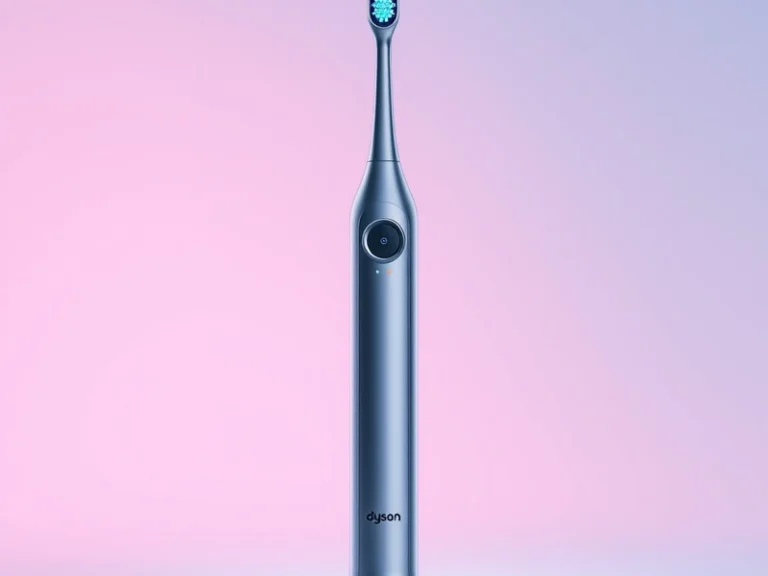
The concept of Dyson, a company synonymous with innovative engineering, integrating artificial intelligence into dental care through an AI-equipped toothbrush sparks conversation about the ongoing revolution in oral hygiene technology. While Dyson has not announced a specific product in this category, the hypothetical entry highlights a significant trend: advanced AI is increasingly being leveraged to personalize and improve everyday health practices, including the seemingly simple act of brushing teeth.
The integration of AI into oral hygiene is not a futuristic fantasy but a present reality, spearheaded by companies like Philips and Procter & Gamble’s Oral-B. These pioneers have already brought to market smart toothbrushes that utilize sophisticated sensors and machine learning algorithms to provide real-time feedback and data-driven insights to users. The core idea is to move beyond mere mechanical cleaning to an intelligent system that understands and adapts to individual brushing habits and oral health needs.
AI’s Role in Modern Oral Hygiene
Current AI-powered toothbrushes typically incorporate a suite of sensors, including accelerometers, gyroscopes, and pressure sensors, to capture data on brushing technique. This data is then processed by embedded AI models, often in conjunction with a connected smartphone application, to offer a comprehensive analysis. Key areas where AI provides value include:
- Real-time Feedback: Users receive immediate alerts if they are brushing too hard, missing spots, or not brushing for the recommended duration. Visual cues on a smartphone screen often map out the mouth, highlighting areas that require more attention.
- Personalized Coaching: Over time, the AI learns a user’s unique brushing patterns and common deficiencies. It can then provide tailored recommendations and coaching programs designed to correct habits, such as suggesting specific brushing techniques for hard-to-reach areas or focusing on gum line cleaning.
- Coverage Mapping: Advanced sensors can track the brush head’s position within the mouth, creating a 3D map of brushed and missed areas. This ensures thorough cleaning across all quadrants of the mouth.
- Pressure Sensing: AI algorithms interpret pressure sensor data to prevent over-brushing, which can lead to gum recession and enamel damage. The brush can automatically slow down or alert the user when excessive force is applied.
- Data Logging and Progress Tracking: All brushing sessions are recorded, allowing users to track their progress over days, weeks, and months. This historical data can be shared with dental professionals to inform more precise and preventative care plans.
- Gamification: Some applications incorporate game-like elements, rewarding users for consistent and effective brushing, which can significantly improve adherence, especially among children.
Dyson’s Potential Entry and Design Philosophy
Should Dyson choose to enter the AI dental care market, its approach would likely reflect its established brand identity: sophisticated engineering, distinct design, and a focus on solving problems through innovative technology. Given Dyson’s expertise in fluid dynamics, miniaturization, and powerful yet efficient motors, a hypothetical Dyson AI toothbrush might feature:
- Advanced Motor Technology: Building on its heritage of high-speed digital motors, Dyson could introduce a brush with unparalleled sonic vibrations or even a novel cleaning mechanism that optimizes plaque removal with minimal effort.
- Ergonomic and Aesthetic Design: Dyson products are renowned for their sleek, often sculptural forms. An AI toothbrush from the company would likely prioritize ergonomic comfort and a premium aesthetic, integrating technology seamlessly rather than overtly.
- Integrated Data Ecosystem: Leveraging its existing app infrastructure for other smart products, Dyson could potentially offer a more cohesive personal health ecosystem, integrating oral hygiene data with other wellness metrics.
- Enhanced Sensor Integration: While current AI toothbrushes use a range of sensors, Dyson’s R&D could push boundaries further, perhaps incorporating novel sensing capabilities for detecting early signs of gum inflammation or other oral health issues.
The company’s history of disrupting established markets, from vacuum cleaners to hair care, suggests that any foray into dental hygiene would not merely replicate existing solutions but aim to redefine the category.
The Broader Impact and Considerations
The proliferation of AI in dental care raises important discussions beyond just brushing efficacy. For a technically literate audience, several factors warrant consideration:
Data Privacy and Security: As these devices collect sensitive personal health data, robust security measures and transparent data handling policies are paramount. Users need assurance that their oral health data is protected and used ethically.
Clinical Efficacy: While intuitive, the long-term clinical benefits of AI-powered toothbrushes compared to traditional electric models require ongoing research. Demonstrating measurable improvements in oral health outcomes, such as reduced gingivitis or cavities, will be crucial for broader adoption and professional endorsement.
Accessibility and Cost: Advanced AI-equipped toothbrushes often come with a premium price tag. Ensuring these technologies are accessible to a wider demographic, or that their benefits significantly outweigh the cost, will be key to their societal impact.
User Engagement: The effectiveness of smart toothbrushes heavily relies on user engagement with the accompanying apps and feedback systems. Designing intuitive interfaces and compelling incentives to maintain consistent use is essential.
The potential for companies like Dyson to enter and innovate within the AI dental care market underscores a future where personal health devices are not just tools but intelligent partners in maintaining well-being. By combining sophisticated AI with cutting-edge engineering, these devices promise a more personalized, effective, and data-driven approach to oral hygiene, ultimately contributing to better overall health.