AI Narration: The Voice of Michael Caine
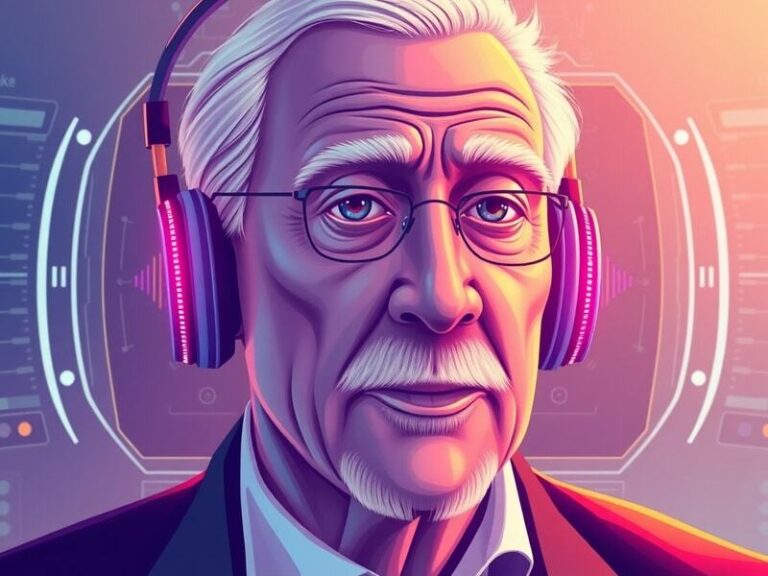
As artificial intelligence continues to evolve, its applications are becoming more diverse and sophisticated. One of the most intriguing innovations is the use of AI to replicate the voices of well-known personalities for various mediums, including audiobooks. One of the latest advancements in this area is the creation of an audiobook narrated by a digital replica of legendary actor Michael Caine’s voice. This article explores the technology behind AI narration, its implications for the audiobook industry, and the future possibilities it presents.
The Technology Behind AI Voice Replication
The process of creating a digital replica of a voice involves a combination of machine learning, natural language processing (NLP), and text-to-speech (TTS) technologies. Here’s a breakdown of how this technology works:
- Data Collection: To create an accurate voice model, extensive audio recordings of the individual’s voice are needed. This includes various emotions, speech patterns, and inflections.
- Model Training: Machine learning algorithms analyze the gathered audio data to learn the unique characteristics of the voice, including pitch, tone, and cadence.
- Text-to-Speech Conversion: Once the model is trained, it can convert written text into spoken words, mimicking the original voice with remarkable accuracy.
This technology is not limited to famous personalities; it can also be adapted for various applications such as personalized voice assistants, customer service bots, and more. However, its use in audiobook narration presents unique opportunities and challenges.
Industry Implications
The advent of AI narration featuring a voice like Michael Caine’s opens up various implications for the audiobook industry:
- Cost-Effective Production: Traditionally, hiring a high-profile actor for narration can be prohibitively expensive. AI narration can significantly reduce costs by eliminating the need for studio time and travel.
- Accessibility: AI-generated audiobooks can make literature more accessible to people who prefer listening over reading, including those with visual impairments or reading disabilities.
- Creative Control: Authors and publishers can maintain greater creative control over their projects, as they can produce audiobooks with the exact vocal nuances they desire.
However, these advantages also come with ethical considerations. The use of a celebrity’s voice without their explicit consent raises questions about intellectual property rights and royalties. Ensuring transparency and fairness in these transactions will be crucial as the technology matures.
Future Possibilities
Looking ahead, the possibilities for AI narration are expansive:
- Personalized Experiences: Imagine audiobooks that are tailored to individual preferences, where the listener can choose the style or emotion of the narration. This level of personalization could revolutionize how we consume literature.
- Multilingual Narration: AI can potentially enable seamless translations of audiobooks, allowing listeners to enjoy content in their native languages, narrated in the voice of their favorite actors.
- Interactive Storytelling: Future narrations could incorporate AI-driven interactivity, where the narration adapts based on listener feedback or choices, creating a dynamic storytelling experience.
As we embrace these innovations, it’s vital to keep a dialogue open about the implications of using AI in creative fields. Engaging with stakeholders from various sectors—including artists, technologists, and ethicists—will ensure that this technology is harnessed responsibly.
In conclusion, the use of AI to create audiobooks narrated by a digital replica of Michael Caine’s voice represents a significant leap in technology. It not only showcases the capabilities of AI in replicating human characteristics but also sets the stage for a new era in audiobook production. As we navigate this exciting landscape, the balance between innovation and ethical considerations will be paramount.