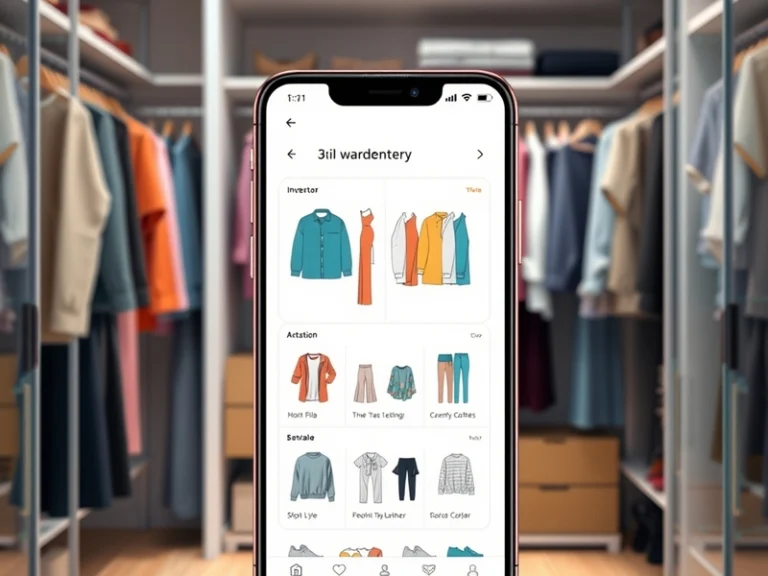
Artificial intelligence is fundamentally reshaping how individuals manage their personal style, enabling the creation of detailed digital wardrobes directly from user-submitted photographs.
This innovative application of AI, primarily driven by advancements in computer vision and machine learning, allows users to digitize their physical clothing collections without the tedious manual entry traditionally required by wardrobe management apps. Instead of cataloging each item by hand, users can simply upload photos of their garments, and the AI system processes these images to identify, categorize, and inventory their apparel.
The Technical Core: From Pixels to Inventory
The process of transforming a simple photograph into a structured digital wardrobe entry involves several sophisticated AI techniques:
- Image Acquisition and Preprocessing: Users typically upload photos taken with their smartphone cameras, either of individual items laid flat, on a hanger, or even worn. The AI system first processes these images, often performing tasks like background removal, lighting normalization, and resizing to optimize them for subsequent analysis.
- Object Detection and Segmentation: This crucial step employs deep learning models, frequently based on convolutional neural networks (CNNs), to identify and precisely delineate individual clothing items within an image. For instance, if a photo contains a shirt, a pair of trousers, and shoes, the AI will segment each item, separating it from other garments and the background. Advanced models can handle varying angles, lighting conditions, and occlusions.
- Feature Extraction and Classification: Once an item is isolated, the AI extracts a rich set of features. This includes identifying the garment type (e.g., t-shirt, blazer, jeans, dress), its primary color, patterns (e.g., stripes, floral, plaid), material texture (e.g., denim, silk, knit), and even stylistic attributes like collar type or sleeve length. These features are then used to classify the item and assign relevant tags, creating a comprehensive digital representation. This process often leverages large datasets of labeled clothing images to train robust classification models.
The output is a digital inventory where each item is associated with its extracted attributes, often accompanied by the original image, making it easily searchable and manageable within an application interface.
Beyond Inventory: Practical Applications for the User
The utility of a digitized wardrobe extends far beyond simple inventory management, offering a suite of practical benefits for consumers:
- Outfit Generation and Styling: With a complete digital catalog, AI algorithms can suggest daily outfits based on weather, event type, personal style preferences, and even past wear data. These systems can identify complementary pieces, recommend new combinations, and help users visualize outfits before trying them on.
- Wardrobe Analytics and Sustainability: Users can gain insights into their wearing habits, identifying frequently worn items versus those rarely used. This data can inform future purchasing decisions, promote re-wearing, and encourage more sustainable consumption patterns by reducing impulse buys and maximizing the utility of existing garments. Some platforms even track cost-per-wear.
- Integration with Resale and Shopping: Digital wardrobes can streamline the process of selling unwanted clothes by pre-populating listing details and images for resale platforms like Depop or Poshmark. Conversely, they can identify wardrobe gaps and suggest new purchases that complement existing items, potentially linking to e-commerce sites.
- Travel Planning: By knowing exactly what items are available and their attributes, users can efficiently plan outfits for trips, ensuring versatile packing and avoiding forgotten essentials.
Pioneering Platforms in the Space
Several applications have emerged, leveraging AI to bring this vision to fruition, each with its unique approach:
- Whering: A prominent app in this sector, Whering allows users to upload photos of their clothes, which its AI then processes to create a digital closet. It provides styling suggestions, helps track wear, and even offers a curated shopping feed based on the user’s existing wardrobe and preferences.
- Acloset: Similar to Whering, Acloset focuses on AI-powered digitization and styling. It emphasizes outfit planning, seasonal recommendations, and community features where users can share styles and get inspiration.
While other apps like Stylebook have long offered digital wardrobe management, their inventory creation often relies on manual input or importing from e-commerce sites. The distinctive feature of the new wave of AI-powered solutions is their ability to automate the initial, labor-intensive digitization process from personal photos, significantly lowering the barrier to entry for users.
Challenges and Considerations
Despite the rapid progress, the deployment of AI in personal wardrobe management faces several challenges:
- Accuracy and Edge Cases: The AI’s ability to accurately identify and classify items can be affected by poor lighting, complex patterns, highly similar items, or unusual garment structures. Distinguishing between subtle shades of color or intricate details remains a nuanced task.
- Data Privacy and Security: Users upload personal images of their belongings, raising concerns about how this data is stored, processed, and secured. Transparency from app developers regarding data policies is crucial for user trust.
- User Adoption and Effort: While AI automates much of the process, users still need to take and upload photos of their entire wardrobe, which can be a significant initial time commitment. Sustained engagement depends on the perceived value and ease of use.
As computer vision models continue to improve in robustness and precision, and as user interfaces become more intuitive, AI-powered digital wardrobes are poised to become a staple for fashion-conscious consumers seeking greater organization, styling assistance, and sustainability in their personal fashion choices.