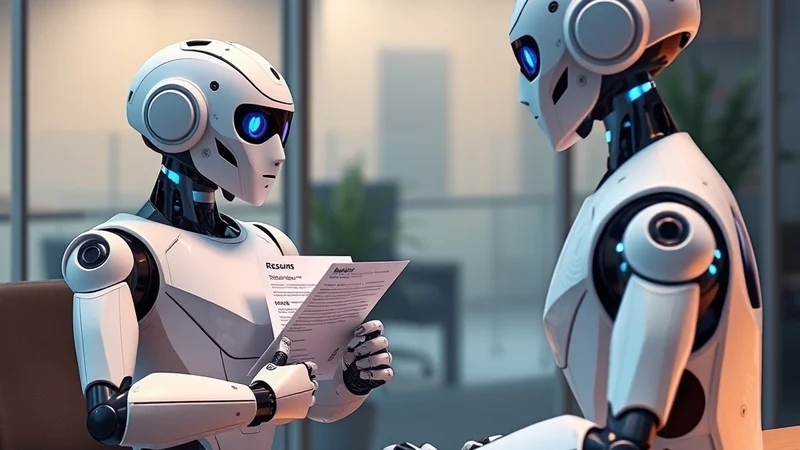
Andrew Ng, a leading figure in artificial intelligence and co-founder of Coursera and Google Brain, has consistently voiced concerns regarding what he perceives as a manufactured panic surrounding AI’s existential risks, advocating instead for a pragmatic focus on current, solvable challenges and the technology’s immense potential for good.
Ng’s perspective challenges the prevalent narrative in some media and public discourse that often sensationalizes AI’s long-term dangers, portraying scenarios of out-of-control superintelligence or job-destroying robots. Instead, he urges a shift in focus towards the tangible, near-term issues and opportunities that AI presents today.
Ng’s Pragmatic Stance on AI Risks
Ng frequently likens AI to electricity, a foundational technology that powers numerous applications across industries. Just as electricity transformed society without developing sentience, AI, he argues, is a general-purpose technology whose impact will be felt across every sector. His core arguments typically revolve around several key points:
- Focus on Narrow AI: The vast majority of AI systems in use today are examples of “narrow AI,” designed to perform specific tasks, such as image recognition, natural language processing, or recommendation systems. These systems excel within their defined domains but lack general intelligence, common sense, or self-awareness. Ng emphasizes that concerns about Artificial General Intelligence (AGI) achieving consciousness are far removed from current capabilities and practical timelines.
- Real-World Problems: Rather than hypothetical doomsday scenarios, Ng points to immediate, pressing concerns that require attention. These include issues of algorithmic bias, data privacy, the responsible deployment of AI in critical applications like healthcare and autonomous vehicles, and the need for workforce retraining to adapt to automation. These are problems that can be addressed through careful engineering, policy, and ethical guidelines.
- Human Oversight: Present AI systems are tools, requiring human design, training, and oversight. The idea of AI systems autonomously deciding to harm humanity, as depicted in science fiction, relies on a level of agency and intent that current AI simply does not possess. Ng highlights the importance of keeping humans in the loop, especially for high-stakes decisions.
- Economic Benefits: Ng is a strong proponent of AI’s potential to drive economic growth, improve quality of life, and solve some of humanity’s most challenging problems, from diagnosing diseases more accurately to optimizing energy grids and developing new materials. He fears that excessive focus on speculative risks could distract from these very real benefits.
The Origins of “Manufactured Panic”
The notion of a “manufactured panic” suggests that fears about AI are sometimes amplified beyond what current technological realities warrant. Several factors contribute to this phenomenon:
- Science Fiction Influence: Decades of science fiction literature and films have ingrained narratives of rogue robots, sentient AI, and dystopian futures into the public consciousness. While valuable for exploring ethical dilemmas, these fictional portrayals can blur the lines with current scientific capabilities.
- Media Sensationalism: News outlets often prioritize dramatic headlines, and stories about AI’s potential to destroy jobs or unleash superintelligence can capture more attention than nuanced discussions of algorithmic fairness or data governance.
- Lack of Technical Understanding: For those without a deep understanding of how AI systems actually work, the capabilities of even narrow AI can seem mysterious and potentially limitless, leading to inflated expectations of both its power and its potential dangers.
- Misinformation and Exaggeration: In some cases, individuals or groups may intentionally exaggerate AI risks, either to gain attention, influence policy, or position themselves in a particular debate.
Implications for AI Regulation
The debate around AI’s risks has significant implications for how the technology is regulated. Ng and others argue that an overemphasis on speculative, long-term threats can lead to premature or ill-conceived regulations that could stifle innovation without effectively addressing real problems.
If policymakers are primarily driven by fears of existential risk, they might pursue broad, restrictive regulations that apply across all AI applications, regardless of their actual risk profile. This could inadvertently:
- Hinder Innovation: Overly broad regulations could make it prohibitively expensive or complex for researchers and companies to develop and deploy new AI technologies, particularly for startups and smaller entities.
- Misdirect Resources: Focusing on distant, theoretical threats could divert attention and resources away from developing effective policies and technical solutions for the immediate, practical challenges of bias, privacy, and accountability in AI systems.
- Create Regulatory Gaps: Blanket regulations might fail to address the specific, nuanced risks associated with different AI applications. For example, the regulatory needs for an AI system used in medical diagnostics are vastly different from those for a content recommendation algorithm.
Instead, Ng advocates for a more targeted, domain-specific approach to regulation. This would involve identifying specific high-risk applications of AI – such as autonomous vehicles, facial recognition in public spaces, or AI used in credit scoring and hiring – and developing tailored guidelines and safeguards for those particular contexts. This allows for a focus on tangible harms and benefits, fostering responsible innovation while mitigating genuine risks.
The discussion around AI’s future requires a balanced perspective, grounded in current technological realities rather than speculative fears. By focusing on practical challenges and opportunities, and by advocating for thoughtful, context-aware regulation, figures like Andrew Ng aim to guide the development of AI towards a future that maximizes its benefits for humanity.