Anthropic’s New Design Tool: Claude as a Designer
In the rapidly evolving landscape of artificial intelligence, tools that blend creativity with technology are becoming game-changers for industries worldwide. One such innovation is Anthropic’s new design tool, Claude, which leverages advanced AI capabilities to assist in creating polished marketing materials and prototypes. This article delves into how Claude is transforming design processes, the implications for various industries, and the future possibilities of AI in design.
Overview of Claude as a Designer
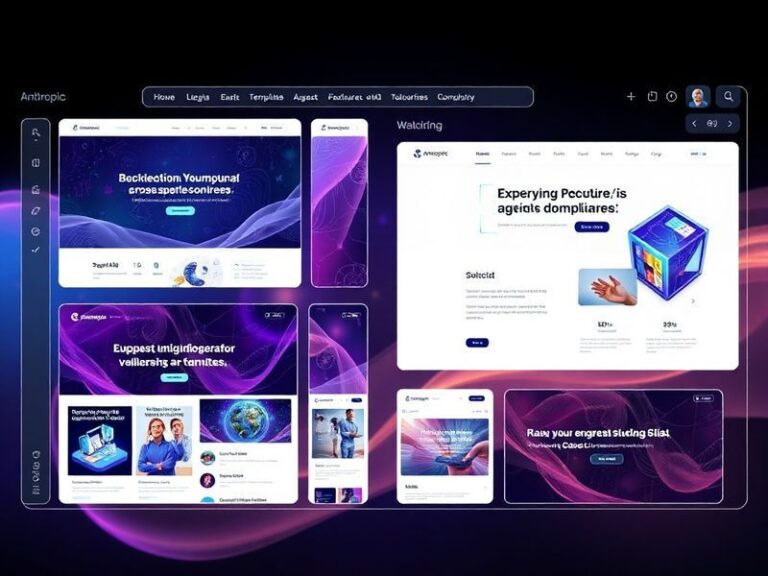
Claude is not just another AI tool; it represents a significant leap in the integration of generative AI within the design space. This tool allows users to collaborate with AI to produce high-quality design outputs efficiently. Here are some of its core features:
- Natural Language Processing: Claude understands user commands in natural language, making it accessible for individuals without design expertise.
- Prototyping Capabilities: Users can create interactive prototypes that simulate the user experience.
- Branding Integration: The tool can generate designs that align with existing brand guidelines, ensuring consistency across marketing materials.
- Real-Time Collaboration: Teams can work together using Claude, allowing for instant feedback and iterations on designs.
Practical Insights for Designers and Marketers
For designers and marketers, the introduction of Claude offers practical insights and strategies that can enhance workflow and collaboration:
- Streamlined Design Process: By automating repetitive tasks, Claude frees up designers to focus on more strategic elements of their projects, such as creative brainstorming and conceptualization.
- Enhanced Creativity: Claude can suggest design elements based on current trends and user preferences, providing inspiration and innovative ideas that may not have been considered otherwise.
- Cost-Effective Solution: For businesses, utilizing Claude can reduce the costs associated with hiring multiple designers, as the AI can handle various aspects of design.
- Iterative Design Improvements: The ability to receive instant feedback from Claude allows for rapid iteration, resulting in a more refined final product.
Industry Implications
The implications of Claude for various industries are profound. Here are a few key areas where its impact is particularly noteworthy:
- Marketing and Advertising: Brands can quickly generate campaign materials tailored to different audiences, enabling personalized marketing strategies.
- Tech Startups: Startups can leverage Claude for product design and marketing with limited resources, leveling the playing field against larger companies.
- E-commerce: Online retailers can create engaging product presentations and advertisements, improving customer engagement and conversion rates.
- Education: Educational institutions can use Claude to develop promotional materials for courses and programs easily.
Future Possibilities of AI in Design
As AI technology continues to evolve, the future possibilities for tools like Claude are expansive:
- Adaptive Learning: Future iterations of Claude could incorporate machine learning to better understand user preferences and styles, leading to even more personalized design outputs.
- Integration with Augmented Reality (AR): AI-driven design tools could support AR applications, enabling designers to create immersive experiences directly from prototypes.
- Collaboration with Other AI Tools: Claude could integrate with other AI technologies, such as sentiment analysis tools, providing insights that enhance design strategies.
- Accessibility Enhancements: AI could help in creating designs that are more accessible to individuals with disabilities, ensuring that marketing materials reach a wider audience.
In conclusion, Anthropic’s Claude as a designer represents a significant advancement in the intersection of AI and design. By streamlining processes, enhancing creativity, and reducing costs, it stands to revolutionize how businesses approach marketing and product design. As the technology continues to evolve, the future of AI in design appears not only promising but filled with innovative potential.