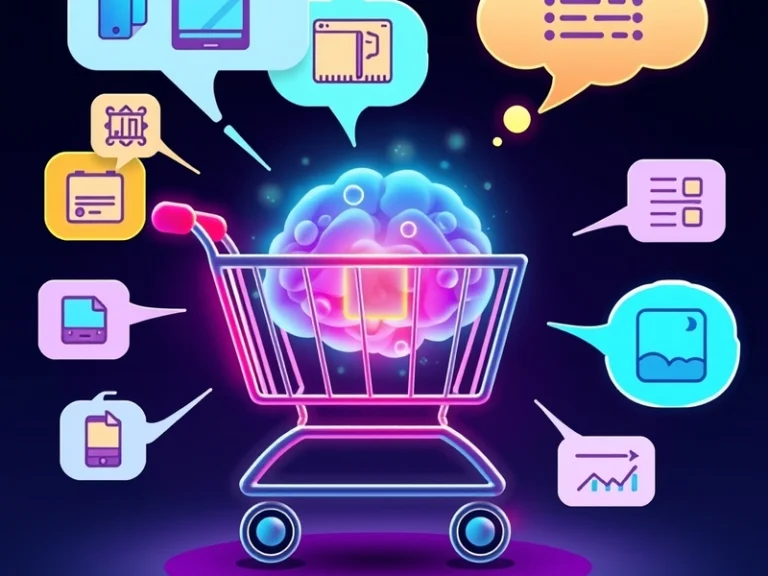
Large language models (LLMs) like OpenAI’s ChatGPT are fundamentally reshaping the online shopping experience, moving beyond static recommendations to act as proactive, personalized assistants that can effectively “shop before you do.” This evolution marks a significant shift from traditional e-commerce paradigms, where users primarily navigated product catalogs, to an interactive, conversational model where AI anticipates and fulfills consumer needs.
The concept of AI “shopping before you do” isn’t about autonomous purchasing (yet), but rather about the AI’s advanced capability to understand nuanced user intent, synthesize vast amounts of product information, and present highly tailored recommendations with minimal user effort. Unlike algorithms that merely suggest items based on past purchases or browsing history, LLMs leverage their understanding of natural language to engage in a dialogue, clarify preferences, and even infer unspoken needs.
The Mechanism of Personalized Discovery
At its core, this personalized shopping experience relies on several key AI capabilities:
- Natural Language Understanding (NLU): LLMs excel at interpreting complex, conversational queries. A user might say, “I need a durable, waterproof jacket for hiking in variable spring weather, preferably under $200, and it should pack down small.” The AI can parse these multiple constraints and preferences.
- Contextual Reasoning: Beyond individual queries, LLMs can maintain conversational context. If a user later asks, “What about matching pants?”, the AI understands “matching” in the context of the previously discussed hiking gear.
- Information Synthesis: These models can rapidly process and distill information from product descriptions, specifications, customer reviews, and comparative analyses across numerous retailers. They can identify key features, pros, and cons relevant to the user’s specific criteria.
- Personalized Filtering: By integrating with a user’s past purchase data (with explicit consent), browsing history, and stated preferences, the AI can further refine recommendations to align with individual style, brand loyalty, or budget categories.
While e-commerce platforms have long employed recommendation engines—think “customers who bought this also bought…” or “recommended for you” sections—the LLM-driven approach represents a qualitative leap. Traditional systems often rely on collaborative filtering or content-based filtering, which are powerful for identifying statistical correlations. However, they typically lack the ability to truly understand a complex, multi-faceted request expressed in natural language, or to engage in a clarifying dialogue to refine suggestions.
An LLM, acting as a personal shopper, can explain why a particular item is recommended, citing specific features that align with the user’s articulated needs. For instance, it might highlight a jacket’s specific waterproofing technology or its packability rating directly addressing the user’s request for “waterproof” and “packs down small.” This level of transparency and reasoned explanation builds greater trust and helps users make more informed decisions.
Advantages for Consumers and Businesses
For consumers, the benefits are immediate and tangible:
- Time Efficiency: Users can bypass lengthy searches, product comparisons, and review aggregations, receiving curated options quickly.
- Enhanced Discovery: AI can unearth niche products or lesser-known brands that perfectly match criteria but might be overlooked in conventional browsing.
- Reduced Decision Fatigue: By presenting a refined set of choices, AI lessens the cognitive load associated with sifting through countless options.
- Improved Satisfaction: More accurate recommendations lead to purchases that better meet expectations, potentially reducing returns and buyer’s remorse.
Businesses, too, stand to gain significantly from this paradigm shift:
- Increased Conversion Rates: Highly relevant recommendations are more likely to lead to a purchase.
- Higher Average Order Value: AI can suggest complementary products or upsell opportunities that align with the user’s inferred needs.
- Deeper Customer Insights: The conversational data generated provides richer insights into customer preferences and market trends than traditional clickstream data alone.
- Operational Efficiency: Automating aspects of customer service related to product discovery can free up human agents for more complex issues.
Navigating the New Frontier: Challenges and Ethical Considerations
Despite the immense potential, the integration of LLMs into personalized shopping presents several challenges that require careful consideration:
- Data Privacy and Security: For AI to provide truly personalized recommendations, it often requires access to sensitive user data. Ensuring robust privacy protections and transparent data handling policies is paramount.
- Algorithmic Bias: LLMs are trained on vast datasets, which can inadvertently contain biases. If not carefully managed, these biases could lead to discriminatory recommendations, reinforcing stereotypes or limiting choices for certain demographic groups.
- “Filter Bubbles” and Serendipity: Over-personalization risks creating echo chambers where users are only shown products similar to what they already know, potentially stifling serendipitous discovery of new interests or categories.
- Accuracy and Hallucinations: While powerful, LLMs can sometimes generate plausible but incorrect information (“hallucinations”). In a shopping context, this could lead to misrepresentations of product features or availability.
- Trust and Transparency: Users need to understand how recommendations are generated and trust that the AI is acting in their best interest, not solely driven by advertiser influence. Clear disclosure mechanisms are essential.
The advent of sophisticated LLMs like ChatGPT is ushering in an era where online shopping transcends simple transactions, evolving into a highly interactive, personalized, and intuitive experience. While the technology promises unprecedented convenience and efficiency for consumers and new growth avenues for businesses, its responsible development and deployment will hinge on addressing critical concerns around privacy, bias, and transparency. As these AI capabilities mature, the line between browsing and buying will continue to blur, making the notion of an AI “shopping before you do” an increasingly tangible reality.