Claude: The AI Driving a Robodog
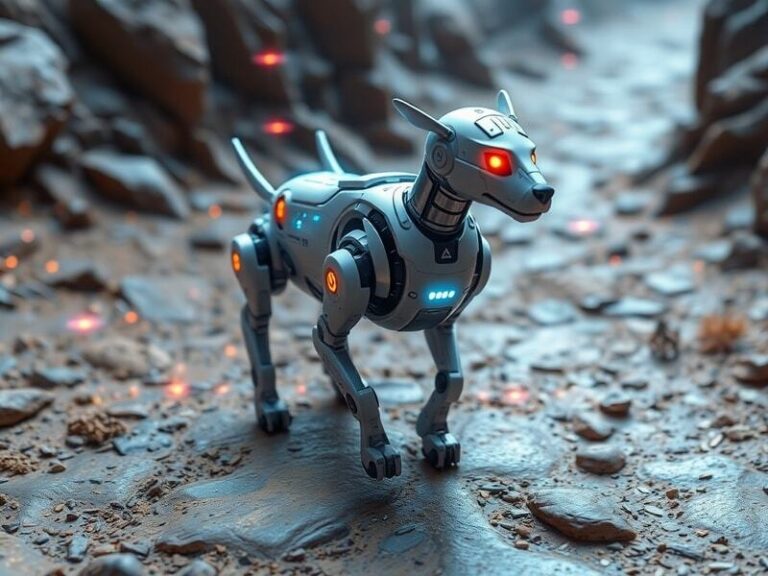
As artificial intelligence (AI) continues to evolve, its integration into robotics is becoming increasingly sophisticated. One of the most fascinating developments in this arena is the emergence of AI-driven robodogs, with Claude being a standout example. This article explores how Claude enhances robotic capabilities, leading to faster and more efficient operations, and examines the implications for various industries and the future of robotics.
The Role of AI in Robotics
AI plays a pivotal role in enhancing the functionality and performance of robots. By leveraging machine learning algorithms, robots can learn from their environments, make decisions in real-time, and adapt to new situations. Claude, as an AI system, brings several advantages to robotic platforms:
- Autonomous Navigation: Claude enables robodogs to navigate complex terrains independently, utilizing sensors and computer vision to avoid obstacles and adapt to changing environments.
- Real-Time Decision Making: Through advanced algorithms, Claude allows robodogs to make quick decisions based on sensory input, improving their effectiveness in dynamic situations.
- Enhanced Communication: Claude facilitates communication between robodogs and humans, allowing for seamless control and data exchange, which is crucial in sectors like security and search-and-rescue operations.
Industry Implications
The integration of AI like Claude into robotics has far-reaching implications across various industries:
- Security and Surveillance: Robodogs equipped with Claude can patrol areas autonomously, providing real-time surveillance data and responding to potential threats without human intervention.
- Search and Rescue: In disaster-stricken areas, robodogs can navigate through debris and locate survivors, significantly reducing response times and increasing chances of survival.
- Healthcare: AI-driven robodogs can assist in delivering medical supplies within hospitals, ensuring timely access to critical resources while reducing the burden on healthcare professionals.
- Logistics and Delivery: With their ability to navigate complex routes, robodogs can facilitate last-mile delivery for e-commerce companies, enhancing efficiency in logistics.
Practical Insights into AI-Driven Robotics
The deployment of Claude in robodogs also highlights several practical insights for businesses and developers:
- Data Collection: AI systems like Claude can gather and analyze vast amounts of data, providing valuable insights that can drive innovation and efficiency in operations.
- Customization: Developers can tailor Claude’s algorithms to meet specific industry needs, enabling robodogs to perform specialized tasks effectively.
- Cost Efficiency: Automating tasks with AI-driven robodogs can lead to significant cost savings by reducing labor costs and increasing operational efficiency.
Future Possibilities
The future of AI in robotics, exemplified by Claude and similar systems, holds immense potential. Here are some possibilities that could shape the landscape:
- Improved Interaction: Future advancements could enhance how robodogs interact with humans, making them more intuitive and responsive.
- Integration with IoT: As the Internet of Things (IoT) expands, robodogs could become integral components of smart cities, working alongside other connected devices for optimized urban management.
- Advanced Learning Capabilities: Future iterations of AI like Claude may incorporate deep learning techniques, allowing robodogs to improve their performance continuously based on experience.
- Ethical Considerations: As AI-driven robotics become more prevalent, discussions around ethics and regulations will be crucial to ensure responsible deployment and usage.
Conclusion
The development of AI systems like Claude is transforming the landscape of robotics, particularly in the form of robodogs. By enhancing operational efficiency, enabling real-time decision-making, and providing valuable data insights, AI is paving the way for a future where robotics can significantly impact various industries. As we look ahead, the integration of AI in robotics will likely lead to innovations that we have yet to imagine, making the horizon for technology enthusiasts and professionals an exciting one.