OpenAI’s Breakthrough in Rare-Disease Diagnosis: How AI is Solving Medical Mysteries
In recent years, the intersection of artificial intelligence (AI) and healthcare has yielded remarkable advancements, particularly in the realm of rare disease diagnosis. OpenAI, a leader in AI research and development, has made significant strides in harnessing machine learning algorithms to tackle the complexities of diagnosing rare diseases. This article delves into how AI is revolutionizing the medical landscape, providing hope to families grappling with undiagnosed conditions and offering insights into the future of healthcare.
The Challenge of Rare Diseases
Rare diseases, often defined as conditions affecting fewer than 200,000 people in the United States, present a unique set of challenges:
- Diagnostic Delays: Many individuals with rare diseases undergo multiple tests and consultations, sometimes taking years to receive an accurate diagnosis.
- Limited Research: With a smaller patient population, research on rare diseases is often underfunded and less prioritized, leading to fewer treatment options.
- Emotional Toll: Families often experience frustration and hopelessness during the lengthy diagnostic journey, impacting their mental well-being.
AI’s Role in Revolutionizing Diagnosis
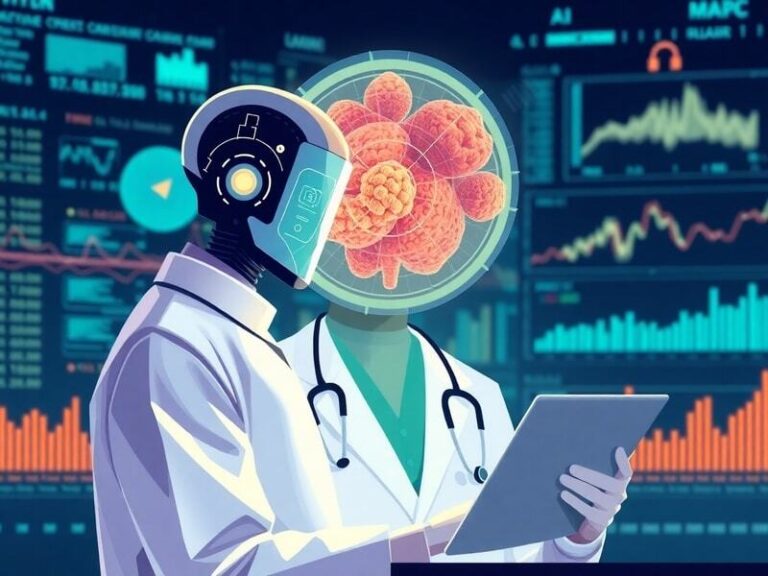
OpenAI’s innovative approaches leverage vast amounts of health data to enhance the efficiency and accuracy of rare disease diagnosis. Here’s how:
- Data Analysis: Machine learning algorithms can analyze large datasets, including genetic information, medical histories, and clinical studies, to identify patterns that may elude human practitioners.
- Natural Language Processing (NLP): NLP tools can sift through unstructured medical literature and patient records to extract relevant information, aiding in the identification of potential diagnoses.
- Predictive Modeling: By employing predictive analytics, AI can forecast disease likelihood based on symptoms and genetic markers, providing a more proactive approach to diagnosis.
Real-World Applications
OpenAI’s breakthroughs have led to several practical applications in the medical field:
- Enhanced Genetic Testing: AI algorithms assist geneticists in interpreting complex genetic data, helping to pinpoint the exact mutations responsible for rare diseases.
- Clinical Decision Support: AI tools are being integrated into electronic health records (EHRs) to provide clinicians with real-time insights and recommendations based on patient data.
- Patient Empowerment: Platforms powered by AI allow patients and families to input symptoms and receive potential diagnoses, fostering greater engagement in their healthcare journey.
Impact on Families and Healthcare Providers
The implications of AI-driven advancements in rare disease diagnosis are profound:
- Shortened Diagnostic Time: Families can obtain answers more quickly, reducing the emotional and financial burden of prolonged uncertainty.
- Informed Decision-Making: With access to accurate diagnoses, families can make better-informed decisions regarding treatment options and care plans.
- Collaborative Care: AI fosters improved communication between healthcare providers, allowing for a more cohesive approach to patient management.
Future Possibilities
As technology continues to evolve, the future of AI in rare disease diagnosis looks promising:
- Wider Data Integration: Future AI systems could integrate even more diverse datasets, including wearable health tech data, to refine diagnostic accuracy further.
- Global Collaboration: AI could facilitate international collaborations in research, pooling data across borders to accelerate the understanding of rare diseases.
- Personalized Medicine: As AI algorithms improve, they may enable the development of personalized treatment plans tailored to the genetic makeup of individual patients.
Conclusion
OpenAI’s advancements in AI technology are paving the way for transformative changes in the diagnosis of rare diseases. By leveraging the power of machine learning and data analysis, families are finding answers to medical mysteries that have long eluded them. As we look to the future, the potential for AI to enhance healthcare continues to grow, promising a more informed, efficient, and compassionate approach to medical diagnosis.