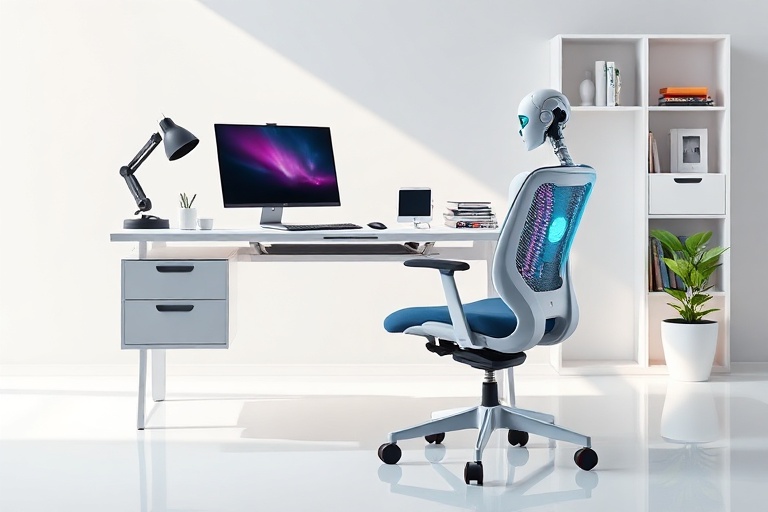
Desk AI: The Future of Ergonomics
As the world increasingly shifts towards remote work and digital interfaces, the importance of ergonomics in the workspace cannot be overstated. Poor posture and prolonged sitting can lead to significant health issues, including musculoskeletal disorders and decreased productivity. Enter Desk AI: a revolutionary blend of artificial intelligence and ergonomic design that promises to monitor and improve posture while you work. In this article, we’ll explore how AI technology is set to transform our working environments, offering practical insights, industry implications, and future possibilities.
The Intersection of AI and Ergonomics
Artificial intelligence is not just about automation; it also encompasses a wide array of technologies designed to enhance human capabilities. When applied to ergonomics, AI can:
- Monitor Posture: Using sensors and cameras, AI systems can analyze an individual’s posture in real-time.
- Provide Real-Time Feedback: These systems can send instant notifications or alerts to remind users to adjust their posture.
- Offer Personalized Recommendations: Leveraging machine learning algorithms, AI can tailor advice based on individual user data, including height, weight, and work habits.
How Desk AI Works
Desk AI typically integrates hardware and software elements to create a seamless ergonomic experience. Here’s a breakdown of its core components:
- Sensors: Embedded sensors in chairs, desks, or wearables collect data on body positioning and movement.
- AI Algorithms: Advanced algorithms analyze the collected data, identifying patterns that indicate poor posture or risk of strain.
- User Interface: This can be a mobile app or desktop application that delivers insights and recommendations to users.
For example, a smart chair equipped with pressure sensors can detect when you are slouching. It might gently provide feedback through vibrations or notifications on your connected device to encourage you to sit upright.
Practical Insights for Users
For individuals looking to enhance their working conditions, Desk AI offers several practical benefits:
- Increased Awareness: Regular feedback helps users become more conscious of their posture, promoting healthier habits.
- Enhanced Comfort: By following AI-generated recommendations, users can reduce discomfort and fatigue associated with poor posture.
- Improved Productivity: A comfortable workspace can lead to improved focus and efficiency, thus benefiting overall performance.
Industry Implications
The integration of Desk AI into workplaces has broad implications for various industries:
- CCorporate Sector: Companies can enhance employee well-being, reducing health-related absences and boosting morale.
- Healthcare: Health professionals can utilize AI tools to monitor patients’ postures and develop personalized rehabilitation programs.
- Ergonomic Product Design: Manufacturers can leverage data from Desk AI systems to create more effective ergonomic products.
Furthermore, as more organizations adopt flexible working arrangements, the need for innovative ergonomic solutions will surge. Desk AI not only addresses current challenges but also anticipates future needs as work environments evolve.
Future Possibilities
Looking ahead, the evolution of Desk AI holds exciting possibilities:
- Integration with VR and AR: Virtual and augmented reality technologies could enhance posture training by providing immersive experiences.
- Wearable Technology: Future developments may see AI integrated into wearables, offering even more precise posture monitoring and feedback.
- Data-Driven Insights: As AI systems gather more data, they could provide organizations with valuable analytics about employee health and productivity trends.
Moreover, the potential for AI to adapt to various working styles means that it can cater to both desk workers and those in more dynamic roles, such as those in manufacturing or healthcare. This opens up a world of possibilities for AI-driven ergonomic solutions that can be tailored to diverse environments.
Conclusion
Desk AI represents a significant leap forward in the pursuit of better ergonomics in the workplace. By harnessing the power of artificial intelligence, we can monitor and improve our posture, leading to healthier and more productive work environments. As technology continues to advance, the integration of AI into ergonomics will not only become a standard practice but also pave the way for innovative solutions to emerging challenges in the modern workspace.