Telegram’s Bot-to-Bot Communication: A New Era of Automation
The rise of chatbots has transformed how businesses interact with customers, but as technology advances, we’re now entering an exciting phase: bot-to-bot communication. Telegram, a popular messaging platform, is leading the charge by allowing bots to communicate with one another in real time. This development opens the door to new possibilities for automation, efficiency, and innovation.
Understanding Bot-to-Bot Communication
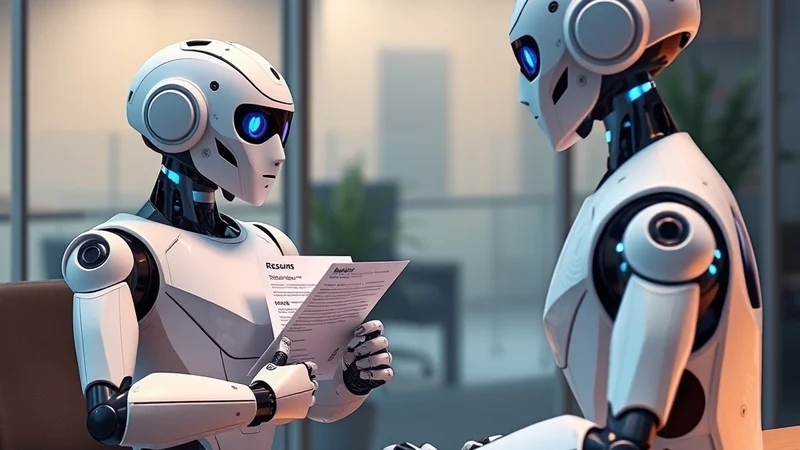
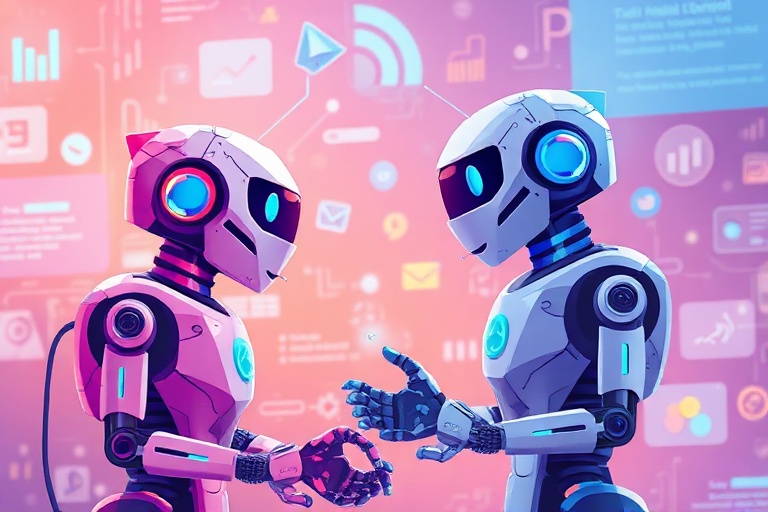
Bot-to-bot communication refers to the ability of different bots to interact, share information, and collaborate autonomously. In the context of Telegram, this means that various bots can send messages, exchange data, and even trigger actions without human intervention. The implications of this technology are profound and multifaceted.
Key Features of Telegram’s Bot-to-Bot Communication
Telegram’s implementation of bot-to-bot communication is characterized by several important features:
- Real-Time Interaction: Bots can exchange messages instantly, facilitating quicker responses and actions.
- Interoperability: Different bots can work together, regardless of their individual functionalities or purposes.
- Automation: Tasks that require multiple bots can be automated, reducing the need for human oversight.
- Data Exchange: Bots can share data seamlessly, improving the accuracy and relevance of responses.
Practical Insights into Bot-to-Bot Communication
The practical applications of bot-to-bot communication are vast. Here are some areas where this technology can make a significant impact:
- Customer Support: Imagine multiple customer service bots working together to resolve an issue. One bot could gather initial information, while another checks inventory and a third processes the order.
- Marketing Automation: Bots can collaborate to automate marketing tasks, such as sending personalized messages based on customer behavior and preferences.
- Data Analysis: Bots can communicate to gather and analyze data, providing businesses with real-time insights into customer trends and behaviors.
- IoT Integration: With the rise of Internet of Things (IoT) devices, bots can coordinate with each other to manage smart home systems or industrial applications more efficiently.
Industry Implications
The implications of bot-to-bot communication extend beyond individual businesses. Entire industries could be transformed as automation becomes more sophisticated. Here are some key areas of impact:
- Enhanced Productivity: By automating repetitive tasks, businesses can focus on higher-value activities, leading to increased productivity.
- Cost Reduction: With bots handling more tasks, companies can save on labor costs and reduce the likelihood of human error.
- Improved Customer Experience: Faster response times and personalized interactions can significantly enhance customer satisfaction.
- New Business Models: As bot-to-bot communication evolves, entirely new business models may emerge, focusing on automated services and solutions.
Future Possibilities
Looking ahead, the future of bot-to-bot communication presents exciting possibilities:
- AI-Driven Interactions: As AI continues to advance, bots may evolve from simple task executors to intelligent agents capable of making decisions and learning from interactions.
- Cross-Platform Communication: The potential for bots to communicate across different platforms could lead to a more integrated digital ecosystem.
- Enhanced Security Measures: With increased communication, robust security protocols will be essential to prevent unauthorized access and data breaches.
- Regulatory Challenges: As bot interactions become more complex, regulatory frameworks may need to adapt to address ethical considerations and data privacy.
In conclusion, Telegram’s bot-to-bot communication is not just a technological advancement; it represents a paradigm shift in how we perceive automation. The implications for businesses and industries are profound, paving the way for innovation and efficiency. As this technology develops, we can expect to witness a new era of automation that redefines our interactions with digital systems.