FLUX 3: The Future of Multimodal AI
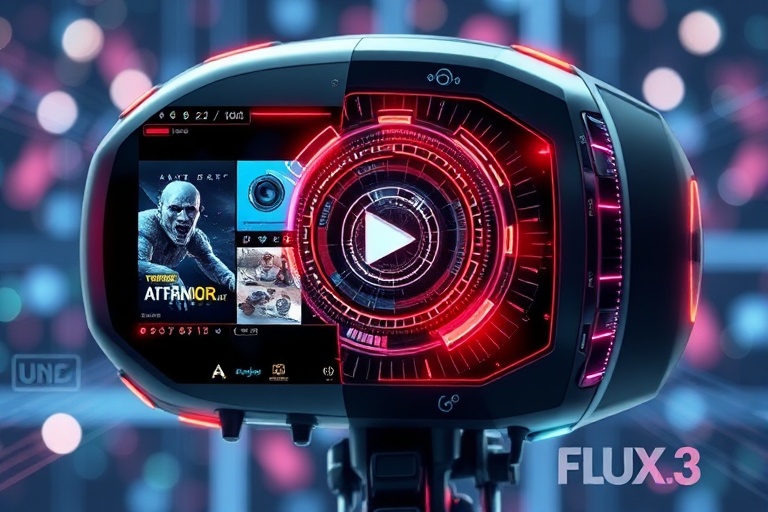
The advent of artificial intelligence has already transformed various industries, from healthcare to finance. However, the latest innovation, FLUX 3, is set to revolutionize the landscape of multimodal AI. This groundbreaking model integrates image, video, and audio generation, offering a comprehensive solution that can enhance the capabilities of robotic applications. In this article, we will explore the implications of FLUX 3, its practical applications, and its potential to shape the future of technology.
Understanding Multimodal AI
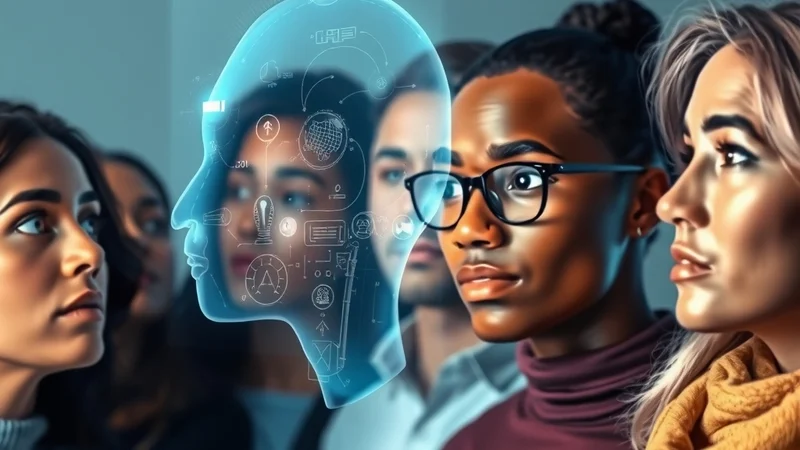
Multimodal AI refers to systems that can process and generate multiple forms of data, such as text, images, audio, and video. Traditional AI models often specialize in one modality, limiting their versatility. FLUX 3, however, takes a holistic approach, allowing it to create and interpret complex data interactions.
Core Features of FLUX 3
FLUX 3 stands out due to several innovative features:
- Unified Architecture: Unlike previous models that rely on separate pipelines for different data types, FLUX 3 employs a unified architecture. This enables seamless data integration, enhancing efficiency.
- Advanced Generative Capabilities: The model can generate high-quality images, videos, and audio, making it suitable for diverse applications, from entertainment to education.
- Contextual Understanding: FLUX 3 leverages contextual data to produce outputs that are not only relevant but also nuanced. This allows for more meaningful interactions between machines and users.
Practical Insights and Applications
The implications of FLUX 3 are vast and varied. Here are some key applications:
- Robotics: With its multimodal capabilities, FLUX 3 can enhance robotic perception and interaction. Robots equipped with this technology can analyze visual and auditory cues, enabling them to understand their environment better and respond appropriately.
- Content Creation: FLUX 3 can be a game-changer in the creative industries. It can assist artists and designers in generating unique visual and audio content, streamlining the creative process.
- Education: In educational settings, FLUX 3 can personalize learning experiences by generating tailored multimedia content that caters to different learning styles.
- Healthcare: This technology can aid in medical training through realistic simulations that incorporate visual and auditory feedback, improving the skills of healthcare professionals.
Industry Implications
The introduction of FLUX 3 will likely reshape various industries significantly:
- Increased Collaboration: As industries adopt multimodal AI, collaboration across sectors will become more prevalent. For instance, entertainment and education industries can work together to create immersive learning experiences.
- Enhanced User Experience: The ability to generate rich multimedia experiences will lead to more engaging applications, improving user satisfaction and retention.
- Job Transformation: While FLUX 3 may automate certain tasks, it will also create new job opportunities in AI development, content creation, and robotics maintenance.
Future Possibilities
The future potential of FLUX 3 is immense. Here are some possibilities we can anticipate:
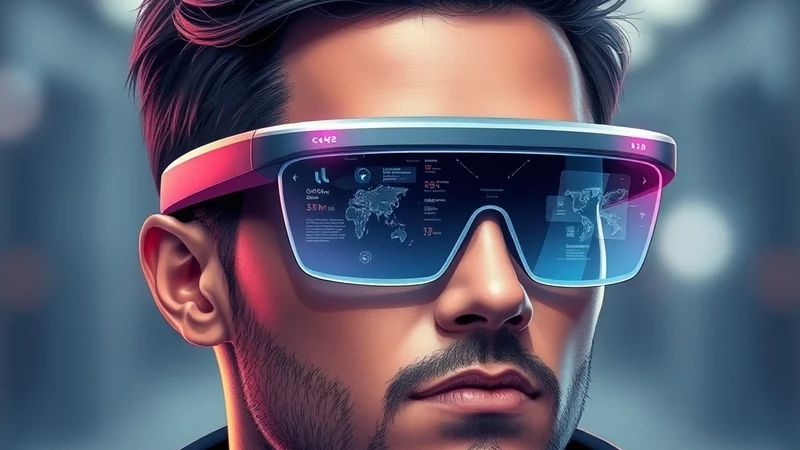
- Integration with Augmented and Virtual Reality: FLUX 3 could power AR and VR experiences, creating lifelike simulations that blend real and virtual worlds.
- Personal Assistants: Imagine personal AI assistants that can not only respond to voice commands but also recognize emotions through facial expressions and tone of voice.
- Smart Environments: FLUX 3 could enable smart homes and cities to interact more intelligently with inhabitants, offering personalized services based on multimodal inputs.
As FLUX 3 continues to evolve, its potential applications will become clearer. The integration of multimodal AI represents a significant leap forward in technology, paving the way for innovations that we have yet to fully imagine.
In conclusion, FLUX 3 is not just a technological advancement; it is a harbinger of a new era in artificial intelligence. By merging image, video, and audio generation, it opens up a world of possibilities for industries and applications that can significantly improve our everyday lives.