Gemini’s Live Translation: Breaking Language Barriers in Real Time
In an increasingly interconnected world, effective communication across different languages has become paramount. Gemini, a pioneering technology firm, has introduced a groundbreaking live translation feature that promises to revolutionize how we communicate. By leveraging advanced artificial intelligence, Gemini’s new technology enables real-time translation across 70+ languages, effectively bridging the communication gap between individuals from diverse linguistic backgrounds.
The Technology Behind Gemini’s Live Translation
At the core of Gemini’s live translation technology lies a sophisticated blend of natural language processing (NLP) and machine learning algorithms. This powerful combination allows the system to understand context, idiomatic expressions, and even cultural nuances, which are often lost in traditional translation methods. Here’s how it works:
- Continuous Learning: The AI model continuously evolves by learning from user interactions and feedback, enhancing its translation accuracy over time.
- Contextual Understanding: Unlike conventional translation engines, Gemini’s system can grasp the context of conversations, making translations more relevant and fluid.
- Multi-Language Support: With support for over 70 languages, Gemini caters to a vast audience, providing users with the ability to communicate globally.
Practical Insights for Users
For individuals and businesses alike, Gemini’s live translation technology presents a myriad of practical applications:
- Travel and Tourism: Travelers can communicate effortlessly with locals, enhancing their experience and fostering cultural exchange.
- Customer Support: Businesses can offer multilingual support, catering to a broader customer base and improving customer satisfaction.
- Remote Work: Teams spread across various countries can collaborate seamlessly, breaking down the barriers that often hinder productivity in a multicultural environment.
Industry Implications
The introduction of Gemini’s live translation technology carries significant implications for various industries:
- Healthcare: Medical professionals can communicate with patients who speak different languages, ensuring better diagnosis and treatment.
- Education: Educational institutions can provide resources in multiple languages, making learning accessible for international students.
- International Business: Companies can expand their reach into non-English speaking markets, enhancing global trade opportunities.
Moreover, the ability to communicate without language barriers can lead to stronger relationships, fostering cooperation and understanding in international affairs.
Future Possibilities
As technology continues to evolve, the possibilities for Gemini’s live translation feature are boundless:
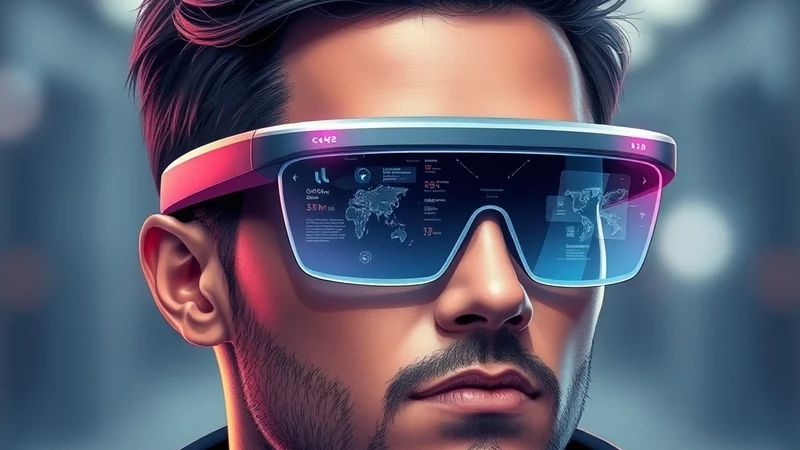
- Integration with Augmented Reality (AR): Future developments could see live translations overlaid in AR environments, providing real-time communication in immersive settings.
- Voice Recognition Enhancements: Improvements in voice recognition can lead to more accurate translations, particularly in noisy environments.
- AI-Powered Personal Assistants: Imagine a personal assistant that can translate conversations in real time, making meetings across different languages effortless.
As Gemini continues to refine its technology, the prospect of instantaneous, accurate communication across languages becomes not just a dream but a reality. This innovation will undoubtedly shape the future of global interactions, making the world a more connected place.
Conclusion
Gemini’s live translation technology marks a significant milestone in the field of artificial intelligence and communication. By breaking down language barriers in real time, it opens up new avenues for collaboration, understanding, and cultural exchange. As we look to the future, the potential for this technology to further enhance human interaction is immense, promising a world where language is no longer a barrier but a bridge to new opportunities.