Humanoids at Work: The Future of Autonomous Labor
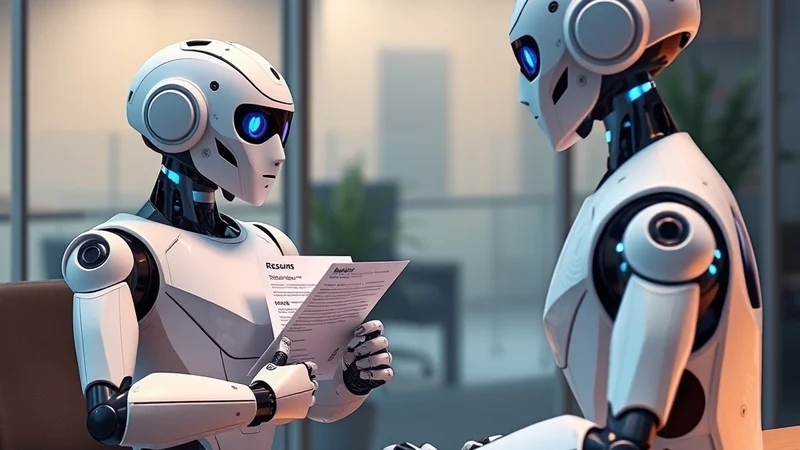
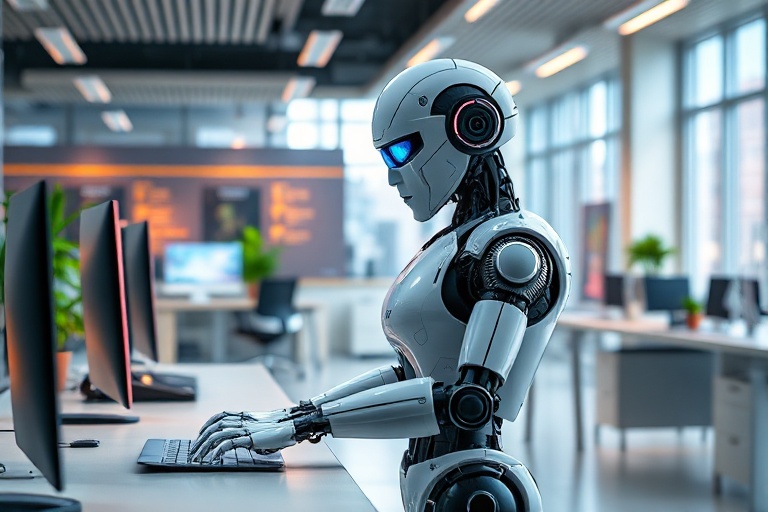
The concept of robots working alongside humans has transitioned from science fiction to reality, as advances in artificial intelligence (AI) and robotics continue to evolve. Recent livestreamed performances showcasing robots executing an 8-hour workday without human intervention have sparked discussions about the future of autonomous labor. This article explores the implications of this innovation, practical insights for industries, and future possibilities of humanoids in the workplace.
The Rise of Autonomous Robots
Autonomous robots, designed to perform tasks independently, have found applications across various sectors. Their ability to operate without direct human oversight not only enhances productivity but also reshapes the labor landscape. Key advancements in technology have contributed to their rise:
- Machine Learning: Algorithms enable robots to learn from experience, improving their efficiency over time.
- Computer Vision: Robots can navigate their environments and perform complex tasks by interpreting visual data.
- Natural Language Processing (NLP): This allows robots to communicate and understand commands, making them more user-friendly.
Livestreamed Performances: A Window into the Future
The recent livestreams of robots completing an 8-hour workday provide a fascinating glimpse into the capabilities of autonomous labor. These performances, often conducted in controlled environments like warehouses or factories, highlight several aspects:
- Efficiency: Robots can work continuously without breaks, fatigue, or distractions, completing tasks at a consistent pace.
- Flexibility: Many robots can adapt to different tasks, allowing for versatility in operations.
- Real-time Monitoring: Live feeds allow for monitoring performance and troubleshooting, ensuring optimal operation.
Viewers are not only intrigued by the technology but also consider the implications of replacing human labor with machines. As these livestreams become more common, they challenge traditional concepts of work and productivity.
Industry Implications
The integration of humanoids in the workforce poses numerous implications for various industries. Here are some of the most prominent sectors affected:
- Manufacturing: Robots are already prevalent in manufacturing, performing tasks such as assembly and quality control. Autonomous robots can further streamline these processes, leading to higher output and lower costs.
- Logistics: In warehouses, robots can handle inventory management and order fulfillment, reducing human error and increasing speed.
- Healthcare: Robots can assist in surgeries or care for patients, allowing human professionals to focus on more complex tasks.
- Customer Service: AI-driven robots can provide support in retail environments, answering customer inquiries and managing transactions.
As these robots become more prevalent, businesses must consider how to integrate them into their existing workflows. The potential for increased productivity must be balanced with the need for human oversight and the ethical implications of workforce displacement.
Challenges and Considerations
While the future of autonomous labor appears promising, several challenges remain. Organizations must navigate:
- Job Displacement: As robots take over manual tasks, there is a risk of significant job losses, particularly in low-skill sectors.
- Ethical Concerns: The use of autonomous robots raises questions about accountability, especially in sectors like healthcare.
- Security Risks: Cybersecurity becomes a crucial concern as robots are integrated into critical infrastructure and supply chains.
Preparing for the Future
To ensure a smooth transition to an autonomous workforce, businesses and policymakers must take proactive steps:
- Upskilling Workers: Providing training for employees to work alongside robots can mitigate job loss and foster collaboration.
- Developing Ethical Guidelines: Establishing frameworks for the use of AI and robotics can help address ethical concerns.
- Investing in Cybersecurity: Ensuring that systems are secure against potential cyber threats is paramount.
Future Possibilities
As technology continues to advance, the potential for humanoids in the workplace will expand. Future possibilities include:
- Enhanced Collaboration: Robots and humans will likely work together more seamlessly, with AI systems learning to understand human emotions and reactions.
- Remote Work Integration: The rise of remote work may lead to the development of robots that can assist employees in home environments.
- Personalized Services: As AI becomes more sophisticated, robots may provide tailored services in various sectors, enhancing customer experiences.
In conclusion, the livestreamed performances of robots completing an 8-hour workday serve as a compelling example of the future of autonomous labor. While the implications for industries are vast, careful consideration of challenges and ethical considerations is essential. As we venture further into this new era, the fusion of AI technology and human labor will undoubtedly shape the workforce of tomorrow.