Mark II: The AI Bookmark That Remembers
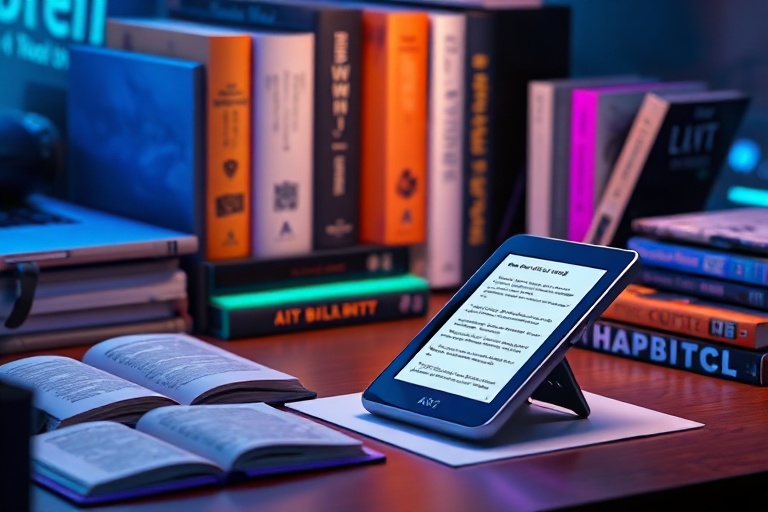
In our fast-paced digital world, where information is abundant and attention spans are fleeting, the need for tools that enhance our ability to learn and retain knowledge has never been greater. Enter Mark II, a revolutionary smart bookmark that promises to change the way we interact with reading materials. This innovative device not only marks your place in a book but also syncs notes and highlights to create a searchable library of your literary journey. Let’s explore how this technology works, its implications for various fields, and what the future holds for such innovations.
How Mark II Works
The Mark II bookmark utilizes advanced artificial intelligence and machine learning algorithms to enhance the reading experience. Here’s a breakdown of its key features:
- Smart Syncing: The device connects to your smartphone or tablet via an app, allowing for seamless syncing of notes and highlights across multiple devices.
- Searchable Library: With the power of AI, Mark II organizes your highlights and notes, making them easily searchable. This means no more flipping through pages to find that one insightful thought.
- Interactive Learning: Users can create summaries and flashcards directly from their notes, making it easier to study and retain information.
- Contextual Insights: By leveraging natural language processing (NLP), Mark II can suggest related articles or books based on your notes, enhancing your reading journey.
Practical Insights
For students and professionals alike, Mark II offers practical benefits:
- Enhanced Study Sessions: Students can quickly access their notes and highlights, making study sessions more efficient.
- Improved Knowledge Retention: The ability to revisit key points and concepts can significantly enhance long-term retention of information.
- Time-Saving: Users save time searching for specific pieces of information, allowing for more productive reading and studying.
Industry Implications
The introduction of smart devices like Mark II is indicative of a larger trend toward integrating AI into everyday tools. Here are a few industry implications:
- Education: As educational institutions increasingly adopt technology in classrooms, tools like Mark II can complement traditional learning methods, making education more interactive and personalized.
- Publishing: Publishers may find new ways to engage readers through digital platforms, potentially creating opportunities for enhanced marketing strategies that utilize reader data.
- Productivity Tools: The rise of AI-driven productivity tools will likely lead to a reevaluation of how we manage information, prompting more innovations in the space.
Future Possibilities
The potential future applications of Mark II and similar technologies are exciting. Here are a few possibilities:
- Integration with Other AI Tools: Future iterations could integrate with other AI-powered applications, such as virtual assistants, to create a more cohesive learning ecosystem.
- Augmented Reality (AR): Imagine reading a book while being able to view interactive AR content that brings the text to life, all synced with your Mark II.
- Collaboration Features: The ability to share notes and highlights with peers could foster collaborative learning environments, benefiting group studies and discussions.
- Personalized Recommendations: Advanced algorithms could offer personalized reading lists based on user behavior and preferences, making it easier to discover new content.
Conclusion
Mark II represents a significant leap forward in how we engage with literature and learning. By combining the power of artificial intelligence with the simplicity of a bookmark, this innovative tool not only enhances productivity but also enriches the reading experience. As we look forward to a future where technology continues to augment our capabilities, tools like Mark II may very well redefine the way we consume and retain knowledge.