Innovative Modular Robot Arm Enhances AI Interaction
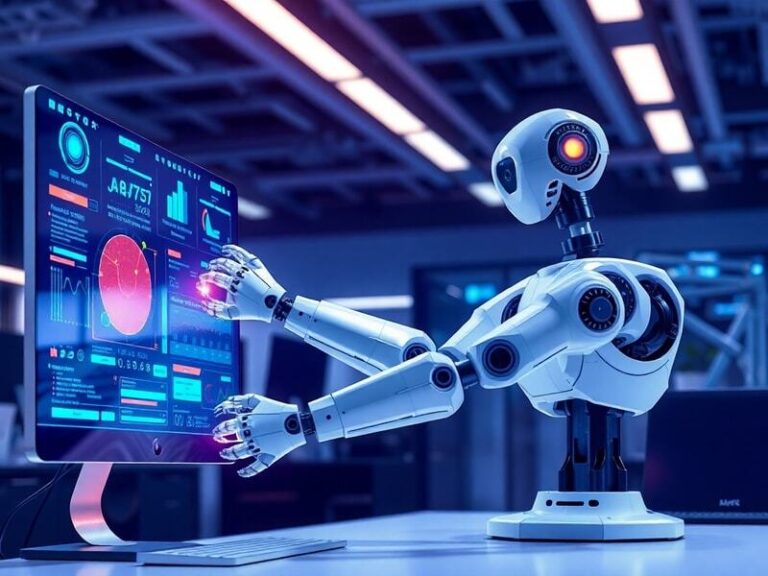
In the rapidly evolving landscape of artificial intelligence and robotics, a remarkable innovation has emerged: a modular robot arm designed to perform physical tasks in collaboration with AI technology. This revolutionary robotic assistant not only enhances human capabilities but also redefines the way we interact with machines. In this article, we will explore the features of this innovative robot arm, its practical applications, industry implications, and the future possibilities it presents.
Understanding the Modular Robot Arm
The modular robot arm is engineered to be adaptable and versatile, allowing it to perform a wide range of tasks. Key features include:
- Modularity: The robot arm consists of interchangeable components, enabling users to customize it for specific tasks.
- AI Integration: Equipped with advanced AI algorithms, the arm can learn from its interactions and improve its performance over time.
- Real-Time Feedback: Sensors embedded in the arm provide real-time data, allowing for dynamic adjustments during operations.
- User-Friendly Interface: The system is designed for ease of use, enabling individuals with minimal technical expertise to operate it effectively.
Practical Insights and Applications
The modular robot arm can be employed across various sectors, enhancing productivity and efficiency. Here are some practical insights into its applications:
- Manufacturing: In industrial settings, the robotic arm can undertake repetitive tasks, such as assembly line work, reducing human error and increasing output.
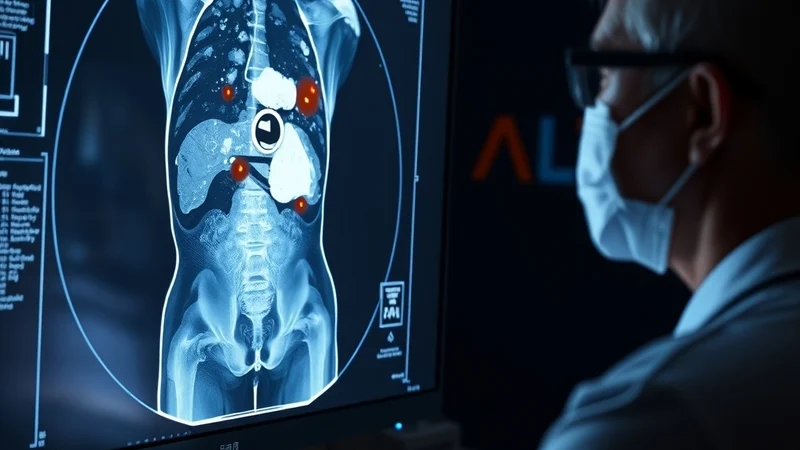
- Healthcare: The arm can assist in surgeries or rehabilitation, performing precise movements that augment the capabilities of medical professionals.
- Logistics: In warehouses, the arm can handle inventory management, streamlining the supply chain process and minimizing downtime.
- Research and Development: Researchers can utilize the robot arm for experiments that require precision and consistency, enhancing the quality of their findings.
Industry Implications
The introduction of this innovative modular robot arm has significant implications for various industries:
- Workforce Transformation: As robots take on more physical tasks, the human workforce will shift towards roles that require creativity, problem-solving, and emotional intelligence.
- Cost Efficiency: Companies can achieve higher productivity levels with reduced operational costs, allowing them to reinvest in innovation and growth.
- Safety Enhancements: By assigning dangerous or strenuous tasks to robots, workplaces can reduce the risk of injuries, creating a safer environment for human workers.
Future Possibilities
The future of the modular robot arm is promising, with several possibilities on the horizon:
- Enhanced AI Learning: Future iterations of the arm could incorporate more sophisticated AI capabilities, enabling it to learn from a broader range of experiences and improve its function autonomously.
- Collaborative Robotics: The integration of multiple robot arms working together could lead to more complex and efficient operations, particularly in manufacturing and logistics.
- Global Accessibility: As the technology becomes more affordable, small businesses and startups could leverage robotic assistance, democratizing access to advanced technology.
- Sustainability Initiatives: Modular robots could be designed with eco-friendly materials and energy-efficient systems, contributing to sustainability efforts across industries.
As we stand on the brink of a new era in robotics, the modular robot arm exemplifies the potential of AI and machine learning to transform industries and enhance human capabilities. With its adaptable design and intelligent integration, it sets the stage for a future where human-robot collaboration is commonplace, creating new opportunities and redefining the boundaries of innovation.