Kimi K2.6: The Future of Coordinated AI Agents
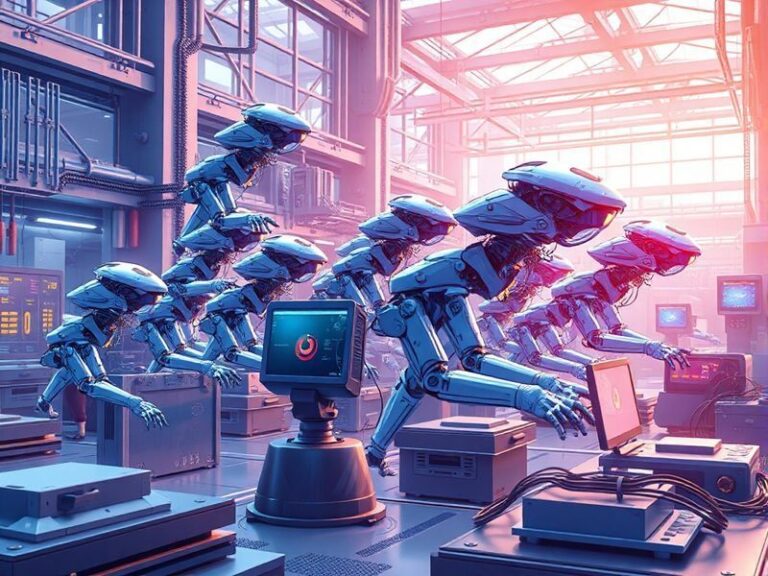
In an era where artificial intelligence is rapidly evolving, the emergence of Kimi K2.6 marks a significant leap forward in the capabilities of coordinated AI agents. With the ability to manage swarms of up to 300 agents executing thousands of tasks simultaneously, this cutting-edge technology showcases both the potential and the future of AI in various industries.
Understanding Kimi K2.6
Kimi K2.6 is a sophisticated framework designed to facilitate the coordination and collaboration of multiple AI agents. Each agent operates with a degree of autonomy but can also communicate and work together to tackle complex tasks that require collective intelligence. This approach enables Kimi K2.6 to excel in environments that demand rapid adaptability and efficient resource allocation.
Key Capabilities of Kimi K2.6
- Scalability: The system can seamlessly scale from a few agents to hundreds, allowing for dynamic task allocation based on real-time needs.
- Real-time Communication: Agents are equipped with advanced communication protocols that enable them to share information quickly and effectively.
- Task Specialization: Each agent can be programmed to specialize in different tasks, ensuring that the swarm can handle a wide variety of challenges simultaneously.
- Adaptive Learning: Kimi K2.6 incorporates machine learning algorithms that allow agents to learn from past experiences and improve their performance over time.
Practical Insights and Industry Implications
The introduction of Kimi K2.6 opens up a plethora of possibilities across various sectors, including:
Agriculture
In agriculture, Kimi K2.6 can coordinate drones for precision farming. These agents can monitor crop health, optimize resource usage, and even autonomously manage planting and harvesting operations.
Manufacturing
In manufacturing, coordinated swarms of robots can enhance production lines by performing tasks such as assembly, quality control, and inventory management with unprecedented efficiency.
Healthcare
In healthcare, Kimi K2.6 can facilitate the coordination of medical equipment, assist in surgeries, and manage patient flow in hospitals, leading to improved outcomes and reduced costs.
Logistics
In logistics, AI agents can optimize delivery routes, manage warehouse operations, and track inventory levels, ultimately enhancing supply chain efficiency.
Future Possibilities
The future of Kimi K2.6 and coordinated AI agents is promising and multifaceted. Here are some potential developments:
- Enhanced Collaboration: Future iterations of Kimi K2.6 may enable even more sophisticated interactions between agents, allowing them to tackle highly complex tasks that require deep collaboration.
- Integration with IoT: The potential integration of Kimi K2.6 with the Internet of Things (IoT) could lead to smarter environments where AI agents manage connected devices in real-time.
- Ethical Considerations: As with any powerful technology, ethical considerations will be paramount. The industry must address issues related to privacy, security, and the potential for job displacement.
- Global Collaboration: Kimi K2.6 could facilitate international cooperation in addressing global challenges such as climate change, pandemics, and resource management through coordinated efforts.
Conclusion
The Kimi K2.6 framework represents a significant advancement in the field of artificial intelligence, showcasing the potential of coordinated AI agents to revolutionize various industries. As we look to the future, the implications of this technology are vast, promising to enhance productivity, efficiency, and even our quality of life. For tech enthusiasts and professionals alike, Kimi K2.6 is a beacon of what’s possible with AI and serves as a stepping stone toward a more interconnected and intelligent world.