OpenAI Introduces GPT-Live: Real-time Interactions with AI that Enhance User Experience and Engagement
In an era where artificial intelligence is rapidly transforming the way we communicate, work, and interact, OpenAI has taken a significant leap forward with the introduction of GPT-Live. This groundbreaking technology enables real-time interactions with AI, fostering enhanced user experience and engagement. As the demand for immediate responses and personalized interactions grows, GPT-Live positions itself as a game-changer in the AI landscape.
The Concept of GPT-Live
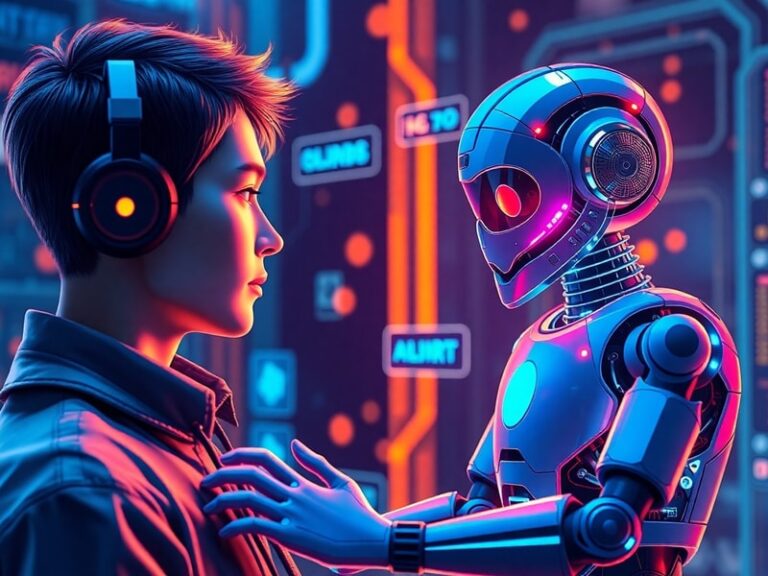
At its core, GPT-Live is designed to facilitate live conversations between users and AI systems. Unlike traditional models that process inputs and provide outputs in batch modes, GPT-Live operates in real-time, allowing for dynamic exchanges that mimic human-like dialogue. This advancement leverages sophisticated algorithms and vast datasets to ensure that interactions are not only relevant but also contextually aware.
Key Features of GPT-Live
- Real-Time Processing: GPT-Live can analyze and respond to user inputs instantly, creating a seamless conversation flow.
- Contextual Awareness: The model retains context throughout interactions, enabling follow-up questions and deeper discussions.
- Personalization: It adapts responses based on user preferences, past interactions, and specific queries.
- Multimodal Capabilities: GPT-Live can incorporate text, voice, and even visual inputs, broadening the scope of engagement.
- Scalability: It can handle numerous interactions simultaneously, making it suitable for applications ranging from customer support to educational tools.
Practical Insights for Implementation
For businesses and developers looking to integrate GPT-Live, several practical insights can enhance implementation:
- Identify Use Cases: Determine the specific applications where real-time AI interactions will add value, such as customer service, virtual assistants, or interactive learning platforms.
- Feedback Mechanisms: Implement systems to gather user feedback continuously, allowing for the model to improve and adapt over time.
- Training Data: Ensure that the model is trained on diverse datasets to handle a wide range of queries and contexts effectively.
- Privacy Considerations: Prioritize user data protection and transparency, outlining how data is used and stored in compliance with regulations.
- Monitoring Performance: Regularly assess the AI’s performance to ensure it meets user expectations and addresses any emerging issues promptly.
Industry Implications
The introduction of GPT-Live has far-reaching implications across various industries:
- Customer Support: Companies can enhance customer satisfaction by providing instant responses to inquiries, reducing wait times significantly.
- Education: In educational settings, GPT-Live can serve as a tutor, providing students with immediate help and personalized learning experiences.
- Healthcare: In the healthcare sector, it can assist patients in navigating information, scheduling appointments, and answering medical queries in real-time.
- Entertainment: The gaming and entertainment industries can utilize GPT-Live to create interactive narratives, where players engage with characters in real-time.
The Future of Real-Time AI Interactions
Looking ahead, the potential for GPT-Live and similar technologies is immense. As AI continues to evolve, we can expect:
- Increased Adoption: More organizations will recognize the value of real-time AI interactions, leading to widespread implementation across sectors.
- Enhanced Human-AI Collaboration: As AI becomes more intuitive, the collaboration between humans and machines will deepen, leading to innovative solutions and efficiencies.
- Continuous Learning: With advancements in machine learning, AI systems will become even more adept at learning from every interaction, further personalizing experiences.
- Ethical Considerations: As real-time AI becomes ubiquitous, discussions around ethics, bias, and accountability will be crucial, ensuring responsible use of technology.
In summary, OpenAI’s GPT-Live represents a significant advancement in the field of artificial intelligence, providing the capability for real-time interactions that enhance user experience and engagement. As industries adapt to this technology, the landscape of communication and interaction will undoubtedly transform, paving the way for a future where AI becomes an integral part of our daily lives.