xAI Rebrands to SpaceXAI: A New Era of AI Integration
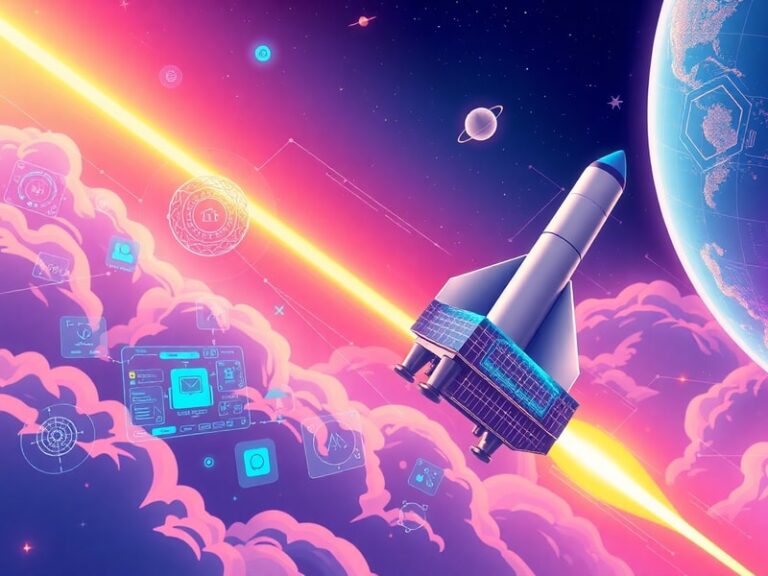
In a groundbreaking move that has captured the attention of the tech world, xAI, Elon Musk’s ambitious artificial intelligence lab, has officially rebranded to SpaceXAI. This transition not only symbolizes a new identity but also signifies a profound shift in the way artificial intelligence will be integrated with emerging space technologies. As the realms of AI and aerospace converge, the implications for both industries are vast and compelling.
The Genesis of SpaceXAI
Founded with the vision to understand and develop artificial intelligence in a safe and beneficial manner, xAI has made significant strides in the AI landscape since its inception. However, the rebranding to SpaceXAI marks a pivotal moment in its journey. This merger is more than just a name change; it represents a strategic alignment with SpaceX, the aerospace manufacturer and space transportation company also founded by Musk.
- Enhanced Collaboration: The merger allows for a seamless collaboration between AI researchers and aerospace engineers, fostering innovation and creativity.
- Shared Resources: Combining resources will accelerate the development of AI technologies that can be deployed in space exploration and related fields.
- Focus on Safety: With Musk’s emphasis on ensuring that AI benefits humanity, SpaceXAI will prioritize the ethical implications of AI in high-stakes environments like space travel.
Practical Insights into AI Integration
The integration of AI and space technology opens up numerous practical avenues:
- Autonomous Spacecraft: SpaceXAI can leverage AI to develop autonomous spacecraft capable of navigating complex environments, such as Mars, without human intervention.
- Data Analysis: AI can process vast amounts of data collected from space missions, enhancing our understanding of other planets, asteroids, and the cosmos.
- Resource Management: AI algorithms can optimize resource usage on long-duration space missions, ensuring that supplies are used efficiently.
Industry Implications
The merger of xAI and SpaceX is poised to disrupt multiple industries beyond just aerospace:
- Aerospace Innovation: The aerospace sector can expect rapid advancements in AI-driven technologies, making space exploration more efficient and cost-effective.
- AI Development: The partnership will likely lead to new AI frameworks tailored for the unique challenges of space missions, influencing the broader field of AI development.
- Cross-Industry Applications: The technologies developed could find applications in other fields, such as logistics, transportation, and emergency response systems.
Future Possibilities
Looking ahead, the potential for SpaceXAI is immense. Here are several future possibilities that could arise from this merger:
- Interplanetary Communication Systems: AI can be instrumental in developing advanced communication technologies for reliable contact between Earth and other planets.
- AI-Powered Robotics: The use of AI in robotics could revolutionize how humans interact with environments in space, enabling more complex tasks to be performed by robots.
- Enhanced Safety Protocols: AI can help create sophisticated safety measures that predict and mitigate potential hazards during space travel.
Conclusion
As SpaceXAI embarks on this new chapter, the intersection of artificial intelligence and aerospace engineering promises to redefine our approach to space exploration. With Elon Musk at the helm, the commitment to innovation and safety will drive the development of technologies that not only push the boundaries of what’s possible in space but also set new standards in AI ethics and application.
In a world where technology is rapidly evolving, the merger of xAI and SpaceX is a bold statement about the future of innovation. As we look to the stars, it is clear that AI will play a crucial role in our journey toward becoming an interplanetary species.