The Rise of AI Personal Assistants
Artificial intelligence (AI) has rapidly transformed the way we interact with technology, particularly in the realm of personal assistants. From simple local companions to sophisticated task managers, AI personal assistants have evolved significantly, reshaping our daily lives and workflows. This article explores the journey of AI personal assistants, their current capabilities, and future implications.
The Evolution of AI Personal Assistants
The evolution of AI personal assistants can be traced back to early attempts at creating user-friendly technology. Initially, these assistants were rudimentary, designed primarily for basic tasks such as setting reminders or providing weather updates. As advancements in machine learning, natural language processing (NLP), and voice recognition emerged, the capabilities of these assistants expanded dramatically.
- Early Stages: The first AI assistants, like Microsoft’s Clippy, were often more of a nuisance than a help, lacking the sophistication necessary for effective interaction.
- Breakthroughs in NLP: The introduction of more advanced NLP algorithms enabled assistants to understand and respond to human language with greater accuracy, paving the way for products like Apple’s Siri, Amazon’s Alexa, and Google Assistant.
- Integration with IoT: The rise of the Internet of Things (IoT) further enhanced the functionality of AI assistants, allowing them to control smart home devices and integrate seamlessly into users’ environments.
Current Capabilities of AI Personal Assistants
Today’s AI personal assistants are equipped with a plethora of features that enhance their utility. They are no longer just voice-activated tools; they have become integral components of our daily lives.
- Task Management: AI assistants can schedule appointments, send reminders, and manage to-do lists, allowing users to organize their day effortlessly.
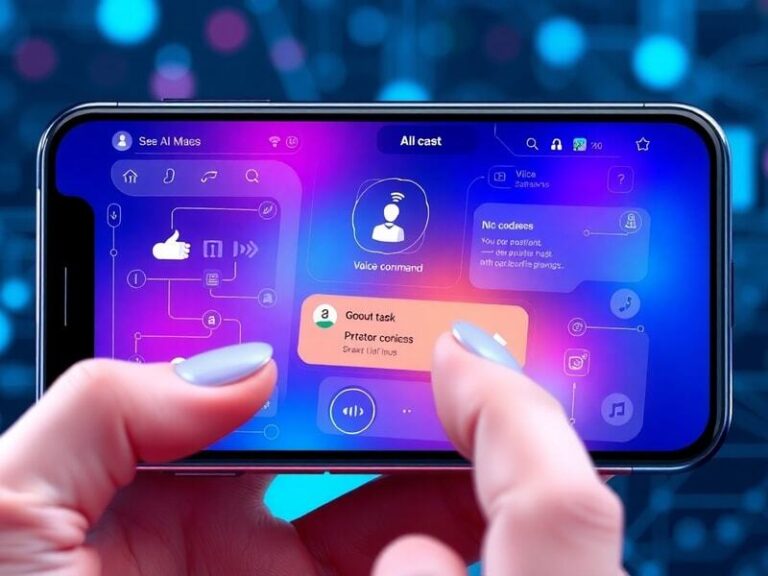
- Smart Home Control: Users can control lighting, heating, and security systems through voice commands, creating a more efficient and comfortable living environment.
- Personalized Recommendations: Leveraging machine learning algorithms, these assistants analyze user behavior and preferences to provide tailored suggestions for shopping, dining, and entertainment.
- Information Retrieval: AI assistants can access and summarize vast amounts of information, answering questions and providing insights in real-time.
Practical Insights for Users and Businesses
Implementing AI personal assistants can yield significant benefits for both individual users and businesses. Here are some practical insights:
- Enhancing Productivity: By automating routine tasks, AI assistants free up valuable time for users, allowing them to focus on more strategic activities.
- Improving Customer Service: Businesses can utilize AI assistants for customer inquiries, providing instant responses and improving customer satisfaction.
- Data-Driven Decisions: AI assistants can analyze user data to identify trends and patterns, empowering businesses to make informed decisions.
- Cost Savings: Implementing AI personal assistants can reduce operational costs by minimizing the need for human intervention in routine tasks.
Industry Implications
The rise of AI personal assistants is reshaping various industries, influencing how companies operate and compete. Key implications include:
- Healthcare: AI assistants are being integrated into telemedicine services, providing patients with immediate support and information.
- Education: Educational institutions are adopting AI personal assistants to offer personalized learning experiences and administrative support.
- Retail: Retailers are leveraging AI assistants to enhance customer interactions, streamline operations, and personalize marketing efforts.
The Future of AI Personal Assistants
Looking ahead, the future of AI personal assistants appears promising, with several trends on the horizon:
- Increased Personalization: Future AI assistants will utilize deeper insights from user data to provide even more tailored experiences.
- Enhanced Emotional Intelligence: Advancements in affective computing may enable assistants to recognize and respond to human emotions, creating more empathetic interactions.
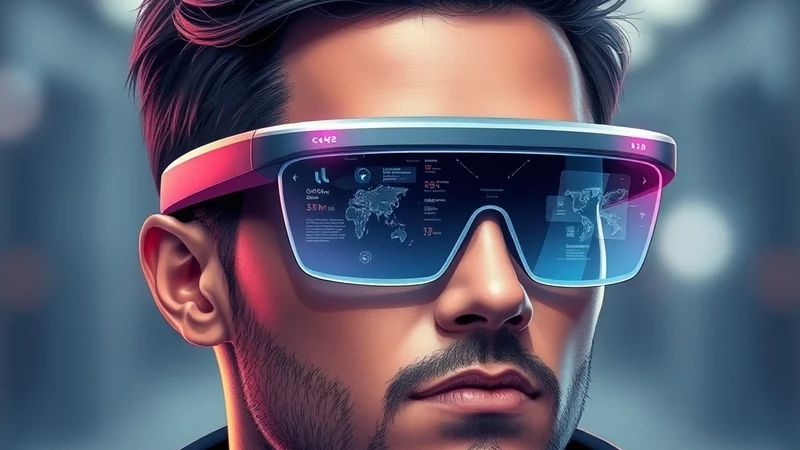
- Integration with Augmented Reality (AR): The combination of AI personal assistants with AR technologies could lead to immersive experiences that enhance learning and productivity.
- Greater Autonomy: As AI systems become more sophisticated, personal assistants may take on more proactive roles, anticipating user needs before they are explicitly stated.
In conclusion, AI personal assistants have come a long way from their humble beginnings. Their evolution reflects the rapid advancements in technology and our growing reliance on AI to enhance daily life. As these tools continue to develop, they will undoubtedly play an even more crucial role in shaping our interactions with technology and each other.