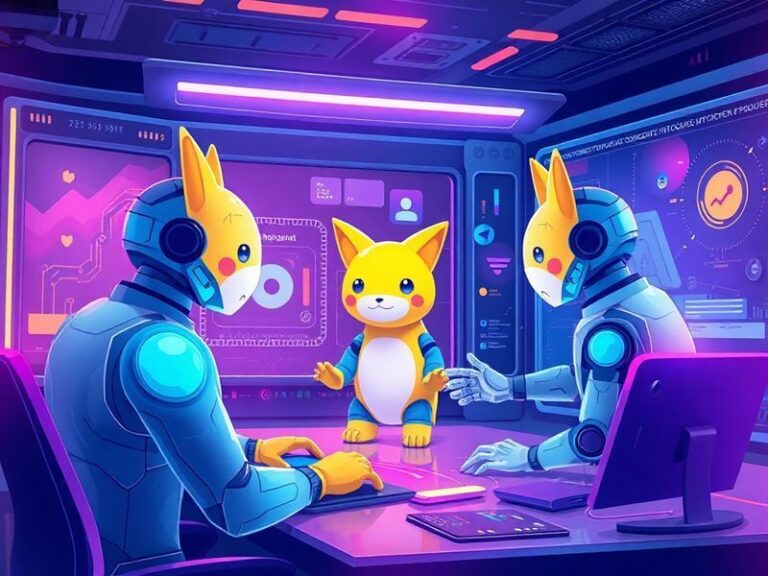
Pika Agents: The End of the Prompt Box
In the rapidly evolving landscape of artificial intelligence, a paradigm shift is occurring with the introduction of Pika Agents. These agents are redefining how we interact with AI, moving beyond traditional prompt boxes to more dynamic conversational interfaces. This article explores the implications of Pika Agents, their practical applications, and the future possibilities they present for technology and innovation.
Understanding Pika Agents
Pika Agents are sophisticated AI systems designed to facilitate natural language conversations with users. Unlike static prompt boxes that require predetermined inputs, Pika Agents offer a more flexible and engaging interaction model. This shift is not just a technological upgrade; it represents a fundamental change in how users experience AI.
Key features of Pika Agents include:
- Contextual Understanding: Pika Agents leverage advanced natural language processing (NLP) to comprehend and respond to user queries in context, making conversations feel more fluid and intuitive.
- Adaptive Learning: These agents can learn from interactions, improving their responses over time based on user behavior and preferences.
- User-Centric Design: Pika Agents are designed with the user experience in mind, aiming to reduce friction in human-computer interactions.
Practical Insights and Applications
The transition to Pika Agents has practical implications across various industries. Here are a few notable applications:
- Customer Support: Businesses can implement Pika Agents to handle inquiries with a more human-like touch, reducing the need for extensive FAQs and improving customer satisfaction.
- Healthcare: In medical settings, Pika Agents can assist patients by providing personalized health advice and information, streamlining administrative processes.
- Education: Educational platforms can utilize Pika Agents to offer personalized tutoring, adapting to the learning pace and style of individual students.
Industry Implications
The rise of Pika Agents has several implications for industries that rely on AI technologies:
- Enhanced Productivity: By automating routine tasks through conversational interfaces, organizations can free up human resources to focus on more complex issues.
- Improved Data Collection: Pika Agents can gather valuable insights from user interactions, helping businesses refine their offerings and strategies based on real-time feedback.
- Increased Accessibility: The conversational nature of Pika Agents makes technology more accessible to a broader audience, including those who may struggle with traditional interfaces.
Challenges and Considerations
While Pika Agents present numerous advantages, they also come with challenges that need to be addressed:
- Data Privacy: As with any AI system, concerns about data privacy and security are paramount. Organizations must ensure that user data is handled responsibly.
- Bias in AI: The algorithms that power Pika Agents can inadvertently perpetuate biases present in training data. Continuous monitoring and adjustment are necessary to mitigate this issue.
- User Trust: Building trust in AI-driven systems is crucial. Users need to feel confident that these agents will provide accurate information and support.
Future Possibilities
The future of Pika Agents is bright and full of potential. As technology continues to advance, several trends are likely to shape their evolution:
- Integration with IoT: Pika Agents could integrate seamlessly with Internet of Things (IoT) devices, allowing users to control their environments through conversational commands.
- Multimodal Interactions: Future Pika Agents may support various input methods, such as voice, text, and even gestures, making interactions more versatile.
- Emotional Intelligence: Advancements in AI may enable Pika Agents to detect and respond to human emotions, creating even more personalized and empathetic interactions.
In conclusion, Pika Agents signify a transformative step in human-AI interaction. By moving beyond the limitations of the prompt box, they open up new avenues for engagement, innovation, and efficiency across multiple sectors. As we look to the future, it is essential for stakeholders to embrace these changes while addressing the challenges that come alongside them, ensuring that the evolution of AI remains beneficial for all.