Real-Time Control of Robots Online: Experience the Future of Robotics
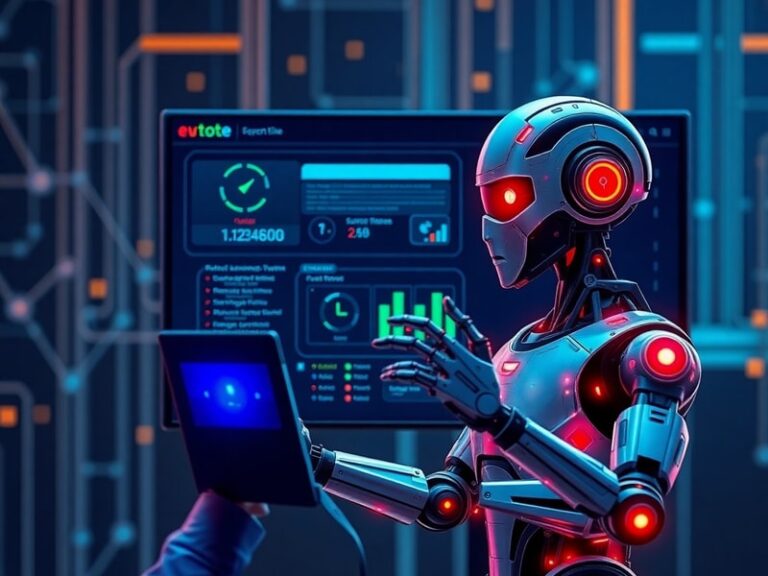
The landscape of robotics is rapidly evolving, driven by advances in artificial intelligence (AI) and connectivity. One of the most exciting developments in this field is the ability to control robots in real-time through web browsers. This innovation not only opens new avenues for robotics but also democratizes access to technology and enhances collaboration across various industries.
Understanding Real-Time Control
Real-time control refers to the capability of operators to manage robotic systems instantaneously, with minimal latency between input and action. This is accomplished through a combination of cloud computing, high-speed internet connections, and sophisticated AI algorithms. The result is a seamless user experience that allows individuals to interact with robots as if they were physically present.
The Technology Behind Real-Time Control
The underlying technology enabling real-time robot control includes:
- Cloud Computing: Centralized processing power allows for the heavy lifting of data and computation, enabling remote control without requiring powerful local hardware.
- WebRTC: This technology facilitates peer-to-peer communication, reducing latency and improving the responsiveness of robotic controls.
- AI Algorithms: Machine learning and computer vision algorithms enhance robots’ ability to understand and interpret their environments, making remote control more intuitive.
Practical Insights into Real-Time Control
The ability to control robots in real-time has numerous practical applications across various sectors:
- Telepresence: Professionals can operate robots remotely for tasks such as surgery, inspection, and surveillance, providing expertise without geographical constraints.
- Manufacturing: Operators can adjust robotic workflows on-the-fly, resulting in increased efficiency and responsiveness to changes in production demands.
- Research and Development: Engineers and scientists can experiment with robotic prototypes in real-time, accelerating the innovation cycle.
Industry Implications
The implications of real-time robotic control are profound and far-reaching:
- Workforce Transformation: As robots become more accessible, the nature of work is expected to shift significantly. Workers may need to adapt to new roles focused on oversight and collaboration with robotic systems.
- Cost Efficiency: Businesses can reduce operational costs by leveraging remote control technologies, minimizing the need for on-site personnel and infrastructure.
- Global Collaboration: Teams can work together across time zones and locations, utilizing robots to carry out shared projects in real-time.
Future Possibilities
Looking ahead, the future of real-time robot control is filled with exciting possibilities:
- Enhanced AI Integration: As AI continues to advance, we can expect robots to become even more autonomous, requiring less human input while still allowing for real-time adjustments.
- Augmented Reality (AR) Interfaces: Combining AR with real-time robot control could provide operators with immersive environments, enhancing their ability to interact with machines.
- Internet of Things (IoT): The integration of IoT devices could facilitate smarter workflows, where robots autonomously respond to sensor data while still being controlled remotely.
Conclusion
The emergence of real-time control of robots through web browsers represents a significant leap forward in the field of robotics. With its potential to transform industries, enhance collaboration, and democratize technology, this innovation is poised to shape the future of work and human-robot interaction. As technology continues to evolve, we can expect to see even more groundbreaking applications and advancements in this exciting field.