Creating Documentary Videos with AI Agents
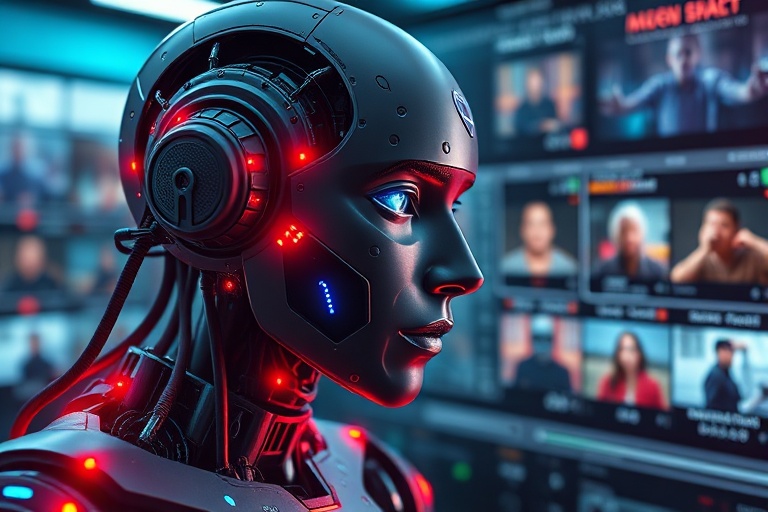
The proliferation of artificial intelligence (AI) technology is revolutionizing many industries, and video production is no exception. Traditional methods of creating documentary videos are often labor-intensive, requiring extensive planning, shooting, and editing. However, advancements in AI are enabling innovative approaches that can automate substantial portions of this process. In this article, we will explore how AI agents are transforming documentary video production, practical insights for leveraging these technologies, industry implications, and future possibilities.
AI in Video Production: An Overview
Video production typically involves several stages, including scripting, filming, and post-production. AI technologies are being integrated into each of these stages, offering tools that enhance creativity and efficiency. Key AI applications in video production include:
- Automated Scripting: Natural Language Processing (NLP) algorithms can generate scripts based on predetermined topics or themes, allowing creators to streamline the initial phase of production.
- Intelligent Editing: Machine learning algorithms can analyze footage and suggest edits, drastically reducing the time spent in post-production.
- Voice Synthesis: AI-generated voiceovers can provide narration without the need for human voice actors, making it easier to produce content in multiple languages.
- Visual Effects: AI can help create stunning visual effects and animations that enhance storytelling without the need for extensive manual labor.
Practical Insights for Content Creators
For content creators interested in harnessing AI for documentary production, there are several practical insights to consider:
- Choose the Right Tools: Utilize AI-powered platforms like OpenAI’s GPT for scripting, Adobe Premiere Pro’s Sensei for intelligent editing, and Descript for automated transcription and editing.
- Emphasize Collaboration: While AI can automate many tasks, the human touch is irreplaceable. Collaborate with AI to enhance your creative vision rather than replace it.
- Test and Iterate: Experiment with different AI tools to find what works best for your workflow. Iteration is key in understanding how AI can best serve your specific needs.
- Stay Updated: The field of AI is evolving rapidly. Keep abreast of the latest tools and technologies to ensure you’re making the most out of your production process.
Industry Implications
The integration of AI into documentary video production carries significant implications for the industry:
- Cost Reduction: Automating various aspects of video production can reduce costs, making it more accessible for independent filmmakers and smaller production houses.
- Democratization of Content Creation: With AI tools available, more people can create high-quality documentaries without extensive training or resources, leading to a broader range of stories being told.
- Shift in Skill Sets: As AI takes over technical tasks, demand may shift towards creative roles that require critical thinking, storytelling, and artistic vision.
Future Possibilities
Looking ahead, the future of AI in documentary video production is filled with exciting possibilities:
- Enhanced Personalization: AI could analyze audience preferences to create tailored documentary experiences, allowing viewers to engage with content that resonates with them on a personal level.
- Real-Time Editing: The potential for AI to edit video in real time during filming could revolutionize live documentary production, enabling instant feedback and adjustment.
- Augmented Reality Integration: Future documentaries may leverage augmented reality (AR) to create immersive experiences, allowing audiences to engage with content in entirely new ways.
- Ethical AI Usage: As AI continues to evolve, ethical considerations surrounding its use in storytelling will become increasingly important. Ensuring accountability and preserving authentic narratives will be crucial.
In conclusion, the use of AI agents in documentary video production is not just a trend; it represents a significant shift in how stories are told. By embracing these technologies, content creators can enhance their workflows, democratize content creation, and unlock new creative possibilities. As we look to the future, it’s clear that AI will play an essential role in shaping the documentary landscape.