Revolutionizing Oral Health with Smart Technology
In recent years, the intersection of technology and healthcare has given rise to innovative solutions aimed at enhancing our daily lives. One of the most exciting developments in this arena is the emergence of AI-powered toothbrushes, which are poised to revolutionize not only oral health but also our understanding of systemic health. These smart devices leverage advanced algorithms, sensors, and connectivity to provide users with a comprehensive dental care experience.
The Evolution of Dental Care
Traditionally, dental care has been a routine task, often relegated to a twice-daily ritual with minimal engagement. However, with the advent of smart technology, we are witnessing a shift toward more proactive and informed oral hygiene practices. AI-powered toothbrushes represent the forefront of this evolution, integrating cutting-edge technology into a fundamental aspect of personal health.
How AI-Powered Toothbrushes Work
At the core of these innovative toothbrushes lies a combination of artificial intelligence and machine learning. Here’s how they function:
- Sensors: Equipped with pressure sensors, motion sensors, and gyroscopes, these toothbrushes can track the user’s brushing habits, including duration, pressure, and coverage.
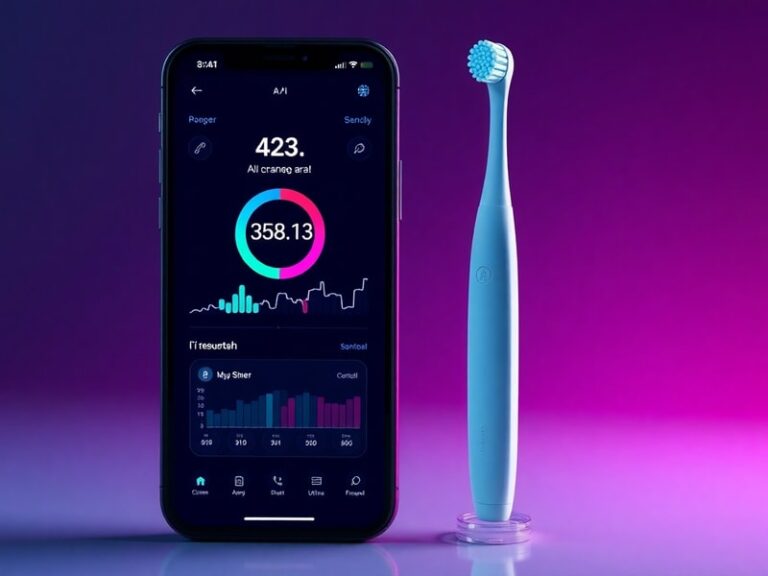
- Real-Time Feedback: As the user brushes, the toothbrush provides immediate feedback through mobile applications, ensuring optimal brushing techniques are employed.
- Data Analytics: The collected data is analyzed and interpreted by AI algorithms, allowing for personalized recommendations and reminders to improve oral hygiene practices.
- Integration with Health Apps: Connectivity features enable these toothbrushes to sync with health monitoring apps, offering insights into not just oral health but also potential systemic health issues.
Benefits of AI-Powered Toothbrushes
The advantages of integrating AI into dental care are numerous:
- Enhanced Oral Hygiene: With tailored feedback and guidance, users are more likely to adopt effective brushing techniques, reducing the risk of cavities and gum disease.
- Preventive Healthcare: By monitoring oral health, these devices can potentially flag early signs of systemic issues such as diabetes or heart disease, prompting users to seek medical advice sooner.
- Increased Engagement: The gamification elements often included in the accompanying apps make brushing a more engaging activity, especially for children.
- Convenience: Users can access their brushing history and receive reminders, making it easier to maintain consistent oral hygiene habits.
Industry Implications
The rise of AI-powered toothbrushes is set to impact several sectors:
- Dental Practices: Dentists can leverage data from these devices to gain insights into their patients’ oral hygiene habits, allowing for more targeted and effective treatment plans.
- Healthcare Technology: The integration of oral health monitoring into broader health management systems could lead to a more holistic approach to patient care.
- Consumer Market: As awareness of oral health’s connection to overall health grows, demand for smart health devices is likely to increase, driving innovation and competition in the market.
Future Possibilities
The future of AI-powered toothbrushes holds tremendous potential. Here are some possibilities that could redefine oral health:
- Advanced AI Algorithms: Future iterations may utilize even more sophisticated AI techniques, providing deeper insights and predictive analytics on individual health trends.
- Integration with Wearable Devices: Seamless integration with smartwatches and fitness trackers could provide users with comprehensive health monitoring, linking oral health data with other vital health metrics.
- Telehealth Services: With real-time data streaming, dentists could remotely monitor patients’ oral health, offering virtual consultations based on the insights gathered from the toothbrush.
- Personalized Oral Care Products: AI could enable customized toothpaste and mouthwash recommendations based on individual oral health profiles derived from brushing data.
Conclusion
The integration of AI in dental care through smart toothbrushes is not merely a technological trend; it represents a paradigm shift in how we approach oral hygiene and overall health. As these innovations continue to evolve, they promise not only to enhance our daily dental care routines but also to foster a deeper understanding of the intricate connections between oral health and systemic well-being. With the potential to transform dental practices and improve patient outcomes, AI-powered toothbrushes are undeniably paving the way for a healthier future.