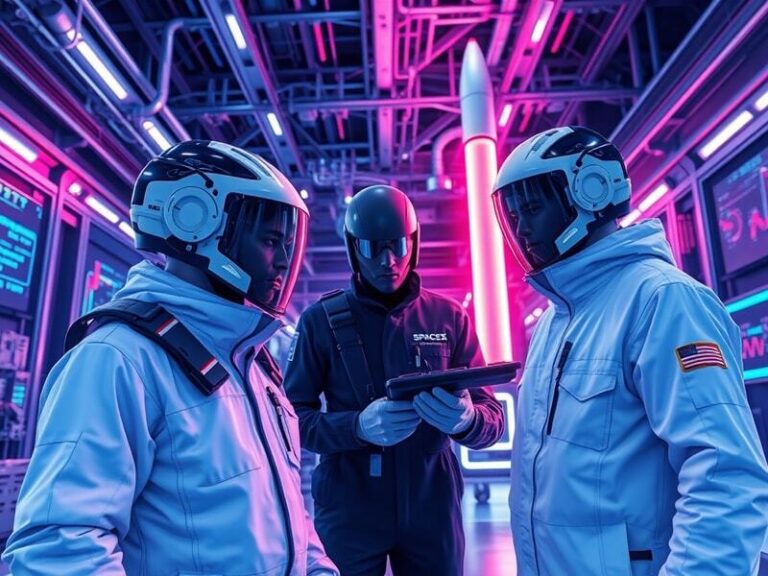
SpaceX Eyes Pentagon AI Contract
As artificial intelligence (AI) continues to reshape industries across the globe, the defense sector is no exception. SpaceX, a company known for its groundbreaking achievements in aerospace technology, is now setting its sights on the Pentagon, aiming to secure lucrative contracts by leveraging its AI computing capabilities. This move not only signifies SpaceX’s expansion beyond space exploration but also highlights a growing trend of private tech companies entering the defense arena.
Understanding SpaceX’s Strategic Positioning
SpaceX’s entry into the defense sector can be attributed to several key factors:
- Technical Expertise: With its experience in developing complex technologies for space missions, SpaceX has honed its skills in high-performance computing and data analysis. This expertise positions the company as a strong contender for AI-driven projects within the Department of Defense (DoD).
- Innovation Culture: SpaceX has built a reputation for innovation, pushing boundaries in rocket technology, satellite deployment, and more. This culture of innovation is appealing to the Pentagon, which is looking to modernize its capabilities.
- Partnerships and Collaborations: The company has already formed partnerships with various agencies and contractors, which can help streamline the process of securing contracts and integrating AI solutions into existing systems.
AI Computing Capabilities for Defense
AI is rapidly becoming a vital component in defense applications, enhancing capabilities in various domains, including surveillance, logistics, and combat operations. SpaceX’s AI offerings could potentially include:
- Data Analysis: Leveraging AI to process and analyze vast amounts of data from drones and satellites, allowing for real-time intelligence and decision-making.
- Autonomous Systems: Developing autonomous drones and vehicles that can operate independently or assist human operators in complex missions.
- Predictive Maintenance: Using AI algorithms to predict equipment failures, thereby reducing downtime and maintenance costs.
Industry Implications of SpaceX’s Move
The implications of SpaceX’s push into the defense sector are significant:
- Increased Competition: As SpaceX enters the market, other tech companies may follow suit, leading to increased competition and innovation in the defense sector.
- Public-Private Partnerships: The collaboration between private tech firms and government agencies could pave the way for more agile and efficient defense solutions.
- Ethical Considerations: The use of AI in military applications raises ethical questions regarding autonomous weapons and decision-making processes, which will need to be addressed.
Future Possibilities
Looking ahead, SpaceX’s focus on AI and defense could lead to several transformative outcomes:
- Enhanced National Security: By incorporating advanced AI technologies, the Pentagon can improve its defense strategies and operational effectiveness.
- Global Leadership in Defense Technology: As it successfully integrates AI into defense operations, SpaceX could position itself as a leader in defense technology on a global scale.
- Innovation in Military Strategy: The adoption of AI could redefine military strategies, emphasizing speed, efficiency, and adaptability in response to emerging threats.
Conclusion
SpaceX’s ambition to secure Pentagon AI contracts is not just a strategic business move; it represents a pivotal moment in the intersection of technology and defense. As the company continues to innovate and expand its capabilities, the implications for national security, industry competition, and ethical considerations in warfare will be profound. The future of defense may very well be shaped by the advancements in AI, and SpaceX is poised to play a critical role in that evolution.