Spotting AI-Generated Text: A Test to Challenge Your Ability to Distinguish Between Human and Machine Writing
As artificial intelligence (AI) continues to evolve, the ability to create human-like text is becoming increasingly sophisticated. This raises a significant question for both professionals and tech enthusiasts: how can we effectively distinguish between text generated by AI and that written by humans? This article delves into the nuances of AI-generated text, providing insights into the technology behind it, practical strategies for detection, and the implications for various industries.
The Rise of AI in Text Generation
AI text generation has witnessed remarkable advancements, particularly with the introduction of models like OpenAI’s GPT series. These models utilize deep learning techniques and vast datasets to produce coherent and contextually relevant text. The implications of this technology are profound:
- Content Creation: AI can generate articles, blogs, and reports, potentially reducing the workload for human writers.
- Customer Support: AI-driven chatbots can provide instant responses, improving user experience.
- Personalization: Marketing strategies can leverage AI-generated content to tailor messages based on user preferences.
Challenges in Detection
As AI-generated text becomes more prevalent, it poses challenges for detection. Here are some of the key difficulties:
- Quality of Output: The more advanced the model, the closer the output resembles human writing, making it harder to identify.
- Contextual Understanding: AI may generate text that appears contextually appropriate but lacks genuine understanding or emotional depth.
- Volume of Content: The sheer volume of content produced by AI makes manual detection impractical.
Practical Insights for Spotting AI-Generated Text
Detecting AI-generated text requires a combination of analytical skills and familiarity with typical AI writing patterns. Here are some practical tips:
- Look for Repetition: AI-generated text may exhibit repetitive phrases or ideas, as the model relies on learned patterns.
- Check for Lack of Depth: If the text lacks a nuanced perspective or deep insights, it might be AI-generated.
- Analyze Structure: AI often produces text with a rigid structure, including predictable introductions and conclusions.
- Beware of Overly Formal Tone: AI tends to favor a formal tone, which can come across as stilted or unnatural in casual contexts.
Industry Implications
The ability to discern between human and AI-generated text has crucial implications across various sectors:
- Education: Educators may face challenges in assessing student work, as AI tools can aid in writing assignments.
- Journalism: The integrity of news reporting could be compromised if AI-generated content is mistaken for credible journalism.
- Marketing: Brands must ensure authenticity in their communications, as AI could dilute brand voice if misused.
Future Possibilities
As we look ahead, several trends are likely to shape the landscape of AI-generated text and detection:
- Enhanced Detection Tools: Developers are working on AI detection tools that can analyze patterns and identify AI-generated content with increasing accuracy.
- Ethical Guidelines: The establishment of ethical standards for AI usage in content generation may help mitigate risks associated with misinformation.
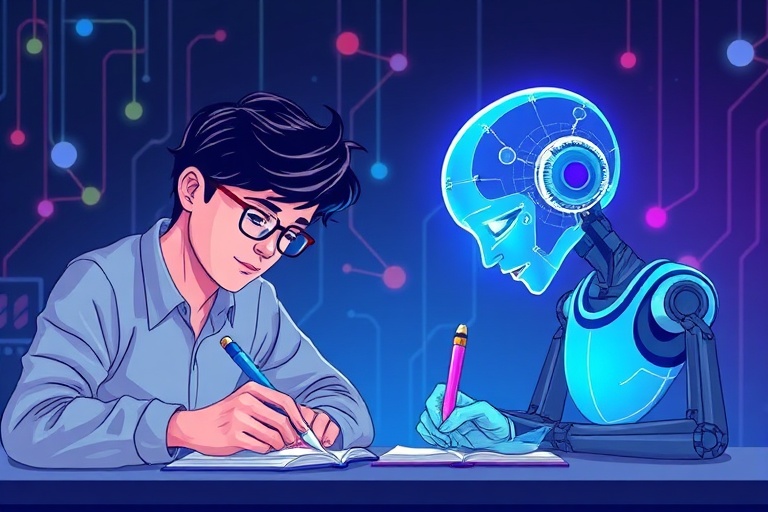
- Collaboration Between Humans and AI: The future may see more collaborative efforts, where human creativity is enhanced by AI, rather than replaced by it.
In conclusion, the ability to spot AI-generated text is not just a technical skill; it’s becoming a critical competency in our increasingly digital world. As AI continues to evolve, so too must our understanding and strategies for navigating its implications across industries.