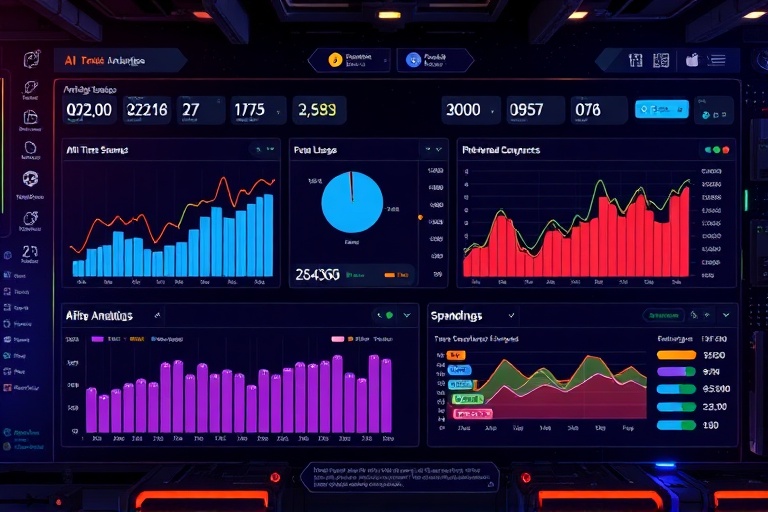
Real-Time AI Usage Monitoring: Introducing a Groundbreaking Runtime to Control AI Spending Effectively
As organizations increasingly integrate artificial intelligence (AI) and machine learning (ML) into their operations, managing the associated costs is becoming a pressing concern. With the exponential growth in AI applications, ensuring that spending aligns with business objectives is crucial. Enter real-time AI usage monitoring—a solution designed to provide organizations with the means to control AI expenditures effectively.
The Need for Real-Time Monitoring
The landscape of AI is rapidly evolving, with companies investing heavily in AI technologies to gain competitive advantages. However, without proper oversight, these investments can spiral out of control. Here are some reasons why real-time monitoring is essential:
- Cost Management: Organizations often face unexpected expenses related to AI workloads, especially when utilizing cloud-based services.
- Resource Allocation: Understanding usage patterns helps in better allocation of resources, ensuring that teams utilize AI tools efficiently.
- Performance Optimization: Real-time insights allow organizations to identify performance bottlenecks and optimize algorithms accordingly.
Key Features of a Real-Time AI Usage Monitoring Runtime
A robust real-time monitoring system provides several functionalities that transform the way organizations manage their AI investments:
- Usage Analytics: This feature tracks real-time usage of AI resources, providing detailed reports on how much time and money is being spent on various AI applications.
- Alerts and Notifications: The system can send alerts when spending exceeds predefined thresholds, allowing for immediate corrective actions.
- Predictive Insights: By leveraging historical usage data, organizations can forecast future expenditures and adjust budgets accordingly.
- Integration Capabilities: Effective monitoring systems can integrate with existing project management and financial tools, ensuring seamless operation across platforms.
Industry Implications
The introduction of real-time AI usage monitoring is poised to have significant implications across various sectors:
- Healthcare: In an industry where AI is being used for diagnostics and patient management, monitoring usage can help control costs while improving service delivery.
- Finance: Financial institutions are increasingly utilizing AI for fraud detection and risk assessment. Real-time monitoring ensures that these systems remain efficient and cost-effective.
- Retail: For retailers leveraging AI in inventory management and customer service, understanding AI spending can enhance profitability and operational efficiency.
Future Possibilities
The future of real-time AI usage monitoring holds exciting potential. As technology progresses, we can expect several advancements:
- Advanced Machine Learning Algorithms: Future monitoring systems will likely employ more sophisticated ML algorithms to enhance predictive capabilities and provide deeper insights into usage patterns.
- Automated Optimization: With AI-driven automation, organizations may soon have systems that not only monitor usage but also automatically adjust resources in real-time to optimize spending.
- Enhanced Security Features: With the rise in AI usage, security concerns are paramount. Future monitoring systems will likely integrate advanced security measures to protect sensitive data.
- Cross-Industry Standards: As real-time monitoring becomes more prevalent, we may see the establishment of industry standards, ensuring consistency and interoperability across different platforms.
Conclusion
As businesses continue to embrace AI technologies, the demand for effective financial oversight will only increase. Real-time AI usage monitoring is not just a tool for controlling costs; it’s a strategic asset that empowers organizations to make informed decisions about their AI investments. By leveraging this groundbreaking runtime, businesses can navigate the complexities of AI spending, ensuring that their investments yield optimal returns.