Staying Irreplaceable in the Age of AI
As artificial intelligence (AI) continues to evolve and permeate various sectors, the question of job security and human relevance becomes increasingly pertinent. With machines becoming capable of performing tasks that were once the exclusive domain of humans, professionals face the challenge of remaining indispensable. This article explores several strategies to maintain your unique human skills amid the rapid advancement of AI technology.
Understand the Strengths of Human Intelligence
The first step in ensuring your irreplaceability in the workforce is to acknowledge and understand the strengths unique to human intelligence. While AI excels in processing vast amounts of data and performing repetitive tasks, it still lacks in areas such as:
- Emotional Intelligence: Humans can empathize, understand nuanced emotions, and build relationships—qualities that AI cannot replicate.
- Creativity: The ability to think outside the box and produce original ideas is a human trait that remains challenging for AI.
- Ethical Decision-Making: Humans can navigate complex moral dilemmas that require a deep understanding of values and societal norms.
By honing these strengths, individuals can position themselves as irreplaceable assets in their professions.
Continuous Learning and Adaptation
In an age where technology evolves at breakneck speed, continuous learning is essential. Professionals must adopt a mindset of lifelong learning to stay relevant. Here are some strategies to enhance your skills:
- Embrace Online Learning: Platforms such as Coursera, Udemy, and edX offer courses on AI, data science, and other emerging technologies.
- Attend Workshops and Conferences: Networking with peers and industry leaders can provide insights into the latest trends and technologies.
- Participate in Professional Development: Seek certifications and training programs related to your field to enhance your expertise.
By committing to continual education, professionals can ensure they remain knowledgeable and competitive.
Fostering Collaboration with AI
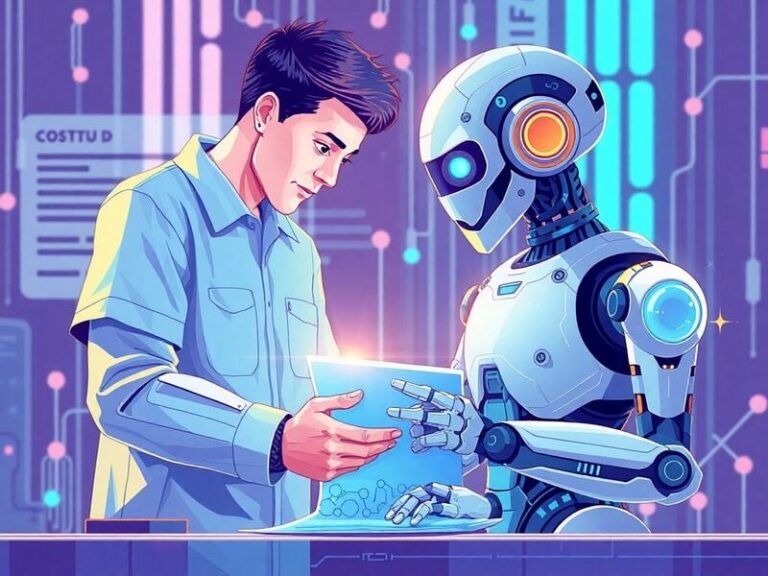
Rather than viewing AI as a competitor, consider how to collaborate with it. Many industries are increasingly adopting a hybrid model where humans and AI work together. Here’s how to foster collaboration:
- Utilize AI Tools: Familiarize yourself with AI tools that can enhance your productivity and decision-making.
- Identify Complementary Roles: Focus on tasks that require human oversight and creativity, allowing AI to handle repetitive and mundane activities.
- Engage in Interdisciplinary Projects: Collaborate with professionals from different fields to explore innovative applications of AI in your industry.
By identifying and leveraging the strengths of AI, professionals can augment their capabilities and create value in their roles.
Emphasizing Human-Centric Skills
As AI continues to infiltrate various job sectors, there is a growing need for skills that are inherently human. Focus on developing the following human-centric skills:
- Critical Thinking: The ability to analyze information critically and make informed decisions is invaluable, especially in fast-paced environments.
- Adaptability: The willingness to adjust to new situations and challenges can set you apart in a rapidly changing workforce.
- Interpersonal Skills: Strong communication and teamwork abilities can enhance collaboration and improve workplace dynamics.
These skills not only complement AI capabilities but also play a crucial role in effective leadership and management.
Exploring Future Possibilities
As we move forward, the integration of AI into the workforce will continue to evolve. Here are some future possibilities to consider:
- New Job Creation: While AI may automate certain tasks, it will also create new jobs that require human skills, such as AI ethics compliance officers or data curators.
- Enhanced Human-AI Interaction: Future technologies may enable more intuitive interactions between humans and AI, increasing productivity and efficiency.
- Emphasis on Human Oversight: As AI systems become more prevalent, the need for human oversight to ensure ethical and responsible use will grow.
By anticipating these changes, professionals can strategically position themselves to take advantage of new opportunities that arise.
Conclusion
In the age of AI, staying irreplaceable requires a proactive approach to personal and professional development. By understanding the unique strengths of human intelligence, committing to continuous learning, fostering collaboration with AI, emphasizing human-centric skills, and exploring future possibilities, individuals can ensure they remain valuable contributors in an ever-evolving technological landscape. The key lies not in resisting change but in embracing it and leveraging our unique human capabilities to thrive alongside AI.