Transforming Sources into Explainer Videos with AI
In an increasingly digital world, the demand for concise and informative content has surged. Explainer videos, which succinctly convey complex information, have become essential tools for businesses, educators, and content creators alike. However, producing high-quality explainer videos can be time-consuming and resource-intensive. This is where artificial intelligence (AI) steps in, revolutionizing the way we create visual content.
The Role of AI in Video Creation
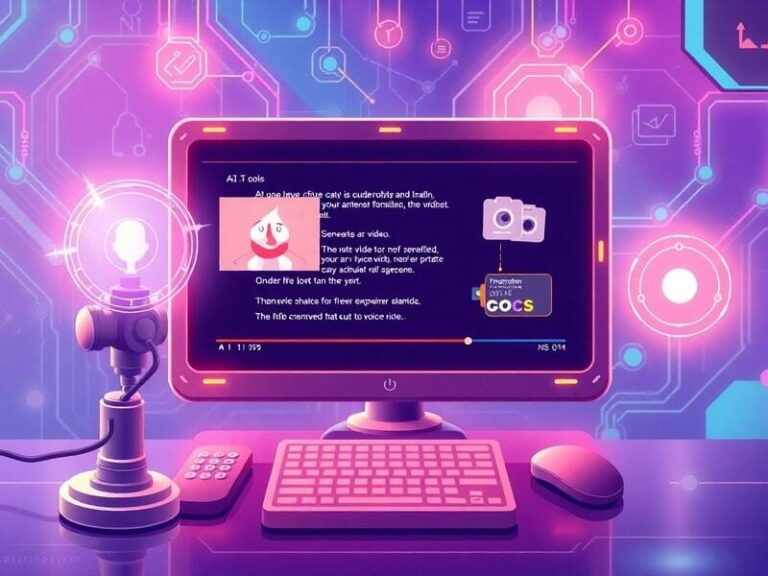
AI tools have simplified the process of creating explainer videos by automating various stages of production. From scriptwriting to animation, these technologies can significantly reduce the time and effort required to produce engaging visual content. Here are some key ways AI is transforming video creation:
- Script Generation: AI algorithms can analyze text-based sources and generate scripts that summarize the key points in an engaging manner.
- Voiceover and Narration: Text-to-speech (TTS) technologies can produce natural-sounding voiceovers, eliminating the need for voice actors and allowing for quick edits.
- Visual Content Creation: AI-driven tools can generate animations and visuals that align with the script, helping to create a cohesive narrative.
- Editing and Post-Production: Automated editing tools can streamline the post-production phase by suggesting cuts, transitions, and effects based on the content.
Industry Implications
The integration of AI in video production carries significant implications across various industries:
- Education: Educators can create explainer videos quickly to assist with complex topics, enhancing learning experiences for students.
- Marketing: Businesses can produce promotional videos at a fraction of the cost and time, allowing for more agile marketing strategies.
- Healthcare: Medical professionals can develop explainer videos to educate patients about procedures and treatments, improving communication and understanding.
- Corporate Training: Companies can implement AI-driven explainer videos in training programs, ensuring consistent information delivery and engagement.
Practical Insights for Implementation
For professionals looking to leverage AI tools for explainer video creation, consider the following strategies:
- Identify Your Core Message: Before diving into video production, clarify the main points you want to convey. This will guide the scriptwriting process.
- Choose the Right Tools: Various AI platforms offer different functionalities. Research tools like Synthesia for video creation and Pictory for automated editing to find the best fit for your needs.
- Iterate and Improve: Use feedback to refine your videos. AI tools can help you quickly update content based on viewer engagement and reactions.
- Maintain Human Oversight: While AI can facilitate many processes, human creativity and judgment remain crucial in ensuring the quality and accuracy of the content.
Future Possibilities
The future of AI in explainer video creation is promising and full of potential innovations:
- Advanced Personalization: AI could analyze viewer data to create personalized video content tailored to individual preferences and interests.
- Real-Time Content Generation: Imagine a scenario where AI creates videos on-the-fly during live events, summarizing discussions and providing insights immediately.
- Integration with Augmented Reality (AR): Combining AI video creation with AR could lead to immersive explainer experiences, captivating audiences more than ever before.
- Broader Language Support: Enhanced multilingual capabilities will allow businesses to reach global audiences by automatically generating translated scripts and voiceovers.
As AI continues to evolve, it is likely to further streamline the video production process, enabling creators to focus more on storytelling and less on technical hurdles. The democratization of video creation through AI tools means that anyone, regardless of their technical expertise, can produce impactful explainer videos.
Conclusion
Transforming sources into explainer videos with AI not only simplifies the creation process but also enhances the way we communicate information. As these technologies advance, their role in various industries will expand, making explainer videos an even more vital component of our digital landscape. Embracing these AI tools today will prepare professionals for a future where visual content is not just an asset but a necessity.