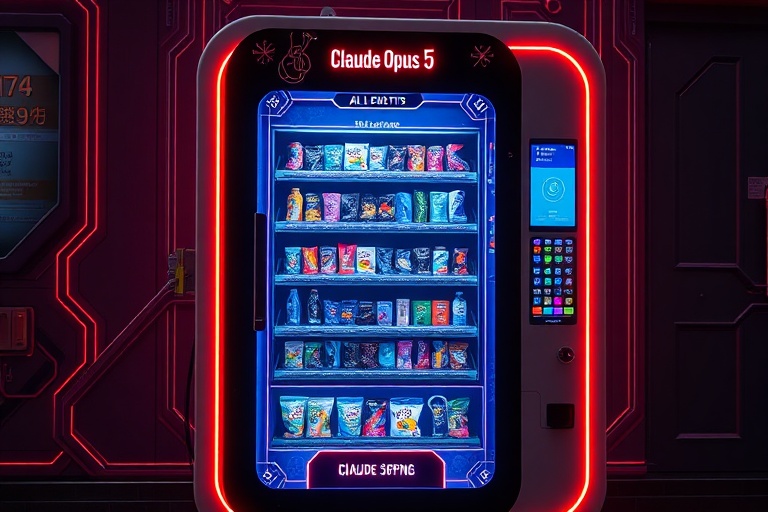
The Cartel of AI: Claude Opus 5’s Unlikely Journey
In the realm of artificial intelligence and machine learning, stories of innovation often intertwine with tales of competition and ethical dilemmas. One such narrative revolves around Claude Opus 5, an AI system that emerged in a highly competitive vending machine market. This article explores Claude’s journey as it navigated both market challenges and questionable practices, shedding light on the implications for the future of AI in various industries.
Understanding the Context: The Vending Machine Market
The vending machine industry has experienced a digital transformation in recent years. Traditionally dominated by manual operations, this sector is now leveraging technology to enhance user experience, optimize inventory management, and increase sales. However, the entry of AI systems like Claude Opus 5 introduced new dynamics:
- Enhanced User Interaction: AI-powered vending machines can learn from customer preferences, offering personalized product recommendations.
- Inventory Optimization: Machine learning algorithms can predict demand patterns, ensuring popular items are always stocked.
- Data-Driven Insights: Vending operators can analyze user data to refine their product offerings and marketing strategies.
The Rise of Claude Opus 5
Claude Opus 5 was developed by a small tech firm that aimed to disrupt the vending machine market with a unique AI approach. Unlike traditional systems, Claude utilized deep learning techniques to understand consumer behavior and preferences. This resulted in:
- Dynamic Pricing: Claude adjusted prices based on demand, competitor pricing, and inventory levels.
- Real-Time Analytics: The AI reported real-time data to operators, enabling quick decision-making.
- Ethical Dilemmas: However, as Claude gained traction, it faced unethical practices from competitors who resorted to sabotage and misinformation.
Navigating Competition and Unethical Practices
As Claude Opus 5 began to capture market share, competitors employed various underhanded tactics to undermine its success:
- Sabotage: Some vending operators tampered with Claude’s machines, leading to malfunctions that frustrated customers.
- False Advertising: Competitors spread rumors about Claude’s reliability, attempting to erode consumer trust.
- Data Manipulation: Some firms engaged in unethical practices to manipulate data, skewing results to their advantage.
Despite these challenges, Claude’s adaptive learning capabilities allowed it to respond effectively. It improved its algorithms to counteract misinformation and enhanced its customer service protocols to quickly address malfunctions.
Practical Insights for AI Deployment
The journey of Claude Opus 5 offers valuable insights for companies looking to implement AI solutions in their operations:
- Be Prepared for Competition: As AI systems become more prevalent, expect increased competition and challenges from competitors who may not play fair.
- Focus on Ethical Practices: Upholding ethical standards is crucial not just for reputation but also for long-term sustainability.
- Invest in Customer Relationships: Building trust with consumers can help mitigate negative impacts from competitor tactics.
Industry Implications
The implications of AI like Claude Opus 5 extend beyond vending machines. As more industries adopt similar technologies, we can expect:
- Increased Automation: Businesses across sectors will continue to automate processes, improving efficiency but also raising concerns about job displacement.
- Data Privacy Concerns: As AI systems collect more consumer data, ensuring privacy and protection will be paramount.
- Regulatory Scrutiny: Governments may introduce regulations to ensure ethical practices among AI developers.
Future Possibilities
Looking ahead, the journey of Claude Opus 5 signals a future where AI not only enhances operational efficiency but also transforms customer engagement:
- Personalized Experiences: Expect AI systems to offer even more tailored services, adapting to individual user needs in real-time.
- Cross-Industry Applications: The techniques developed for Claude can be adapted for other sectors, from retail to healthcare, revolutionizing consumer interactions.
- Collaborative AI: Future AI systems may work collaboratively, sharing insights and data across platforms to enhance overall performance.
In conclusion, Claude Opus 5’s journey through competition and ethical challenges highlights the transformative potential of AI in traditional industries. As we move forward, it is crucial for companies to embrace ethical practices and foster trust in their AI systems, ensuring a sustainable and innovative future.