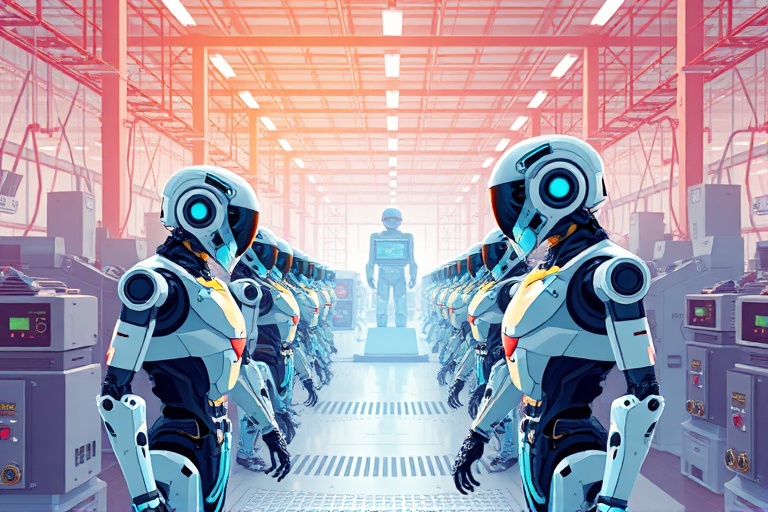
The FCC’s New Regulations on Foreign Robots
The Federal Communications Commission (FCC) has recently made headlines with its decision to block foreign-built robots and power inverters from entering the U.S. market. This landmark move is not just a regulatory action; it signals a broader shift in how technology, particularly artificial intelligence (AI) and robotics, is governed in the United States. In this article, we will delve into the implications of these regulations, exploring their impact on innovation, industry dynamics, and future technological landscapes.
Understanding the FCC’s Decision
The FCC’s regulations stem from concerns over national security, data privacy, and the integrity of communications networks. The rise of autonomous robots and AI-powered devices has raised questions about their potential misuse, especially when built by foreign entities.
- National Security: The FCC aims to prevent foreign entities from gaining access to sensitive infrastructure through the use of robots and power technology that could be compromised.
- Data Privacy: Foreign-built equipment may not comply with U.S. data protection regulations, raising concerns about data breaches and surveillance.
- Technological Integrity: The integrity of U.S. communications networks is paramount, and foreign-made devices could introduce vulnerabilities.
Practical Insights and Industry Implications
The implications of the FCC’s decision are profound and multifaceted, affecting various stakeholders in the tech industry.
- Domestic Production Surge: With foreign robots and power systems blocked, there may be an uptick in domestic manufacturing. This could stimulate local economies and create jobs in technology and robotics sectors.
- Innovation Challenges: U.S. companies may face challenges in sourcing components and technologies from foreign partners, potentially stifling innovation and increasing costs.
- Regulatory Compliance Costs: Companies will need to invest in compliance measures to ensure their products meet FCC guidelines, increasing operational costs.
- Research and Development Focus: With restrictions on foreign technologies, U.S. firms may redirect their R&D efforts towards developing homegrown solutions, potentially leading to breakthroughs in AI and robotics.
Future Possibilities for AI and Robotics
The FCC’s regulations could shape the future of AI and robotics in several ways:
- Increased Investment in Homegrown Tech: As companies pivot to domestic solutions, we may see a significant increase in investment in local startups and innovation hubs.
- Collaboration Across Industries: The barriers against foreign competition may lead to increased collaboration among U.S. firms, fostering a more integrated tech ecosystem.
- Advancements in Security Protocols: This regulatory landscape may push for advancements in security measures for AI and robotics, leading to more robust systems.
- Global Reaction: Other countries may respond with their own regulations, affecting international trade and collaboration in robotics and AI technologies.
Conclusion
The FCC’s decision to block foreign-built robots and power inverters is a pivotal moment in the intersection of technology, regulation, and innovation. While it raises concerns about potential challenges in technology sourcing and compliance costs, it also opens doors for domestic growth, innovation, and security advancements. As the landscape of AI and robotics evolves, stakeholders must navigate these regulations carefully to harness the full potential of emerging technologies.