The Evolution of AI Tools: From Video Creation to Transcription
Artificial intelligence (AI) has undergone a remarkable evolution over the past few years, fundamentally transforming the landscape of content creation and communication. From generating videos to transcribing audio, the latest AI tools are reshaping how we produce and consume information. This article surveys the most innovative tools available today, their implications for various industries, and future possibilities that lie ahead.
AI Tools in Video Creation
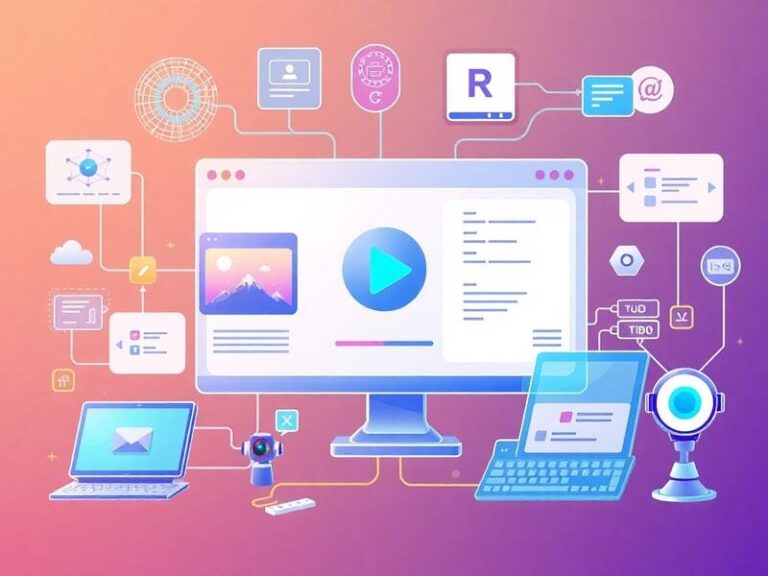
Video content has become a dominant form of communication, and AI tools are streamlining the video creation process significantly. Technologies like deep learning and computer vision have made it possible to automate various aspects of video production.
- Automated Video Editing: AI tools can analyze video footage and automatically select the best clips, apply transitions, and even suggest music tracks that fit the mood.
- Content Generation: Platforms like Pictory and Lumen5 allow users to create videos from text content, making it easier for marketers and content creators to repurpose written material into engaging visual formats.
- Deepfake Technology: While controversial, deepfake technology can create hyper-realistic video content, which has implications for entertainment, advertising, and even education.
These advancements not only enhance creativity but also significantly reduce the time and costs associated with traditional video production.
AI in Transcription and Text Generation
Another area where AI is making waves is in transcription and text generation. Tools powered by natural language processing (NLP) are revolutionizing how we convert spoken words into written text.
- Speech-to-Text Software: Solutions like Otter.ai and Rev.ai utilize AI to transcribe audio recordings with high accuracy, enabling professionals in legal, medical, and educational fields to save time and improve productivity.
- Real-Time Transcription: AI tools now offer real-time transcription services, allowing live meetings and events to be automatically transcribed, making communication more accessible.
- Text Generation: Advanced models like GPT-4 can generate coherent and contextually relevant text, aiding in content creation, summarization, and even creative writing.
These tools not only streamline workflows but also enhance accessibility, allowing individuals with hearing impairments to engage more fully with content.
Industry Implications
The implications of these AI advancements are profound across various industries:
- Marketing: Marketers are leveraging AI-generated videos and personalized content to engage audiences more effectively, resulting in higher conversion rates.
- Education: Transcription tools are facilitating better learning experiences by providing students with accurate transcripts of lectures and discussions.
- Healthcare: AI transcription can minimize documentation errors in medical settings, leading to improved patient care and more efficient workflows.
As AI continues to evolve, businesses that adopt these technologies will likely stay ahead of the curve, creating more personalized and efficient ways to interact with customers and clients.
Future Possibilities
The future of AI tools in content creation and communication holds exciting possibilities:
- Enhanced Creativity: As AI tools become even more sophisticated, they will likely assist creators in generating entirely new forms of content, pushing the boundaries of creativity.
- Personalization: AI will enable hyper-personalized experiences, tailoring content to individual preferences and behaviors, thereby increasing engagement.
- Collaboration with AI: Rather than replacing human creativity, AI will serve as a collaborative partner, helping creators refine their work and explore new ideas.
- Ethical Considerations: As AI technologies continue to advance, ethical considerations around privacy, consent, and misinformation will become increasingly critical.
The trajectory of AI tools suggests a future where content creation and communication are more integrated, efficient, and accessible. As these technologies mature, we can expect to see an even greater impact on various facets of our lives.
In conclusion, the evolution of AI tools from video creation to transcription represents a significant shift in how we produce and communicate content. By harnessing the power of AI, businesses and individuals can improve efficiency, boost creativity, and enhance communication. The journey of AI in content creation is just beginning, and the possibilities are limitless.