Human Skills in the Age of AI: What Remains Relevant?
As artificial intelligence (AI) continues to advance at a breakneck pace, the landscape of work and personal interaction is undergoing profound changes. While AI excels in processing data and automating routine tasks, the unique human skills that drive innovation, creativity, and emotional intelligence remain essential. In this article, we will explore the skills that will continue to be valued in the age of AI, their implications for industries, and the future possibilities that lie ahead.
Essential Human Skills in the AI Era
Despite the impressive capabilities of AI, certain human skills are irreplaceable. Here are some of the key skills that will remain relevant:
- Emotional Intelligence: The ability to understand and manage one’s own emotions, as well as empathize with others, is vital in fostering teamwork and collaboration.
- Creativity: AI can generate content based on existing patterns, but true creativity—such as inventing new ideas or approaches—remains a distinctly human trait.
- Critical Thinking: The capacity to analyze situations, make informed decisions, and solve complex problems is crucial, especially in scenarios where AI outputs need human oversight.
- Adaptability: As industries evolve with technology, the ability to learn new skills quickly and adapt to changing environments is paramount.
- Interpersonal Skills: Building relationships and effective communication are essential for collaboration and leadership in diverse teams.
Practical Insights for Professionals
As AI systems increasingly integrate into the workplace, professionals must strategically enhance their human skills. Here are practical insights for nurturing these skills:
- Invest in Emotional Intelligence Training: Workshops and courses focused on emotional intelligence can help individuals better understand themselves and improve their interactions with colleagues.
- Encourage Creative Problem-Solving: Organizations should create environments that foster brainstorming and encourage innovative thinking through collaborative projects.
- Practice Critical Thinking: Engage in activities that require analysis and evaluation, such as debates or case studies, to enhance critical thinking skills.
- Continuous Learning: Stay updated on industry trends and technologies through online courses, webinars, and professional development programs to maintain adaptability.
- Enhance Communication Skills: Participate in public speaking or writing courses to improve clarity and effectiveness in communication.
Industry Implications
The implications of valuing human skills in the age of AI are significant for various industries:
- Healthcare: Emotional intelligence is crucial for professionals in healthcare as they deal with patients. Empathy can improve patient outcomes and enhance the quality of care.
- Education: Teachers must leverage interpersonal skills and creativity to engage students effectively and foster a supportive learning environment.
- Technology: In tech industries, critical thinking and adaptability are essential for navigating the rapid changes brought by AI advancements.
- Customer Service: While AI can handle basic inquiries, human representatives with strong emotional intelligence can better address complex customer needs and grievances.
Future Possibilities
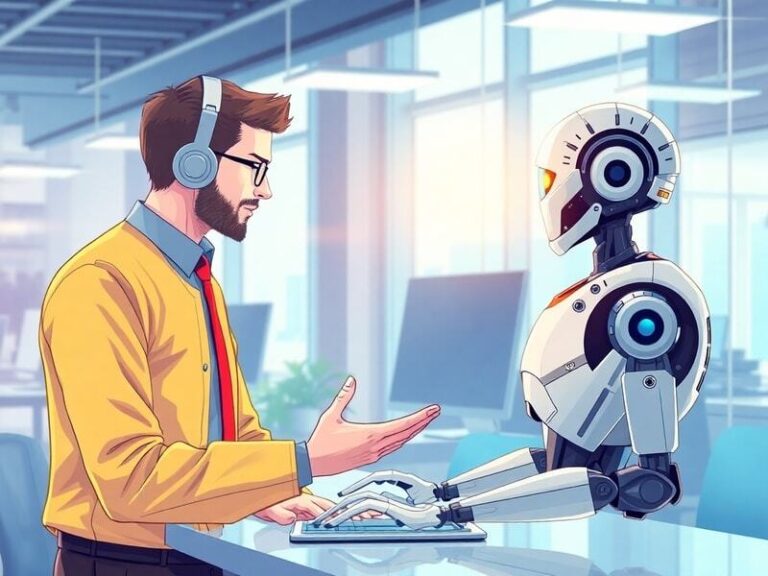
As we look ahead, the collaboration between AI and human skills offers exciting possibilities:
- Augmented Decision-Making: AI can assist professionals by providing data-driven insights, enabling them to make better-informed decisions based on a combination of human intuition and AI analysis.
- Enhanced Creativity: AI tools can serve as collaborators in creative processes, helping artists, designers, and writers explore new ideas and refine their work.
- Personalized Learning: In education, AI can tailor learning experiences based on individual student needs, while educators focus on fostering interpersonal skills and emotional growth.
- Workplace Diversity: As industries prioritize human skills, there will be a greater emphasis on diverse teams that bring together different perspectives, fostering innovation and creativity.
In conclusion, while AI continues to transform the workplace, the value of human skills remains undeniable. By nurturing emotional intelligence, creativity, critical thinking, adaptability, and interpersonal skills, professionals can not only thrive in an AI-driven world but also contribute to a more innovative and collaborative future. The synergy between AI and human capabilities will define the next era of work, where technology enhances rather than replaces the human experience.